

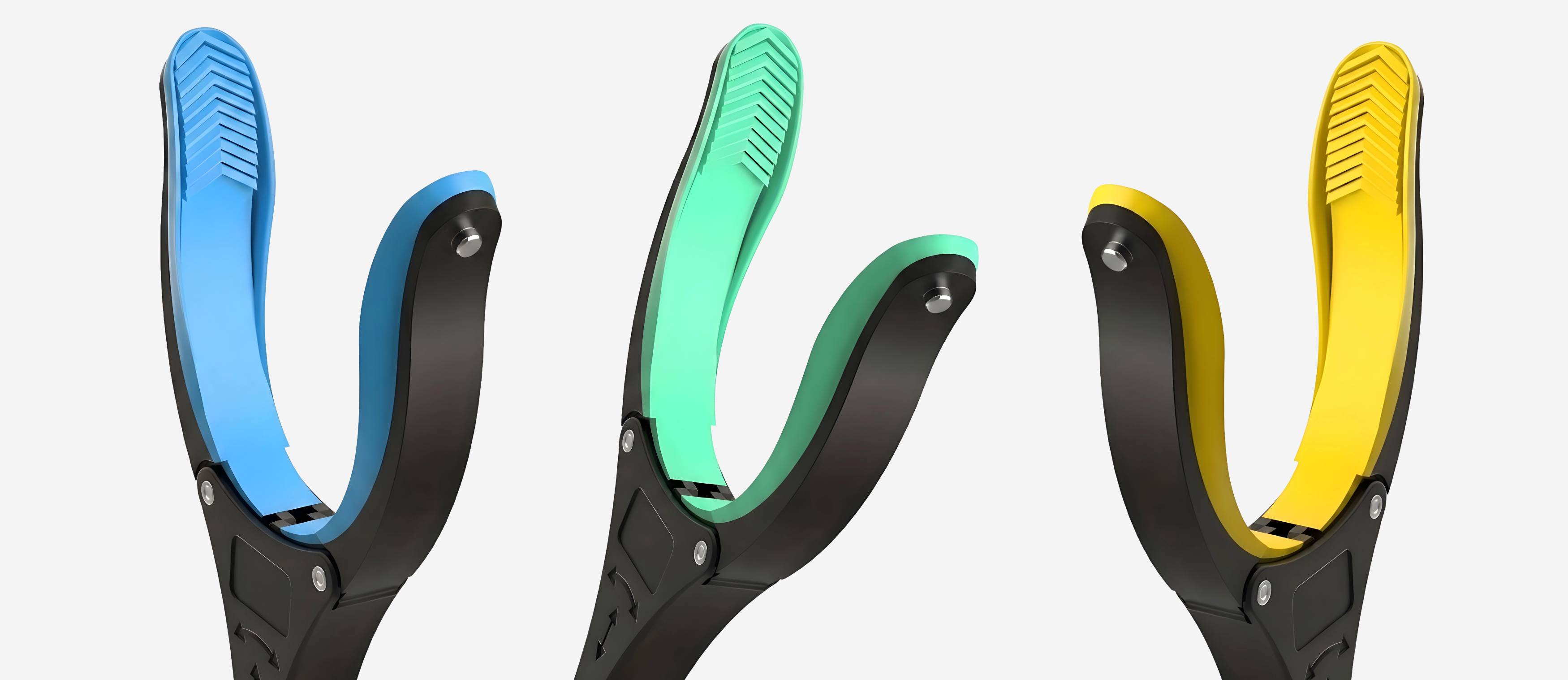
Wheelchair users -- whether from spinal cord injury, spina bifida, multiple sclerosis, muscular dystrophy, amputation, stroke, or many other conditions -- face specific kitchen accessibility challenges because standard kitchens are designed for standing users. Kitchen accessibility for wheelchair users involves both the physical kitchen environment (which may or may not be modified for accessibility) and adaptive tools and strategies to work within the environment. The key kitchen accessibility factors for wheelchair users are: reach zones (the reachable area from a seated wheelchair position is limited -- forward reach and side reach have defined comfortable and maximum ranges, and items outside these zones -- high shelves, the back of counters, and low areas -- are difficult to reach), counter and work surface height and clearance (standard counters may be too high, and forward approach to counters and sinks requires knee clearance underneath -- open space under the counter for the wheelchair to roll under, which standard cabinetry does not provide), appliance accessibility (appliance controls, oven and microwave placement, and cooktop access from a seated position -- front controls are safer and more accessible than rear controls, and side-opening ovens and drawer microwaves are more accessible), and kitchen navigation (adequate space to maneuver the wheelchair, and clear pathways). This guide covers kitchen accessibility for wheelchair users, combining adaptive tools (which help work within any kitchen) with accessibility principles (for modified or new kitchens). The reacher is particularly valuable for extending the limited seated reach to items beyond the wheelchair reach zones.
Direct answer: Wheelchair kitchen accessibility combines adaptive tools (reachers to extend limited seated reach, and tools for the specific hand function) with accessibility principles (counter clearance for forward approach, items within reach zones, and accessible appliances). The GrabbersTool 32-inch Reacher is essential for wheelchair users to extend their limited seated reach to items beyond the wheelchair reach zones -- high shelves, the back of counters, and distant items.
Wheelchair Kitchen Accessibility Guide
| Accessibility Factor | Wheelchair Challenge | Solution |
|---|---|---|
| Reach zones and extending reach | The reachable area from a seated wheelchair position is limited -- forward reach and side reach have comfortable ranges (roughly within arm reach from the seated position) and maximum ranges, and items outside these zones are difficult or impossible to reach: high kitchen cabinets and shelves (above the seated reach), the back of deep counters (beyond forward reach), and low areas (below the comfortable reach); much of a standard kitchen storage is outside the wheelchair reach zones; the limited seated reach is a fundamental wheelchair kitchen challenge; items must be within the reach zones or reached with a tool | Reacher grabber (GrabbersTool 32-inch) to extend the wheelchair user reach to items beyond the seated reach zones -- high shelves, the back of counters, and distant items (essential for wheelchair kitchen reach); kitchen organization to place frequently used items within the wheelchair reach zones (the accessible seated-reach area); lazy Susan turntables and pull-out shelves to bring items within reach; the reacher extends the limited seated reach; keep everyday items in the accessible zones and use the reacher for occasional access to items beyond |
| Counter clearance, height, and work surfaces | Standard kitchen counters may be too high for comfortable seated work, and forward approach to counters and sinks requires knee clearance underneath (open space under the counter for the wheelchair to roll under and approach closely) -- standard base cabinetry fills this space, preventing close forward approach (the user must work from the side, reducing reach and function); the counter height and lack of knee clearance affect the ability to work at counters and sinks; a work surface at an accessible height with knee clearance greatly improves seated kitchen function; in unmodified kitchens, working from the side or using a wheelchair-height table are adaptations | In modified or accessible kitchens: work surfaces at an accessible seated height with knee clearance underneath (open space for forward wheelchair approach -- allowing close, functional work at counters and sinks); a wheelchair-accessible sink (shallow, with insulated pipes and knee clearance); in unmodified kitchens: use a wheelchair-height table or a pull-out board as an accessible work surface; approach counters from the side where forward approach is not possible; a lap tray for some tasks; the accessible work surface with knee clearance is a key wheelchair kitchen feature |
| Appliance accessibility and kitchen navigation | Appliance accessibility from a seated position is a challenge -- cooktop controls at the rear require reaching over hot burners (unsafe from a seated position), ovens with doors that open downward and are at standard height are difficult to access safely from a wheelchair (reaching over the open hot door), microwaves mounted above the counter or over the range are out of reach, and refrigerator and freezer access varies; kitchen navigation requires adequate space to maneuver the wheelchair and clear pathways; the appliance accessibility and navigation affect wheelchair kitchen function | Accessible appliances (cooktops with front or side controls -- avoiding reaching over burners; side-opening or wall ovens at an accessible height; drawer or counter-height microwaves within reach; side-by-side or accessible refrigerators); front-control appliances are safer and more accessible; in unmodified kitchens, adaptive strategies and caution with less accessible appliances (the reacher for microwave and appliance access within safe limits); adequate kitchen navigation space and clear pathways for the wheelchair; occupational therapy for wheelchair kitchen assessment and setup; the accessible appliances and navigation support wheelchair kitchen function; adaptive tools for the user specific hand function (electric jar opener and others as needed) |
See the 32-inch Reacher for wheelchair kitchen reach extension, essential for accessing items beyond the seated reach zones.


