

Wrist fractures are the most common fractures in adults under 75, with distal radius fractures (Colles fracture -- dorsal displacement; Smith fracture -- volar displacement) being the most frequent fragility fracture in women before menopause and the most common fracture in active younger adults who fall on an outstretched hand (FOOSH). Scaphoid fractures are the most common carpal bone fracture, affecting young adults, often with delayed diagnosis (initial radiographs may be negative). Treatment of wrist fractures ranges from cast immobilization (6-8 weeks for distal radius; 8-12 weeks for scaphoid; longer for scaphoid non-union) to surgical open reduction internal fixation (ORIF with plate/screws for displaced distal radius) with subsequent therapy. During cast or splint immobilization, the wrist is completely immobilized, preventing all wrist movement and effectively eliminating hand function for bilateral tasks (since the immobilized hand cannot stabilize while the other rotates). Kitchen function during wrist immobilization is dramatically reduced: jar opening (impossible with one hand in a cast), can opening, and all bilateral kitchen tasks are single-handed or impossible.
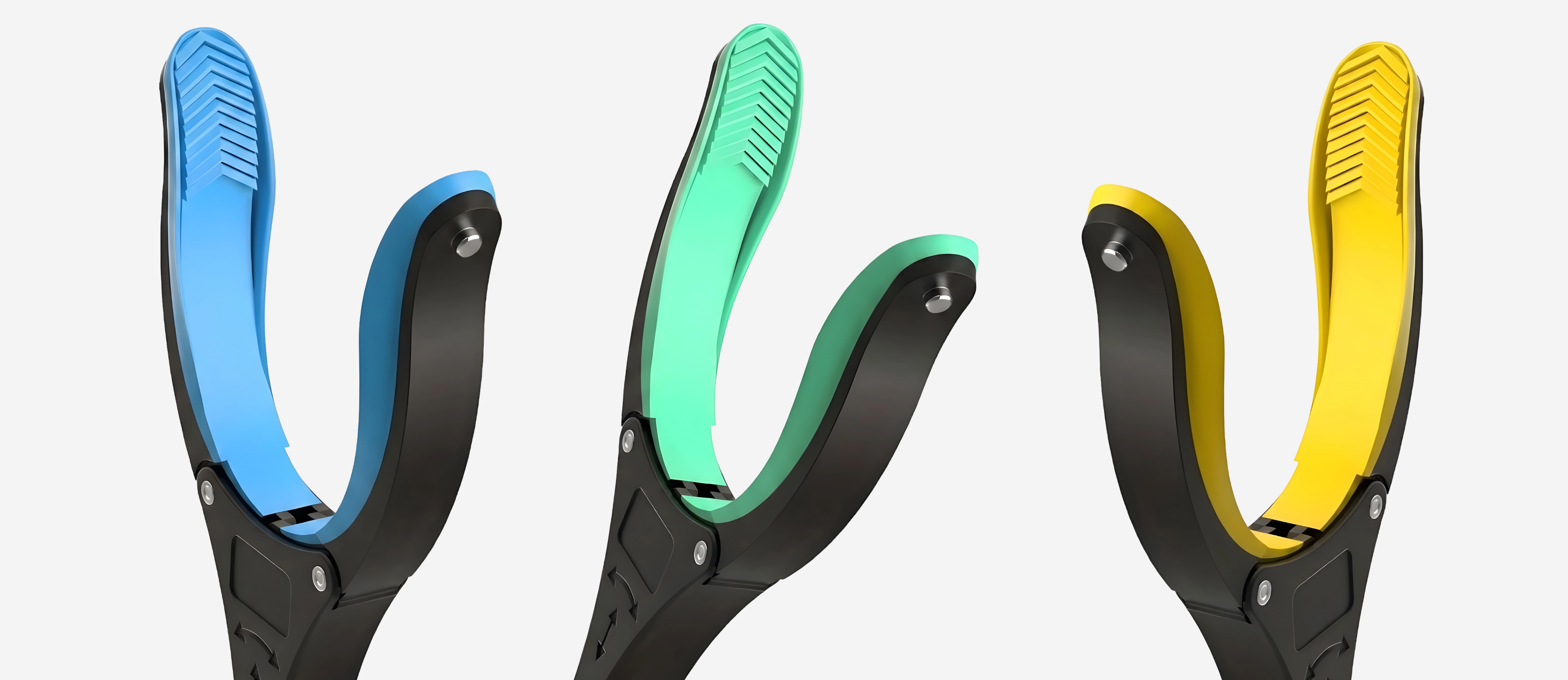
Direct answer: Wrist fracture recovery kitchen adaptive tools convert bilateral kitchen tasks to single-handed tasks. The electric jar opener is the most critical wrist fracture kitchen tool: it converts jar opening from a bilateral task (stabilize with one hand, rotate with the other) to a true one-handed task (place jar in device, press button). The GrabbersTool Electric Jar Opener is the most important single kitchen purchase for wrist fracture recovery.
Wrist Fracture Recovery Kitchen Adaptive Strategy
| Wrist Fracture Phase | Kitchen Limitation | Adaptive Tool and Strategy |
|---|---|---|
| Acute immobilization (cast or splint, weeks 1-8) | Wrist completely immobilized; no grip or wrist motion on affected side; all bilateral kitchen tasks require single-hand completion or adaptive tools; jar opening, carrying loaded containers, and cutting (which requires both hands to stabilize food) all limited; dominant-side fracture most disabling | Electric jar opener (GrabbersTool) -- one-handed operation, jar placed in device; suction cup one-handed cutting board; electric can opener (one-handed); slide items on counter rather than carrying with two hands; if non-dominant side fractured, normal dominant-hand kitchen function retained for most tasks |
| Post-cast or post-ORIF rehabilitation (weeks 6-20) | Wrist stiffness and weakness after cast removal; grip force 50-70% of contralateral initially; wrist range of motion limited (flexion, extension, pronation, supination all restricted); jar opening still requires more force than the recovering wrist can generate; therapy progress over weeks to months | Electric jar opener during rehabilitation (wrist not loaded beyond recovering capacity); gradually return to manual kitchen tasks as grip and ROM recover per PT milestones; wrist strengthening exercises as prescribed; therapy supervision for progressive kitchen task return |
| Scaphoid fracture (extended immobilization 8-12+ weeks) | Scaphoid immobilization is longer than distal radius; wrist in cast for 3 months or longer for waist and proximal scaphoid fractures; all above limitations for extended period; scaphoid avascular necrosis (AVN) is a complication requiring ongoing management; function after healing similar to distal radius recovery | Electric jar opener for the extended scaphoid immobilization period; one-handed kitchen technique for all scaphoid cast duration; OT hand therapy after cast removal for wrist rehabilitation; adapt kitchen setup for the longer recovery timeline |
See the Electric Jar Opener and adaptive kitchen collection for wrist fracture recovery kitchen independence.


