

Limb loss -- whether from trauma, vascular disease, cancer, or congenital absence -- creates specific daily function challenges that depend significantly on which limb and which level of amputation. Upper extremity amputation changes the bilateral task requirement for kitchen and daily tasks; lower extremity amputation affects balance, mobility, and floor retrieval. Prosthetic technology has advanced substantially, but prostheses do not restore all function, and adaptive tools complement prosthetic use for tasks that prosthetic limbs handle less well than the original limb did. Occupational therapists who specialize in upper extremity and lower extremity prosthetics have well-developed adaptive tool recommendations for each limb loss scenario.
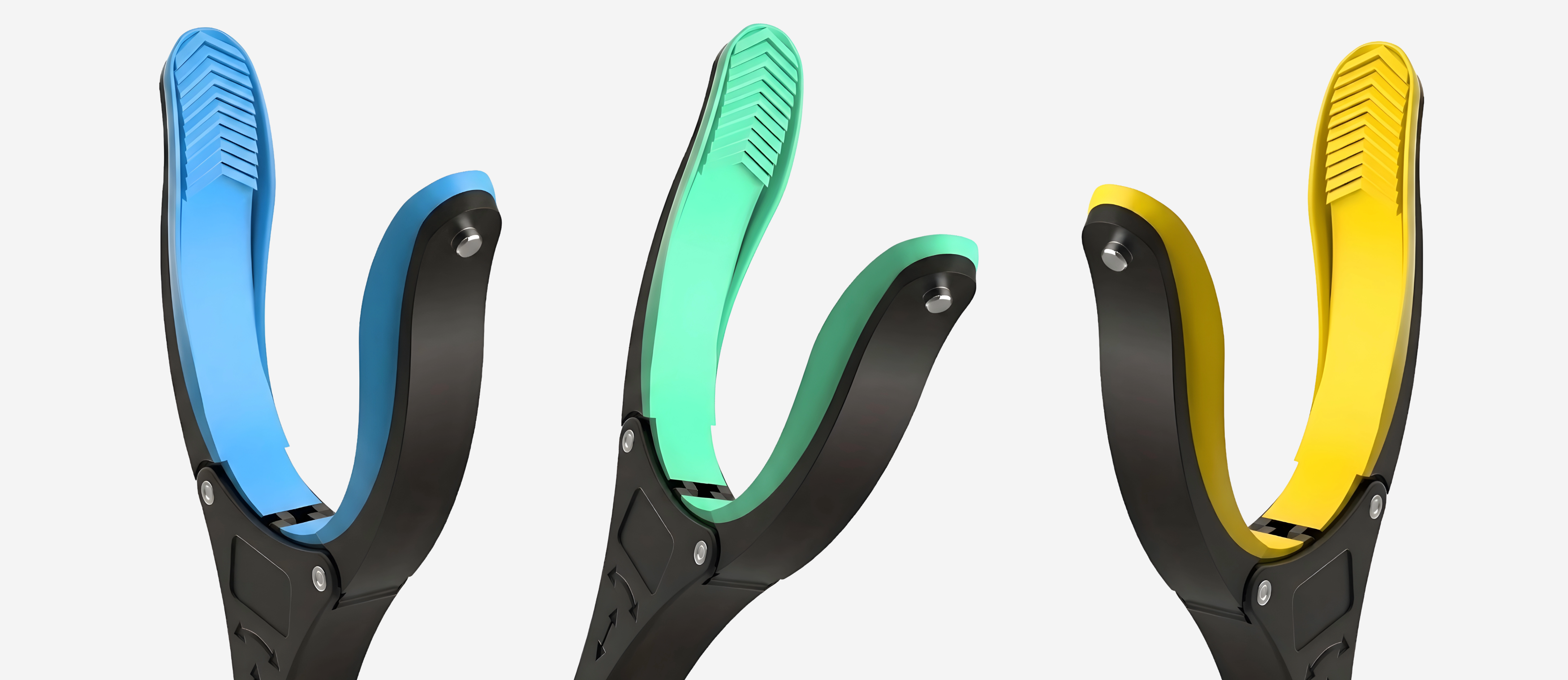
Direct answer: The adaptive tools most relevant to amputee daily function depend on amputation level and side. For upper extremity amputees, electric tools (jar opener, can opener, electric knife) reduce the bilateral task requirement that prosthetic hands may not fully replace for kitchen function. For lower extremity amputees, reachers assist with floor retrieval and dressing tasks (putting on prosthesis, managing socks and shoes) while maintaining standing balance. The GrabbersTool Electric Jar Opener and Reacher are both used in amputee OT practice.
Adaptive Tools by Amputation Type
| Amputation Type | Primary Function Challenge | Key Adaptive Tools |
|---|---|---|
| Below-elbow (transradial) | Fine motor bilateral tasks: jar opening, can opening, peeling | Electric jar opener, electric can opener, non-slip mat under cutting board |
| Above-elbow (transhumeral) | All bilateral upper extremity tasks; reach and lift | Electric tools for kitchen; reacher for extended reach; one-handed can openers |
| Below-knee (transtibial) | Balance on prosthesis; dressing (prosthesis management) | Reacher for sock-aid use and floor retrieval; shower chair during prosthesis removal |
| Above-knee (transfemoral) | Balance and energy expenditure; dressing and floor tasks | Reacher (floor retrieval without balance-compromising bending); raised toilet seat |
| Bilateral upper extremity | All hand-dependent tasks; most kitchen tasks | Full adaptive kitchen set: electric opener, cutting board with spikes, voice assistant for timers |
Dressing and Prosthesis Management
Lower extremity amputees have a specific dressing challenge: managing prosthetic socks and the prosthesis itself from a seated position, often without being able to reach the residual limb or foot level easily. The reacher assists with: reaching socks that have fallen to the floor, positioning clothing items, and retrieving items dropped during the prosthesis-on/off process. These are among the first tasks lower extremity amputee OT programs address.
The GrabbersTool 32-inch Reacher handles floor-level and low tasks for both upper and lower extremity amputees. The Electric Jar Opener is a key tool for transradial and transhumeral amputees. Browse the reacher collection and kitchen adaptive tools.


