

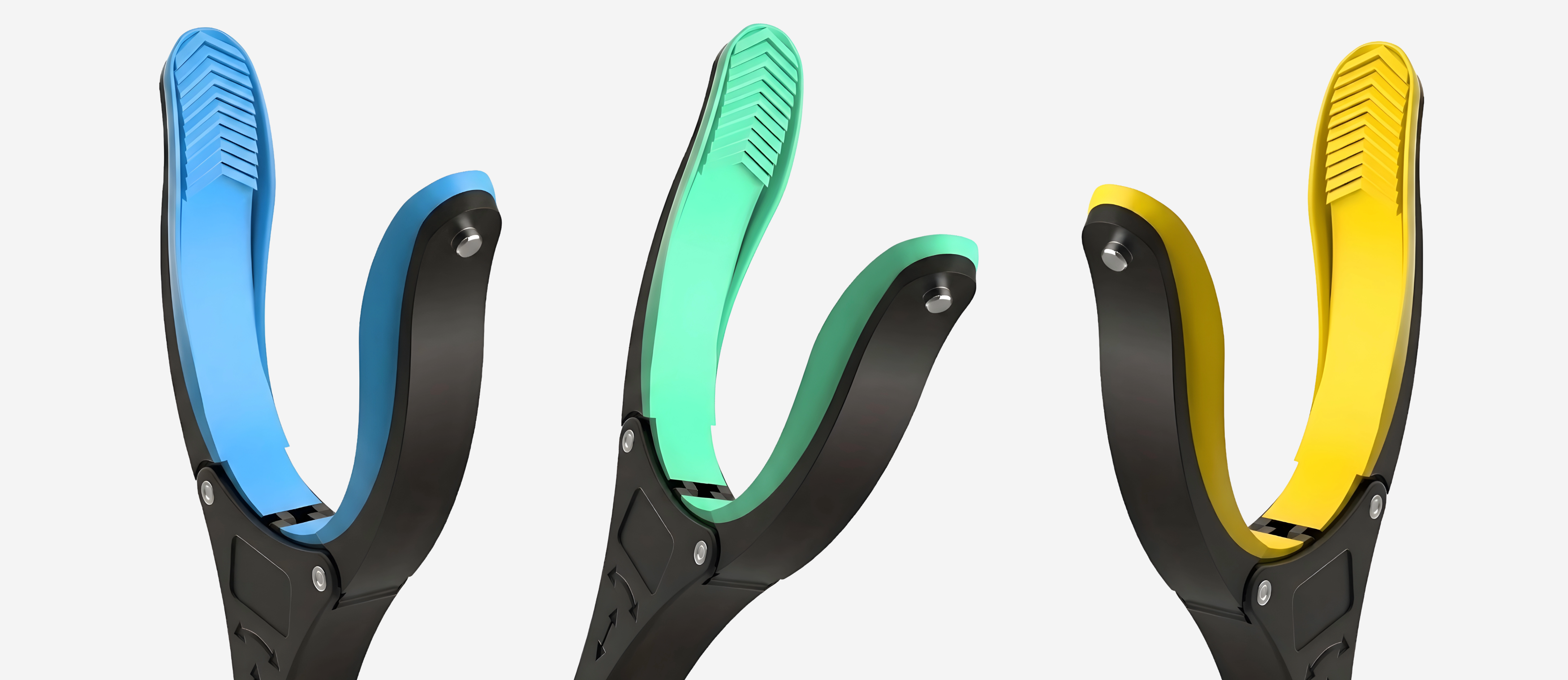
The adaptive tool literature rarely distinguishes between housing types -- but the physical environment shapes adaptive tool needs significantly. An apartment kitchen is typically 60-100 square feet with limited counter space, galley layouts, and high upper cabinet storage relative to its footprint. A house kitchen may be 150-300 square feet with varied cabinet heights, pantry storage, and a different reach-range profile. These environmental differences change which adaptive tools matter most, where they are stored, and how they interact with mobility aids that must fit within the space. GrabbersTool works with customers across both housing types and hears specific environmental frustrations that differ between the two.
Direct answer: the core adaptive tools -- electric jar opener, electric can opener, and reacher grabber -- are valuable in both environments, but the selection priorities differ. In apartments, counter space is scarce, so the footprint of adaptive tools matters. In houses, the greater floor area and storage diversity mean that reach range (particularly the 43-inch Reacher for deep storage access) is often the higher priority.
Apartment-Specific Adaptive Tool Considerations
| Apartment Challenge | Adaptive Tool Implication | GrabbersTool Solution |
|---|---|---|
| Limited counter space | Large adaptive tools compete with cooking workspace | Electric Jar Opener compact footprint -- assess countertop space on product page |
| High upper cabinets relative to floor space | Overhead reach is frequent -- small galley means upper storage is primary storage | 43-inch Reacher for overhead reach in compact space |
| No separate pantry (floor-level storage in lower cabinets) | Floor-level cabinet access requires bending -- frequency is higher than in house | 32-inch Reacher for under-counter cabinet access |
| Narrow corridors -- mobility aids must navigate tight turns | Walker/wheelchair path through kitchen may be restricted | Tool placement that does not create floor-level obstacles |
| No laundry room -- laundromat or in-unit stacked unit | Laundry from sitting or bending position, often tight space | Reacher for laundry retrieval from low-position dryer |
Product dimensions and countertop footprint are detailed on each product page. View Electric Jar Opener dimensions.
House-Specific Adaptive Tool Considerations
House kitchens present different reach challenges. Pantry storage (floor-to-ceiling shelving in a separate closet) creates both low-level and high-level reach demands. Deep lower cabinets -- particularly in corner configurations -- require reaching into the depth of the cabinet, not just reaching down. The 43-inch reacher handles deep-cabinet access that the 32-inch model may not: its length allows retrieval from the back of a lower corner cabinet without the full kneel that would otherwise be required. Houses also typically have more floor area, which means dropped items may land further from the retrieval position -- making a longer reacher more useful than in a compact galley kitchen where items rarely land far from standing position.
Elevator Access and Carrying Capacity
Apartment living involves elevator access -- which creates a specific carrying challenge for people with disabilities. Grocery bags must be transported from parking or delivery point to the apartment unit, often through elevator lobbies, in a single trip or multiple trips without help. The mobility aid (walker, cane, wheelchair) competes with grocery-carrying capacity. GrabbersTool customers in apartments with mobility aids describe deliveries as the highest-challenge grocery scenario -- particularly when the elevator is slow, building common areas are crowded, or the delivery is large. The cane strap (GrabbersTool Cane Strap) allows secure cane storage during carrying tasks, freeing both hands for bags while maintaining cane accessibility at the destination.
Single-Floor House Access: Less Stair Challenge, More Spatial Range
Single-story houses (ranch style, accessible design) eliminate the stair challenge of multi-story houses and the elevator challenge of apartments. But the greater spatial range of a house means items dropped or needed at the far end of a room may be further from the user than in an apartment. The house also typically has outdoor areas -- garden, garage, driveway -- where mobility limitations affect daily task completion in ways that apartments with indoor common areas do not. The reacher extends usefulness to outdoor contexts: retrieving items from vehicle floors, garden beds, and garage floors uses the same tool as indoor kitchen retrieval. See also: Gardening with Adaptive Tools: Raised Beds, Reachers, and Accessible Garden Design.
Browse Reacher Grabber Tools and Easy Grip Kitchen Openers.


