

Bariatric surgery recovery generates an adaptive tool need that is often overlooked in surgical preparation guides: abdominal incision protection. Gastric bypass, sleeve gastrectomy, and other bariatric procedures create abdominal soreness and surgical site protection requirements that make bending forward to floor level painful, straining against resistance painful, and jar-opening -- which requires core engagement -- acutely uncomfortable for the first several post-operative weeks. GrabbersTool receives inquiries from bariatric surgery patients specifically around the issue of kitchen independence during a recovery period that coincides with a radical dietary change requiring precise meal preparation.
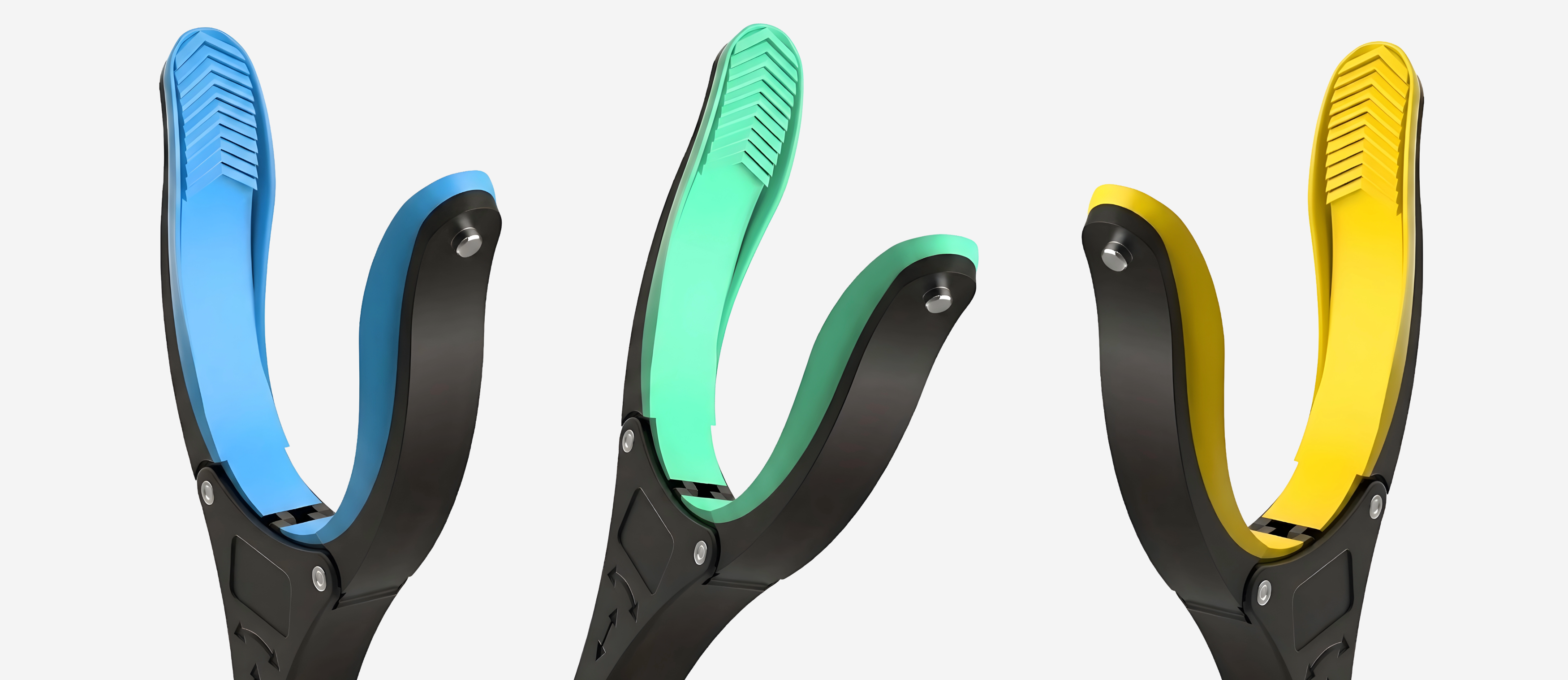
Direct answer: for bariatric surgery recovery, the essential adaptive tools are the Reacher Grabber (eliminates bending that engages the healing abdominal wall), the Electric Jar Opener (eliminates the core bracing required for manual jar opening), and the Electric Can Opener (no sustained effort or abdominal bracing required). The Standing Assist Tool is helpful for patients who used a chair as a rest point during cooking and need a safe way to transition between standing and seated positions.
Bariatric Recovery Timeline and Adaptive Tool Use
| Recovery Phase | Abdominal Status | Adaptive Tool Priority |
|---|---|---|
| Week 1-2: Acute post-op | Incision sites tender; core engagement causes pain; walking slowly with support; fatigue significant | Reacher for all floor tasks; electric openers for kitchen; minimal cooking required |
| Week 2-4: Healing progressing | Laparoscopic incisions healing; pain decreasing; beginning to cook soft/pureed foods | Electric openers essential for kitchen independence; reacher as needed |
| Week 4-8: Return to cooking | Incision healed; core bracing tolerance improving; resuming more complex meal prep | Electric openers may remain useful; reacher used as needed |
| Month 2 and beyond | Full function returning; weight loss beginning to affect mobility positively | Adaptive tools used selectively as recovery completes |
Specifications and full product details are on each GrabbersTool product page. View Electric Jar Opener specifications.
Bariatric Surgery and Pre-Surgery Adaptive Tool Setup
Most bariatric surgery programs include pre-operative preparation classes that address dietary and lifestyle changes but rarely cover adaptive tool preparation in detail. GrabbersTool recommends the same pre-surgical setup approach used for orthopedic procedures: acquire and position tools before surgery so they are immediately accessible on the first day home. For bariatric patients, the kitchen is central -- the post-surgical diet protocol begins immediately, requiring precise preparation of very specific food forms (clear liquids, then pureed, then soft). Having electric openers at counter level from day one means that the effort and pain of manual can or jar opening does not become a barrier to dietary compliance during the most critical recovery phase.
Long-Term Mobility Changes After Bariatric Surgery
Successful bariatric surgery results in significant weight loss over months to years. This weight loss typically produces substantial improvements in mobility, joint pain, and activity tolerance. Patients who had severe obesity-related joint pain and mobility limitations before surgery often find that adaptive tools become less necessary as weight loss progresses. GrabbersTool customers who were using adaptive tools for obesity-related joint limitations before bariatric surgery sometimes report that they no longer need the reacher or walking cane 12-18 months post-surgery after achieving significant weight loss. This trajectory -- adaptive tools as a bridge through recovery and transition, with reduced dependence at full recovery -- is worth understanding when planning tool acquisition. See also: Standing Assist Tool Complete Guide.
Browse Easy Grip Kitchen Openers, Reacher Grabber Tools, and Ergonomic Mobility Solutions.


