

Congestive heart failure management is fundamentally about cardiac output: the heart cannot pump adequate blood volume to meet the body demand, which means any activity that increases oxygen demand -- walking faster, climbing stairs, bending repeatedly, lifting -- causes dyspnea (breathlessness) and fatigue disproportionate to the effort. From an adaptive daily living perspective, CHF is an energy budgeting condition: the daily allowance of physical exertion is finite and must be spent on the highest-priority activities. Every unnecessary exertion expenditure reduces what is available for valued activities. Adaptive tools reduce the exertion cost of unavoidable daily tasks.
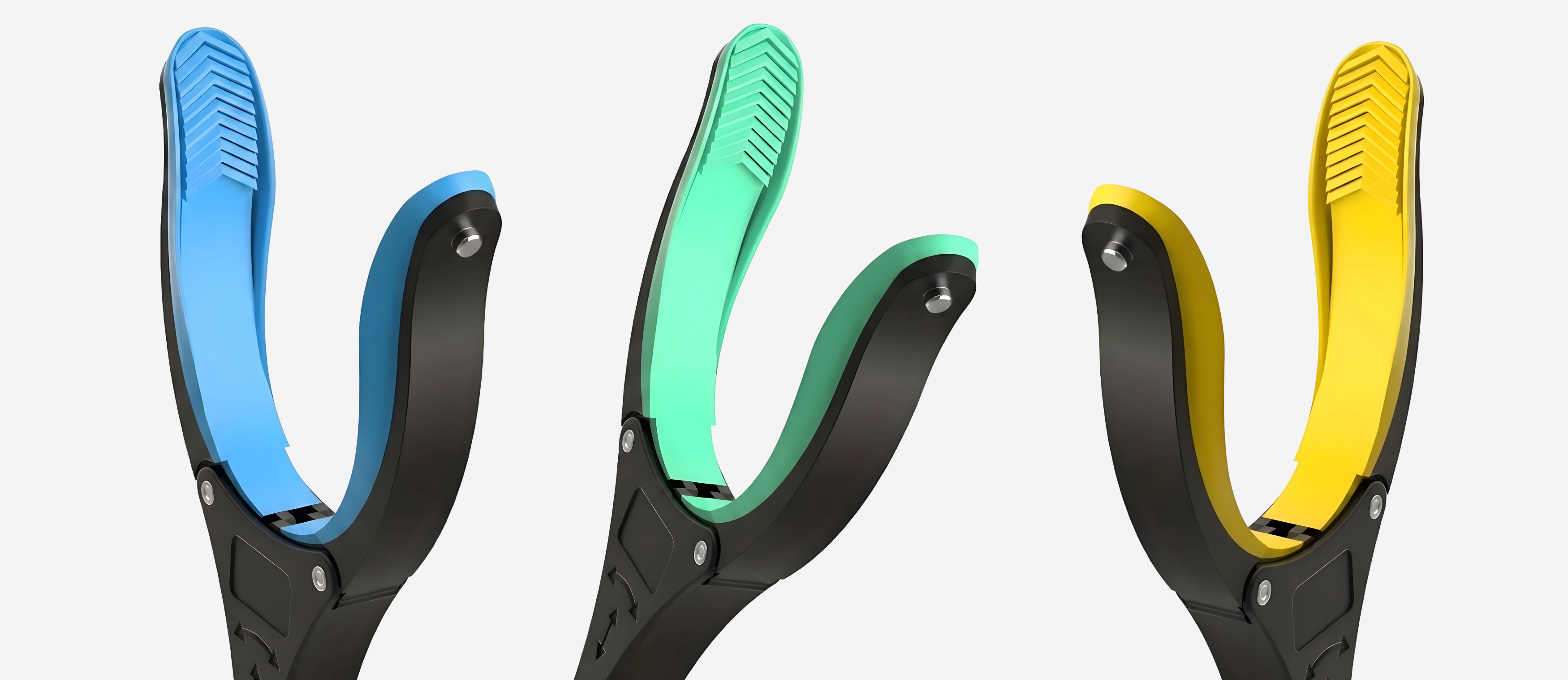
Direct answer: for congestive heart failure, adaptive tools reduce the metabolic cost of daily kitchen and household tasks by eliminating high-exertion movement patterns. The GrabbersTool 43 inch Reacher Grabber eliminates floor bending (a high-exertion movement for CHF patients due to the Valsalva pressure effect of bending). The Standing Assist Tool reduces the exertion of chair-to-stand transfers. The Electric Jar Opener and Electric Can Opener eliminate the sustained grip exertion of kitchen container opening.
Why Bending Is Particularly Costly for CHF
Trunk flexion -- bending forward to the floor -- triggers the Valsalva maneuver in many patients: increased intrathoracic pressure that temporarily reduces venous return to the heart. For a healthy heart, this is compensated rapidly. For a CHF heart with reduced reserve, repeated bending creates a meaningful cardiac demand pattern. Many CHF patients report that bending repeatedly (multiple floor-level retrievals in a day) causes disproportionate breathlessness. The reacher grabber eliminates this specific exertion pattern: items are retrieved from a standing, upright posture without trunk flexion.
Exertion Cost of Common Daily Tasks
| Daily Task | Exertion Level (CHF context) | Adaptive Tool Alternative | Exertion Reduction |
|---|---|---|---|
| Floor item retrieval (bending) | High -- multiple trunk flexion events | 43 inch Reacher | Eliminates Valsalva-effect bending |
| Chair-to-stand (repeated) | Moderate-High -- heart rate increase with each transfer | Standing Assist Tool | Reduces effort per transfer |
| Jar opening (sustained grip) | Moderate -- isometric forearm exertion | Electric Jar Opener | Near-zero exertion |
| Can opening (manual) | Moderate -- rotational arm effort | Electric Can Opener | Near-zero exertion |
| Overhead reaching | Moderate -- arm elevation increases cardiac demand | 43 inch Reacher | Arm at lower position during reach |
Standing Assist Tool and Reacher Grabber specifications are on the product pages. View Standing Assist Tool specifications
The Symptom Diary and Activity Pacing
Cardiac rehabilitation programs and heart failure clinics typically teach activity pacing -- distributing physical activities across the day with rest intervals to avoid peak exertion that exceeds cardiac capacity. Adaptive tools integrate with pacing by reducing the exertion cost per activity, which allows more activities to be completed within the same exertion budget. A day where the patient uses electric kitchen openers, a standing assist, and a reacher throughout may have the same or lower total cardiac load as a day without adaptive tools -- while completing more tasks.
Fluid Retention and Tool Considerations
CHF fluid retention affects limb weight and mobility: edematous legs are heavier, and swollen feet may not fit regular footwear. Walking with edematous lower limbs is more effortful than normal ambulation. A walking cane provides stability support during this period, and the Cane Strap prevents the cane from becoming inaccessible if it falls while the patient is seated. Monitoring for rapid fluid retention changes (sudden weight gain, increased breathlessness) is the medical monitoring responsibility -- adaptive tools address the functional support side.
Coordination With the Cardiac Team
CHF management requires close coordination with the cardiology or heart failure team for medication optimization, fluid management, and exertion guidance. Activity restrictions in CHF are individualized based on ejection fraction, functional class, and current disease status. The adaptive tool recommendations above represent general principles -- the cardiology team provides the specific exertion parameters within which those tools are used. Adaptive tools do not change cardiac function; they reduce the exertion required to meet it.
See also: Cancer Treatment Fatigue and Adaptive Tools and Post-COVID Fatigue and Adaptive Tools: Managing Activity in Long COVID.
Browse Ergonomic Mobility, Easy Grip Kitchen Openers, and Reacher Grabber Tools.


