

Inflammatory bowel disease (IBD) -- Crohn disease and ulcerative colitis -- follows a trajectory where many patients will have at least one bowel surgery. The surgery rates for Crohn disease are approximately 70-80% over a lifetime; for UC, roughly 20-30% of patients will eventually need surgery. The post-surgical recovery for IBD bowel resections involves the same abdominal activity restrictions as other abdominal surgeries -- but with additional considerations from the underlying IBD: flare risk, nutritional depletion, possible ostomy management, and the fatigue burden of the underlying condition.
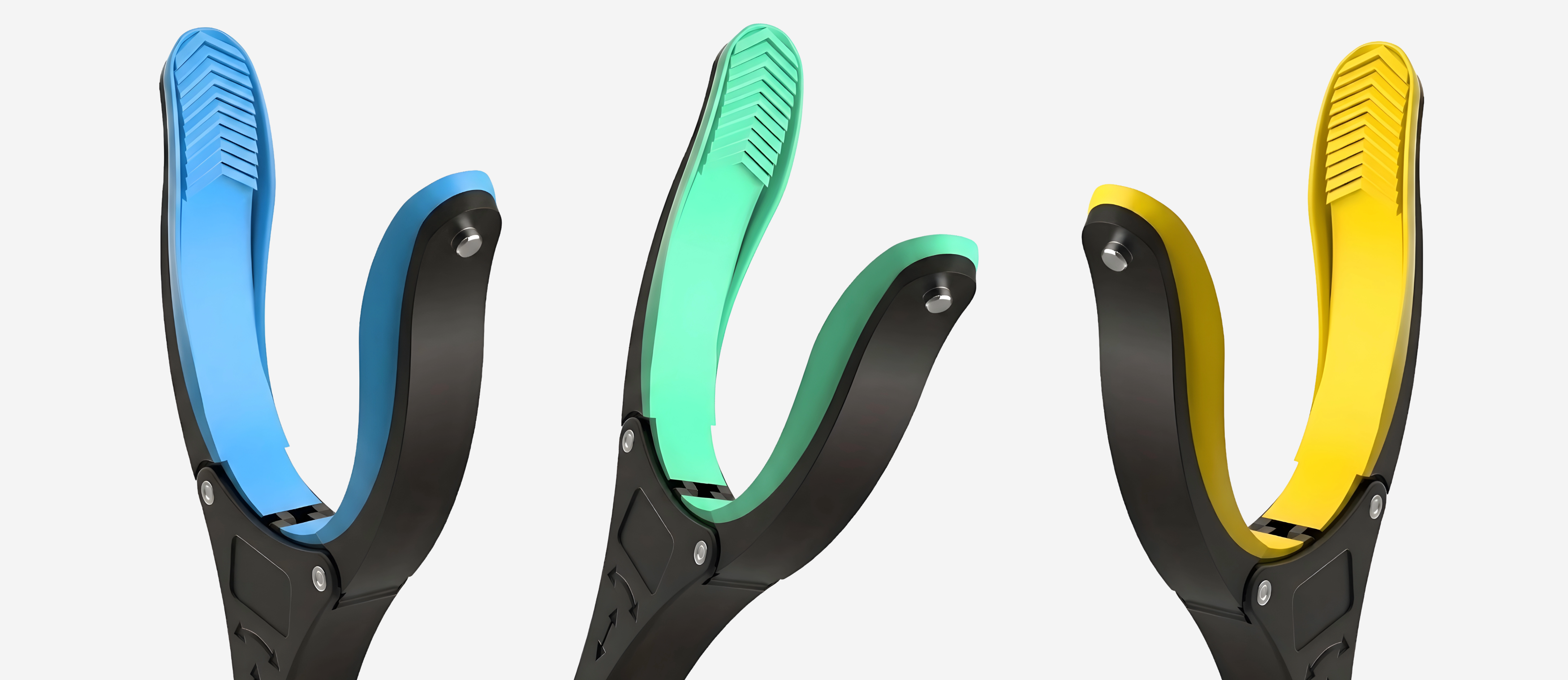
Direct answer: After bowel resection for Crohn or colectomy for UC, activity restrictions are similar to other open or laparoscopic abdominal surgeries: no heavy lifting for 4-6 weeks, no strenuous bending. A reacher grabber addresses the most common daily limitation of this restriction -- floor retrieval without bending -- and is the primary adaptive tool during the abdominal surgery recovery period.
IBD Surgery Types and Recovery Profiles
| Surgery Type | Typical Recovery Duration | Primary Adaptive Need |
|---|---|---|
| Small bowel resection (Crohn) | 4-6 weeks abdominal restriction | Reacher, lifting avoidance, energy conservation |
| Ileostomy creation (Crohn or UC) | 6-8 weeks + ostomy learning period | Reacher, ostomy management aids, fatigue management |
| Total colectomy / J-pouch (UC) | Often 2 staged surgeries, 3-6 months total | Reacher (both stages), graduated return to activity |
| Colostomy (Crohn complication) | 6-8 weeks per stage | Reacher, ostomy management, ergonomic kitchen tools |
The Fatigue Factor in IBD Recovery
IBD patients going into surgery are often nutritionally depleted and fatigued from the underlying disease -- unlike healthy patients having elective surgery. This means the energy conservation argument for adaptive equipment is stronger in IBD surgical recovery than in most other post-surgical contexts. A reacher that saves the effort of bending and straightening up multiple times per day represents meaningful energy savings when the patient baseline energy reserve is compromised.
The GrabbersTool Electric Jar Opener reduces the grip-and-torque demand of jar opening -- relevant when abdominal Valsalva should be avoided. The 32-inch reacher addresses floor and low-shelf retrieval throughout the restriction period. Browse the GrabbersTool Reacher collection.


