

Energy conservation is a core occupational therapy intervention for chronic illness-related fatigue. Energy conservation teaches patients to maximize the functional output from their limited energy budget by reducing unnecessary energy expenditure on preparatory activities, modifying task methods, and using adaptive equipment. The kitchen is consistently identified by patients with chronic illness as one of the most energy-demanding and most important functional domains -- the intersection of essential daily nutrition and significant energy demand. Energy conservation in the kitchen is particularly critical for conditions with post-exertional malaise (ME/CFS, long COVID), fatigue-dominant conditions (MS, RA, lupus, cancer treatment), and cardiopulmonary limitations (CHF, COPD, IPF).
The 4 P Principles of Kitchen Energy Conservation
| Energy Conservation Principle | Kitchen Application | Adaptive Tool |
|---|---|---|
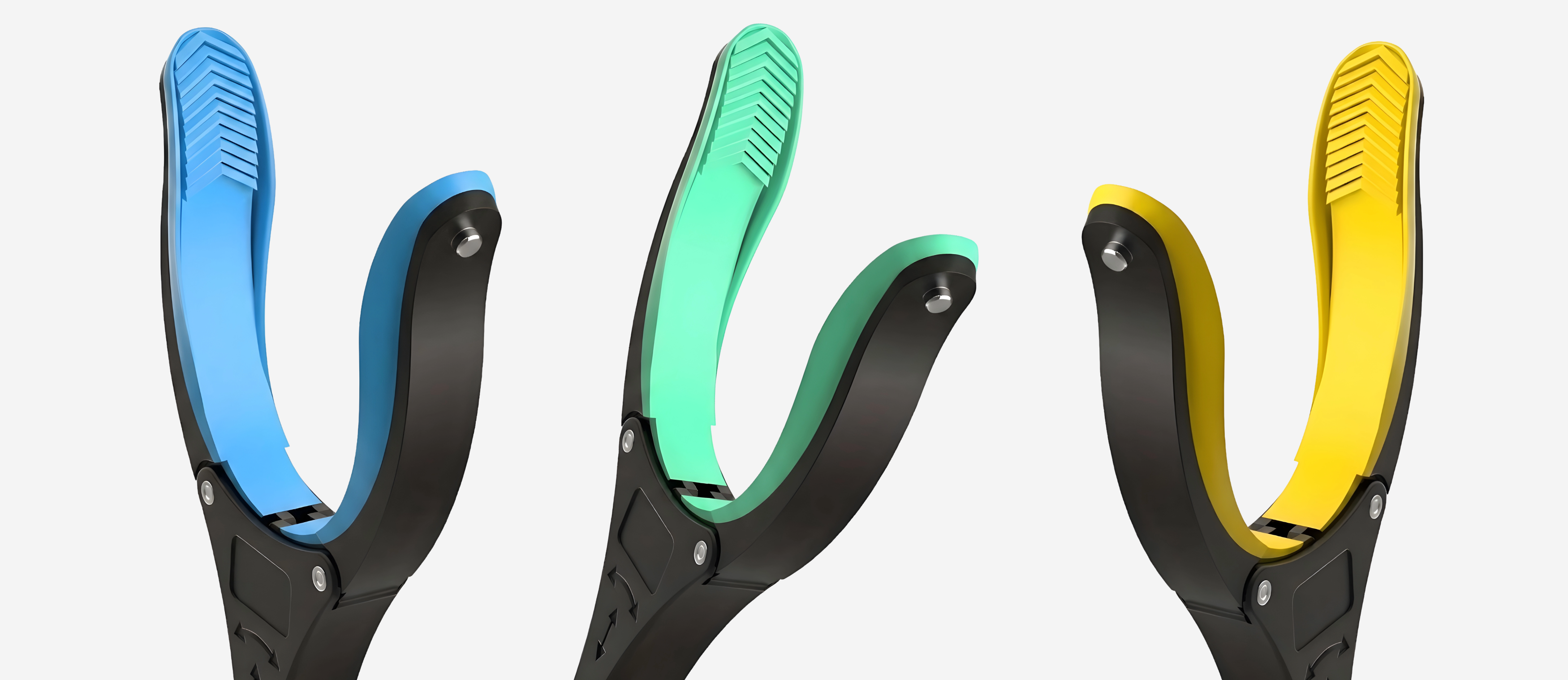
| Planning (organize before you begin) | Before starting any kitchen task, gather all needed items first (utensils, ingredients, tools) and place them within reach; avoid making multiple trips between kitchen zones; plan the full meal preparation sequence before starting to avoid backtracking; meal planning for the week on a high-energy day to reduce daily planning demand; shopping list organized by store section to minimize grocery shopping fatigue | Reacher (GrabbersTool) to gather items from multiple locations without walking; rolling cart to consolidate item transport in one trip; batch cooking planned on high-energy days for the whole week |
| Prioritizing (do what is essential; defer or simplify the rest) | Kitchen tasks are not equal energy cost -- prioritize meal preparation (essential) over elaborate cooking or kitchen cleaning; on high-fatigue days, use the simplest possible meals that meet nutritional needs; decline to prepare complex recipes on high-symptom days even if planned; meal delivery and pre-prepared foods on the worst days are not a failure -- they are a prioritization strategy | Electric jar opener (GrabbersTool) reduces the energy cost of jar opening -- a high-force, high-effort task -- to near zero; electric appliances (blenders, food processors, electric can opener) automate energy-expensive manual kitchen tasks |
| Pacing (work within sustainable activity periods; take planned rest breaks) | For ME/CFS and long COVID with PEM: never push through fatigue to complete kitchen tasks -- rest before becoming exhausted (rest while there is still energy reserve, not after exhaustion); work-rest ratio may be 5 minutes work, 5-10 minutes rest in severe PEM; for MS heat-sensitive fatigue: cool the kitchen environment and work during the cooler part of the day; for RA: avoid kitchen activity during peak morning stiffness (typically first 30-60 minutes after waking) | Seated kitchen preparation (a stool or chair at the counter reduces standing energy cost by 20-30%); kitchen tasks performed at a seated level eliminate standing energy overhead; rest breaks between kitchen task segments planned in advance |
| Positioning (work at the most energy-efficient body position) | Seated preparation uses 20-30% less energy than standing; working with arms at counter height (not reaching above shoulder height) reduces shoulder girdle energy demand; keeping frequently used items within the ideal work zone (between waist and shoulder height, within arm reach without leaning) eliminates positioning energy cost | Reacher (GrabbersTool) for overhead and low-level items means the patient can work from an ideal seated or standing position at counter height without repositioning the body to reach; electric jar opener eliminates the energy-expensive jar-opening motion from the seated or standing kitchen position |
Energy Conservation for Specific Conditions
The 4 P principles apply across conditions but with disease-specific modifications: ME/CFS requires strict PEM prevention (never push through fatigue); MS fatigue is heat-sensitive (cool kitchen, morning activities before heat of the day); RA fatigue peaks in the morning (delay complex kitchen tasks until mid-morning after stiffness resolves). See the Electric Jar Opener and 32-inch Reacher as the core energy conservation kitchen tool pair for chronic illness.


