

Falls are the leading cause of injury-related death in adults over 65, and the CDC data shows that each year approximately 3 million older adults are treated in emergency departments for fall injuries. The majority of these falls happen at home -- in the same rooms, during the same types of activities, by the same movement patterns. Bending to retrieve dropped items. Rising from chairs. Walking to the bathroom at night without adequate lighting or balance support. None of these are unavoidable. They are predictable fall scenarios with known adaptive countermeasures. The question is not whether to take fall prevention seriously -- the consequences of a hip fracture are severe enough to demand it. The question is whether the home has been set up to address the predictable scenarios.
Direct answer: a complete home fall prevention adaptive setup addresses the highest-risk scenarios in each room. Kitchen: Reacher Grabber to eliminate floor bending. Living room: Standing Assist Tool at primary chair. Bedroom: Standing Assist Tool or bedside support for nighttime transfers, Walking Cane at bed edge. Bathroom: grab bars (construction), non-slip mat. Hallways: clear path, motion lighting. The room-by-room guide below covers each environment specifically.
Fall Risk Statistics and Home Environment
According to the CDC, approximately 80% of falls in older adults occur at home. Room distribution of home falls from published geriatric literature:
- Bathroom: highest fall rate per room -- slippery surfaces, transfers from toilet and shower
- Bedroom: high rate of nighttime falls -- disorientation, rushing to bathroom, low light
- Living room and kitchen: highest total fall count due to time spent in these rooms
- Stairways: high severity fall location even if lower frequency
Room-by-Room Fall Prevention Adaptive Setup
| Room | Primary Fall Risk | Adaptive Tool or Modification |
|---|---|---|
| Kitchen | Bending for floor items; reaching high shelves; slippery floor | 43 inch Reacher; non-slip mat; items at accessible height |
| Living room | Rising from low sofa or chair; tripping on rugs or cords | Standing Assist Tool; remove rugs; clear cords |
| Bedroom | Nighttime bathroom trip; rising from bed | Walking Cane with Cane Strap at bedside; motion lighting; Standing Assist if bed is low |
| Bathroom | Slippery surfaces; toilet transfer; shower entry | Grab bars (construction); non-slip mat; shower bench; Reacher for dropped items |
| Hallways and stairs | Low light; no support during transitions | Continuous handrail; night lighting; clear path of any obstacles |
Standing Assist Tool and Walking Cane specifications -- including height range and weight capacity -- are on the product pages. View Standing Assist Tool specifications
The Dropped Item Fall Scenario: Prevention with Reacher
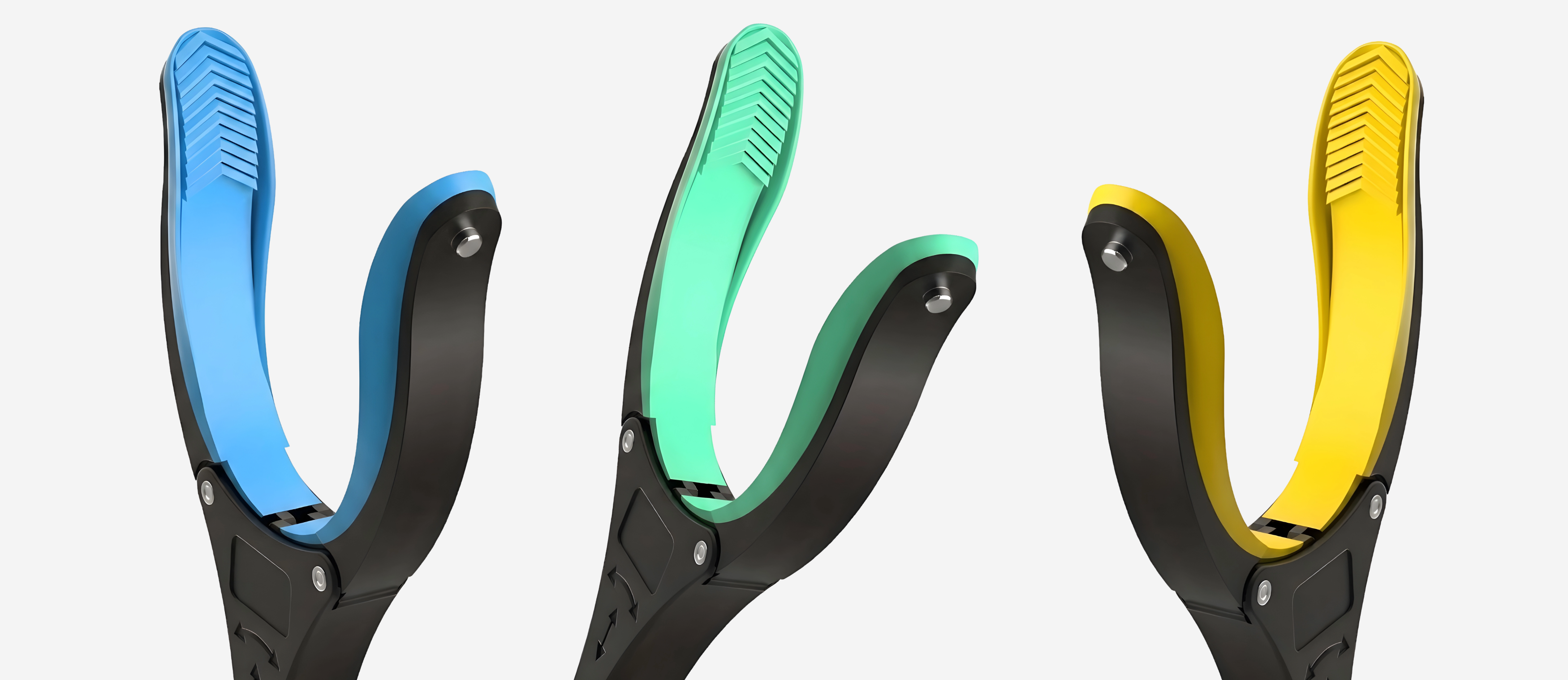
One of the most common fall mechanisms in older adults is bending to retrieve a dropped item. The forward center-of-gravity shift during trunk flexion, combined with the physical effort of rising back to upright, creates both a balance challenge and a Valsalva-related blood pressure change on rising. The 43 inch reacher eliminates this scenario entirely: items are retrieved from standing, without any trunk flexion, without the rise-from-bend balance challenge. Placing a reacher in the kitchen and bedroom (the most common drop locations) directly addresses the most common in-home fall mechanism.
The Nighttime Fall Scenario: Prevention with Bedroom Setup
Nighttime falls account for a disproportionate share of serious home falls. Contributing factors: disrupted balance during sleep-wake transition, urgency of bathroom need that shortens the rise preparation time, low light or darkness. The bedroom prevention setup:
- Motion-activated nightlights along the bathroom path (not GrabbersTool products, but essential)
- Walking Cane with Cane Strap attached to the bedpost -- accessible immediately on waking without searching
- Standing Assist Tool at bed edge if rising from bed is difficult
- Clear path from bed to bathroom with no obstacles that cannot be seen in the dark
Fall Risk Assessment: When to See a Professional
A history of falls -- more than one fall in the past year, or any fall requiring medical attention -- is a clinical risk factor that warrants a formal fall risk assessment by a physician or physical therapist. The adaptive tools described here address environmental factors; a clinical assessment also evaluates intrinsic factors (medications that affect balance, vision, vestibular function, lower limb proprioception) that environmental modifications alone cannot address. GrabbersTool recommends that anyone with a significant fall history pursue clinical fall risk assessment alongside home adaptive setup.
See also: Aging in Place: The Adaptive Tool Strategy That Actually Works and Bedroom Accessibility and Nighttime Safety: Adaptive Tools for the Sleeping Environment.
Browse Ergonomic Mobility, Reacher Grabber Tools, and Long Reach Grabber Tools.


