

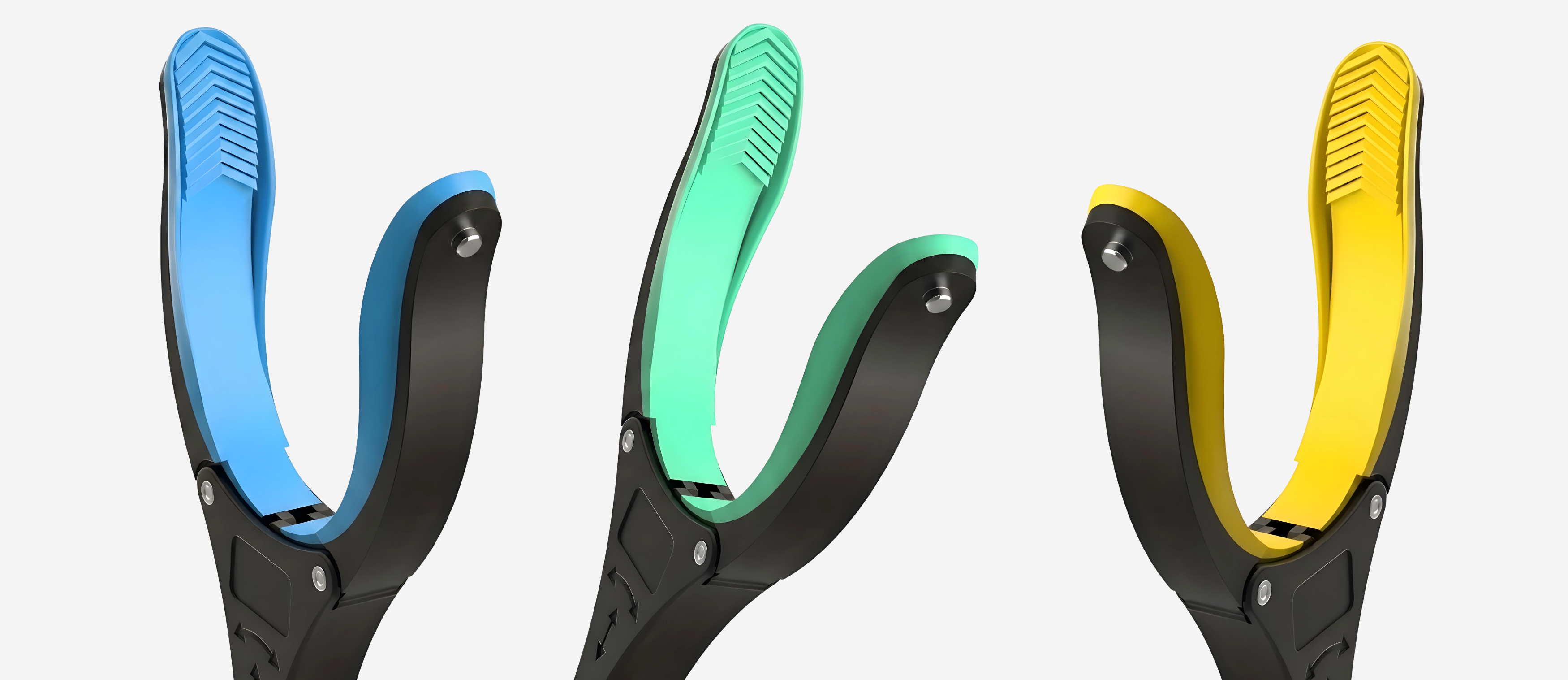
Aging in place -- remaining in one's own home as functional limitations increase with age -- is the preference of 90 percent of adults over 65, according to AARP surveys. The adaptive tools and home modifications that make aging in place possible are well-documented by occupational therapists: non-slip surfaces, grab bars, and reach extension tools rank consistently at the top of the list. GrabbersTool reacher grabbers and electric jar openers address two of the most common limitations that lead to early institutionalization: the inability to safely retrieve items from the floor (fall prevention) and the inability to open food containers independently (nutritional independence).
Direct answer: For aging in place, the GrabbersTool setup should include at minimum one reacher in the kitchen, one in the bedroom (for dropped items at night without requiring a fall-risk stand-up), and one in any room where the senior spends extended time. The electric jar opener belongs permanently on the kitchen counter -- not in a drawer, not put away between uses. Accessibility requires zero setup time. The 32-inch Reacher, 43-inch Reacher (for taller users or wider rooms), and Electric Jar Opener form the core aging-in-place tool set.
Room-by-Room Reacher Placement for Aging in Place
| Room | Primary Use | Recommended Reacher |
|---|---|---|
| Kitchen | Floor retrieval; high-cabinet access; item retrieval from low storage | 32-inch standard; store on counter hook or magnetic wall holder |
| Bedroom | Dropped items at night (phone, glasses, medication); dressing (reaching foot for socks) | 32-inch; keep beside bed at all times; second unit if room is large |
| Living room | Dropped remote, glasses, or personal items; accessing items on low shelves | 32-inch; keep in regular seating position |
| Bathroom | Dropped items during toileting or bathing; limited-bend access | 32-inch; non-slip floor essential to prevent tool from sliding |
| Laundry area | Items fallen inside or behind machines; reaching back of dryer | 43-inch for deep-reach into machines; standard for floor |
The Electric Jar Opener as a Nutritional Independence Tool
Seniors who cannot open food jars skip those foods -- which frequently means skipping protein (canned fish, beans) and vegetables (jarred tomatoes, pickles). The electric jar opener is not merely a convenience tool; it is a dietary independence tool for seniors with arthritis, weakness, or reduced grip. The adaptive kitchen collection addresses the full range of kitchen independence needs.


