

Hemophilia joint management is about prevention: the joint bleed that occurs after a traumatic event (fall, impact, forceful muscle contraction) is far more damaging than a prevented bleed. Repeated joint bleeds in hemophilia lead to hemophilic arthropathy — progressive joint destruction that can become more limiting than the bleeding disorder itself. The occupational therapy framework for hemophilia, therefore, focuses heavily on activity modification and adaptive equipment that reduces the risk of the traumatic events that trigger joint bleeds. Adaptive tools are not a comfort measure in hemophilia — they are part of the bleeding prevention strategy.
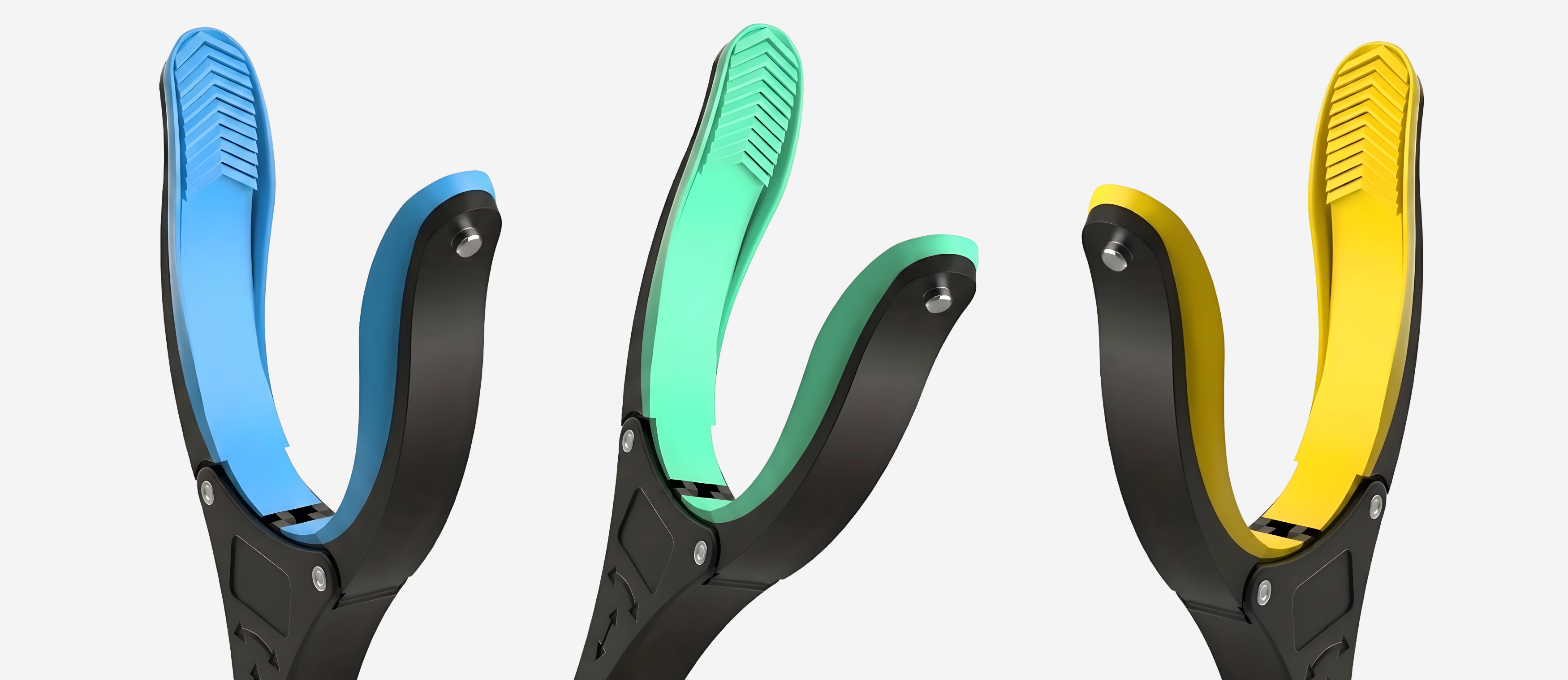
Direct answer: for hemophilia joint protection, the highest-risk daily living events are falls (triggering joint bleeds in hips, knees, and ankles) and forceful muscle contractions (triggering bleeds in muscle and joint during high-effort tasks). The GrabbersTool Reacher Grabber eliminates the bend-and-rise sequence that is a fall risk. The Standing Assist Tool reduces the forceful muscular effort of sit-to-stand that can trigger hip and quadriceps muscle bleeds. The Electric Jar Opener eliminates the forceful grip and wrist rotation that can precipitate wrist joint and forearm bleeds in those with bleeding tendencies.
The Joint Bleed Mechanism in Daily Activities
Joint bleeds in hemophilia are triggered by trauma to the joint capsule or by high-force muscular contractions that create internal joint pressure. In severe hemophilia, bleeds can occur spontaneously without identifiable trigger. In moderate hemophilia, the majority of bleeds are activity-related — occurring during or immediately after high-effort or high-risk activities.
Daily activities that create joint bleed risk:
- Falls: direct trauma to any joint; can trigger bleeds in the knee, ankle, hip, elbow, or wrist depending on how the fall is arrested
- Forceful grip: wrist and finger joint bleeds can be precipitated by high-force gripping, jar opening, and manual tool operation
- High-effort sit-to-stand: forceful quadriceps contraction can trigger knee or hip joint bleeds in severe hemophilia
- Reaching overhead with resistance: shoulder joint bleeds associated with high-resistance overhead movements
Adaptive Tool Bleed Risk Reduction Strategy
| High-Risk Activity | Bleed Risk | Adaptive Reduction |
|---|---|---|
| Floor object retrieval (bend and rise) | Fall risk during rise; joint loading | Reacher Grabber — eliminates the fall risk movement |
| Sit-to-stand transfer | Forceful quadriceps contraction; knee/hip joint loading | Standing Assist Tool — distributes effort; reduces peak muscular contraction |
| Manual jar opening | Forceful wrist torque and grip; wrist/hand joint loading | Electric Jar Opener — motorized; no grip or torque force required |
| Manual can opening | Sustained grip force; wrist deviation force | Electric Can Opener — no grip force required on opener |
| Outdoor ambulation on uneven surfaces | High fall risk; impact forces if stumble occurs | Walking Cane — additional fall prevention support |
The standing assist tool weight rating and the electric opener activation force are the specifications most relevant to hemophilia joint protection — a device that fails during a transfer or requires excessive force to activate creates the risk it is intended to prevent. Both specifications are on the respective product pages. View standing assist specifications | View jar opener specifications
Hemophilic Arthropathy: The Chronic Presentation
Hemophilic arthropathy — chronic joint damage from repeated joint bleeds — creates an adaptive tool need that is indistinguishable from osteoarthritis in its functional presentation: joint pain, reduced range of motion, and strength reduction in the affected joints. The adaptive tools for hemophilic arthropathy are therefore the same as for arthritis: electric openers for hand and wrist joint pain, reacher grabbers for limited hip and knee range of motion, standing assist for reduced lower limb strength.
Coordination With the Hemophilia Treatment Center
Hemophilia treatment centers include physiotherapists and occupational therapists with specific hemophilia expertise. Adaptive equipment recommendations from the HTC team are informed by both the bleeding disorder severity and the current joint status. GrabbersTool product specifications allow these recommendations to be matched to specific products — the specifications the OT uses for prescription (trigger force, weight rating, mechanism type) correspond to the data published on each product page.
See also: Rheumatoid Arthritis and Daily Living: Joint Protection Through Adaptive Tools and Lupus and Daily Living: Adaptive Tools for Fatigue Flares and Joint Protection.
Browse Easy Grip Kitchen Openers, Reacher Grabber Tools, and Ergonomic Mobility.


