

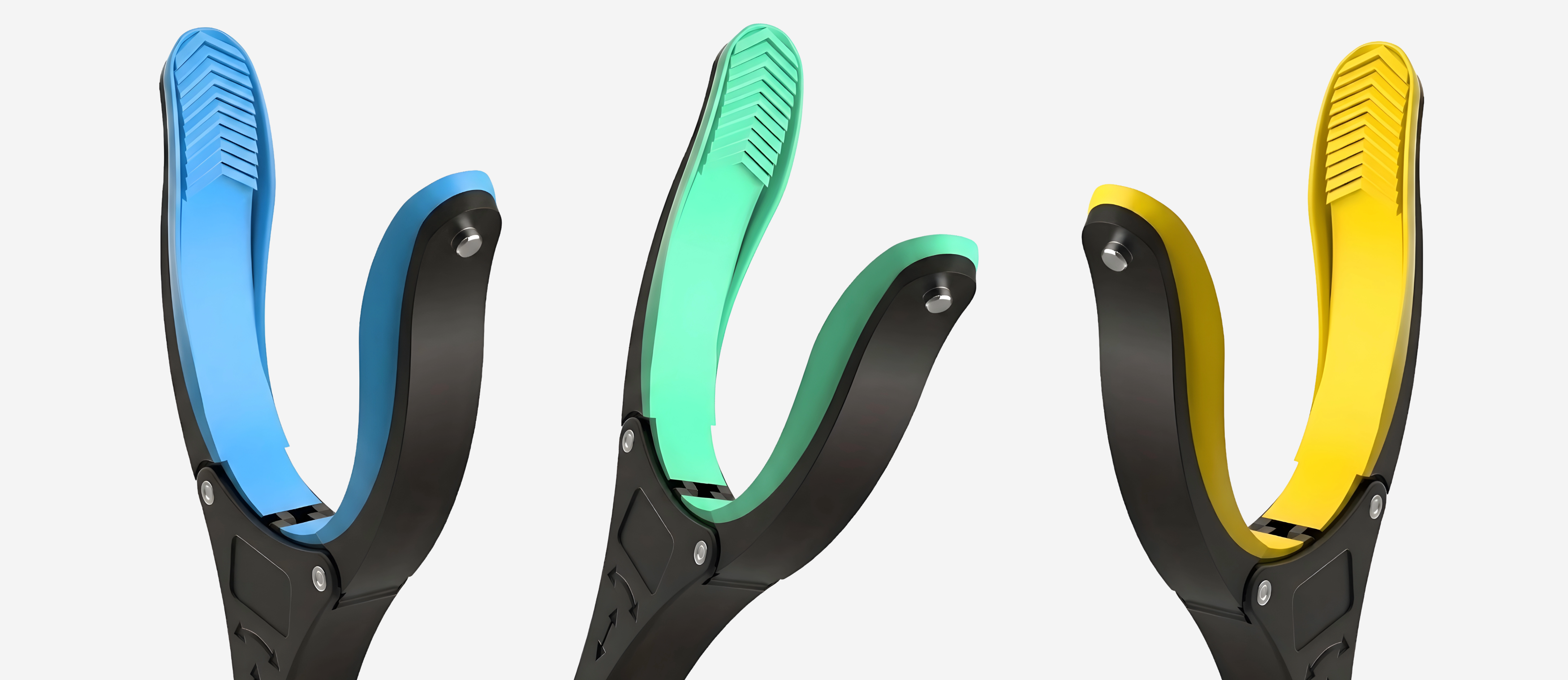
A reacher grabber tool is a mobility aid with a pistol-grip trigger mechanism, a long shaft (typically 32 or 43 inches), and a claw or jaw at the working end. Correct technique is essential: an incorrectly used reacher can drop objects (creating fall risk if the user bends to retrieve them), fail to grip objects securely (causing the object to fall before the hand is reached), or strain the user shoulder or wrist if the reacher is held incorrectly. The technique for using a reacher differs by object type, location, and user ability -- floor-level retrieval requires different technique than overhead retrieval, and soft objects (clothing) require different jaw positioning than hard objects (cans, containers). This guide covers the clinical OT-standard technique taught in occupational therapy and physical therapy settings for reacher use across all common daily living tasks.
Direct answer: The correct reacher technique is: hold the reacher at the trigger grip (not the shaft) with your dominant hand; position the open jaws around or under the target object before squeezing; squeeze and maintain squeeze until the object is at your hand; release over a stable surface. Never swing a loaded reacher. The GrabbersTool 32-inch Reacher and 43-inch Reacher use this trigger-grip design for maximum ergonomic efficiency.
Step-by-Step Reacher Technique by Object Location
| Object Location | Reacher Technique | Common Errors to Avoid |
|---|---|---|
| Floor level (dropped items) | (1) Stand or sit with stable base; (2) Point reacher downward to floor target; (3) Open jaw fully before approaching object; (4) Position jaw opening around the widest part of the object or under it; (5) Squeeze trigger firmly and maintain; (6) Lift slowly and vertically (not with a swing); (7) Transfer object to a stable surface before releasing | Squeezing before jaw is positioned (jaw closes on air, not object); releasing too early (object drops and falls again); swinging reacher horizontally with object in jaw (drops at end of swing); using reacher for objects too heavy or slippery for jaw grip (rounded glass bottles) |
| Overhead shelf | (1) Extend reacher vertically or diagonally toward target; (2) Approach from below the object; (3) Hook jaw over the target if possible, or grip laterally; (4) Squeeze and drag item toward shelf edge; (5) Catch item as it reaches edge -- have other hand or surface ready; (6) Never carry a heavy overhead item fully by reacher -- partially support with shelf until item is at reachable height | Trying to carry fully independent of any surface (heavy items may overcome jaw grip and drop); incorrect jaw angle (approaching from the side rather than below makes grip insecure); items too far back on shelf (43-inch reacher is required for deep shelves) |
| Laundry (clothing from washer, floor) | For clothing: hook jaw around a garment loop, belt loop, or sleeve; fabric grips well with ribbed jaw surfaces; for clothing on floor, feed jaw under and through a clothing article, not just on the surface; for washer drum, hook inside drum opening and drag garment toward opening before gripping | Gripping only the surface of a flat garment (insufficient purchase -- grip more of the fabric); reaching into washer drum at an angle that compromises shoulder joint protection |
| Item on counter or table (same level) | Approach object from the side; position jaw opening around the widest diameter; squeeze and slide toward body; slide on surface (do not lift clear unless necessary) to maintain grip; countertop sliding is the most secure reacher transfer method for heavy objects | Lifting counter objects unnecessarily (sliding is more secure and requires less jaw grip force); reaching across the body with reacher (compromises grip and body mechanics) |
See the 32-inch Reacher and 43-inch Reacher and browse the full reacher collection.


