

Mixed connective tissue disease is, by definition, the combination of features from multiple autoimmune conditions -- typically lupus, scleroderma, polymyositis, and rheumatoid arthritis in varying degrees. This overlap creates an adaptive tool challenge that is more complex than any single condition: the person may have Raynaud phenomenon from the scleroderma component (cold-triggered grip loss), inflammatory myopathy from the myositis component (proximal muscle weakness), and joint inflammation from the lupus and RA components (pain and restriction). The appropriate adaptive tools address the dominant functional limitation at any given time, which may shift as the disease activity fluctuates.
Direct answer: for mixed connective tissue disease, adaptive tool selection follows the currently dominant symptom burden. During Raynaud-dominant periods: the GrabbersTool Electric Jar Opener (operable with palm press during vasospasm). During myositis-dominant periods (proximal muscle weakness): the Electric Jar Opener, Electric Can Opener, and Standing Assist Tool (proximal weakness makes rising and sustained arm use difficult). During arthritis-dominant periods: full joint protection kit as for RA. The full tool set covers all MCTD symptom phases.
MCTD Symptom Components and Tool Map
| MCTD Component | Primary Daily Living Challenge | Adaptive Tool |
|---|---|---|
| Raynaud phenomenon | Cold-triggered grip loss and finger numbness | Electric Jar Opener; Electric Can Opener -- palm-operable |
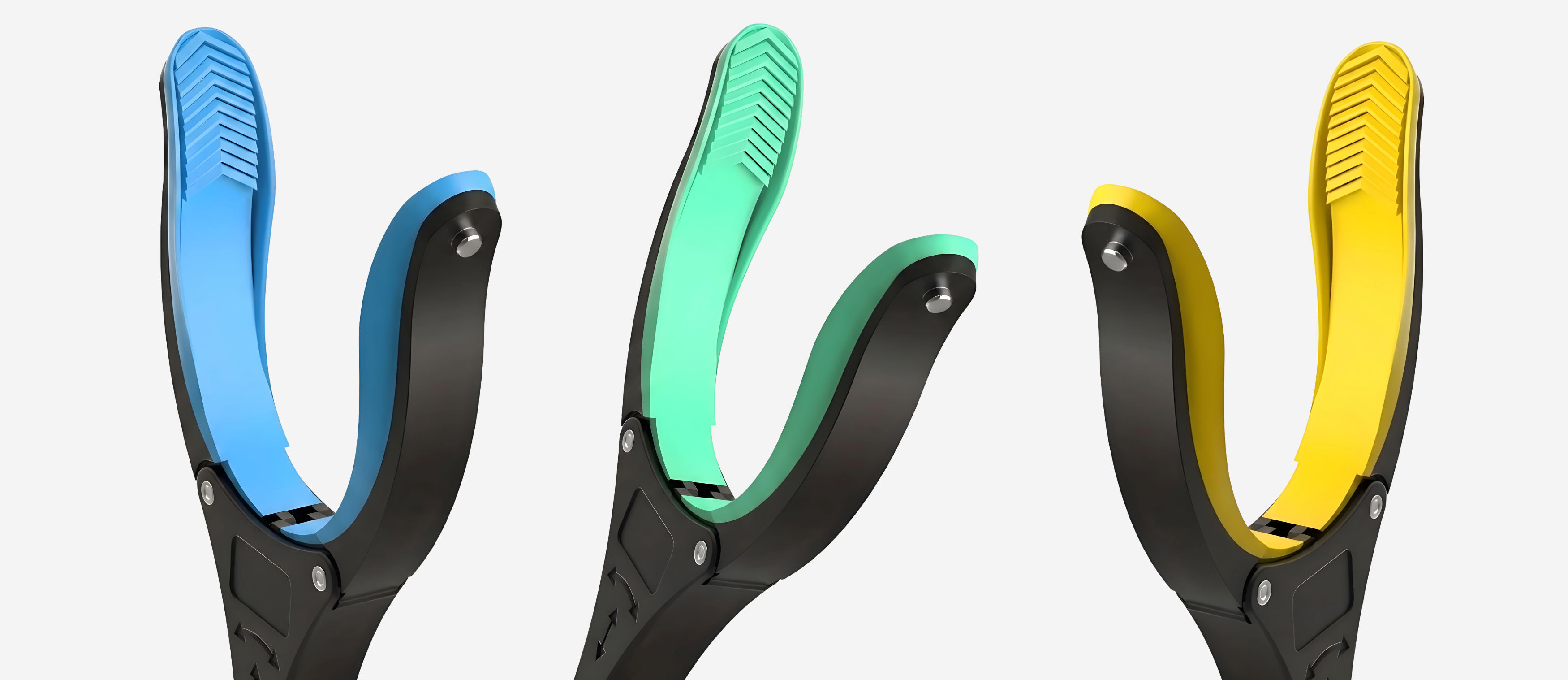
| Inflammatory myopathy (myositis) | Proximal muscle weakness -- arm elevation, rising from chairs | Standing Assist Tool; 43 inch Reacher |
| Arthritis (RA-like) | Joint pain and restriction -- grip, walking, bending | Full joint protection kit: Electric openers; Reacher |
| Scleroderma-type skin tightening | Reduced finger motion -- grip and fine motor | Electric Jar Opener; 5-in-1 Multi-Opener |
| Pulmonary involvement (interstitial lung disease) | Exertion-triggered breathlessness | All electric tools -- minimize physical exertion of tasks |
| Fatigue (universal in MCTD) | Energy limitation for all daily tasks | Energy conservation tools across all categories |
Electric opener and other product specifications are on the product pages. View Electric Jar Opener specifications
Disease Activity and Tool Use
MCTD disease activity fluctuates -- periods of flare across multiple components may be followed by relative remission in some areas. The adaptive tool setup should accommodate the most limiting phase even during better periods, because flare timing is unpredictable and the tools need to be available and familiar when symptoms worsen. Permanent counter positioning of electric openers and accessible reacher placement throughout the home addresses this by making the full adaptive toolkit available at all times regardless of current disease state.
Pulmonary Hypertension in MCTD
A significant minority of MCTD patients develop pulmonary arterial hypertension (PAH), which creates exertion limitations similar to other pulmonary vascular conditions. PAH management involves strict activity pacing to avoid triggering the dyspnea-on-exertion pattern. The same adaptive tool energy-conservation principles that apply to COPD and CHF apply to MCTD-associated PAH: electric kitchen tools that minimize exertion, standing assist to reduce transfer effort, and reachers to eliminate high-exertion bending. The specific exertion limits for PAH are set by the rheumatology and pulmonology teams managing the condition.
Coordination Across Specialties
MCTD is managed by rheumatology, often with pulmonology (lung involvement), cardiology (cardiac involvement), and nephrology (kidney involvement) depending on the specific organ manifestations. No single specialist has the full picture of functional limitation for daily living. An occupational therapist coordinated through the rheumatologist is the appropriate professional for a comprehensive MCTD daily living assessment -- the OT integrates the functional limitations across all disease components rather than addressing each specialty in isolation.
See also: Scleroderma and Adaptive Tools: Managing Skin Tightening, Grip Loss, and Daily Tasks and Lupus and Joint Protection: Adaptive Tools for Low-Energy Days.
Browse Easy Grip Kitchen Openers, Ergonomic Mobility, and Reacher Grabber Tools.


