

GrabbersTool support team encounters a consistent pattern: the person who needs an adaptive tool most urgently is often the person most resistant to using one. A 74-year-old with significant hip arthritis who bends for dropped items despite pain, refuses a reacher because it makes them feel old. A post-stroke patient who struggles through jar opening one-handed without the electric opener because using it feels like giving up. A person with advanced rheumatoid arthritis who will not use the cane because of what it communicates to others. The adaptive tool is available. The limitation is real. The resistance is psychological -- and it is legitimate, rooted in meaningful concerns about identity, autonomy, and social perception.
Direct answer: resistance to adaptive tools is a documented phenomenon in rehabilitation psychology, typically driven by: identity threat (the tool represents a self I do not recognize), social stigma concerns (others will perceive me differently), perceived loss of control (using a tool means the condition has won), and practical concerns about tool visibility and setup burden. Addressing these specifically -- not dismissing them -- is the only approach that works. The reframe that most consistently reduces resistance is positioning the tool as expanding capability rather than marking limitation.
The Identity Threat: Tools and Self-Perception
Deci and Ryan (2000) describe autonomy as a core human psychological need -- the need to feel that one is the agent of one actions. Adaptive tools, paradoxically, are often perceived as reducing autonomy (requiring an external aid to complete a task) rather than extending it (enabling a task that would otherwise require caregiver assistance or be abandoned). The reframe that resolves this: adaptive tools are the mechanism of autonomy, not its negation. The person who opens a jar with an electric opener is more autonomous than the person who cannot open it at all and asks a family member. The tool enables the autonomous action.
Social Stigma and Tool Visibility
Walking canes and reachers are visible in a way that medication is not. They communicate to observers that the user has a mobility limitation. For conditions that carry stigma (mental health comorbidities, conditions associated with aging, conditions that reduce social standing), this visibility creates a real social cost concern. GrabbersTool acknowledges this rather than dismissing it. What tends to shift this calculation:
- Counter-examples of respected people who use similar tools (professional athletes use compression garments; executives use assistive technology)
- Recognition that the alternative (observed struggle, visible pain, fall) is more stigmatizing than the tool
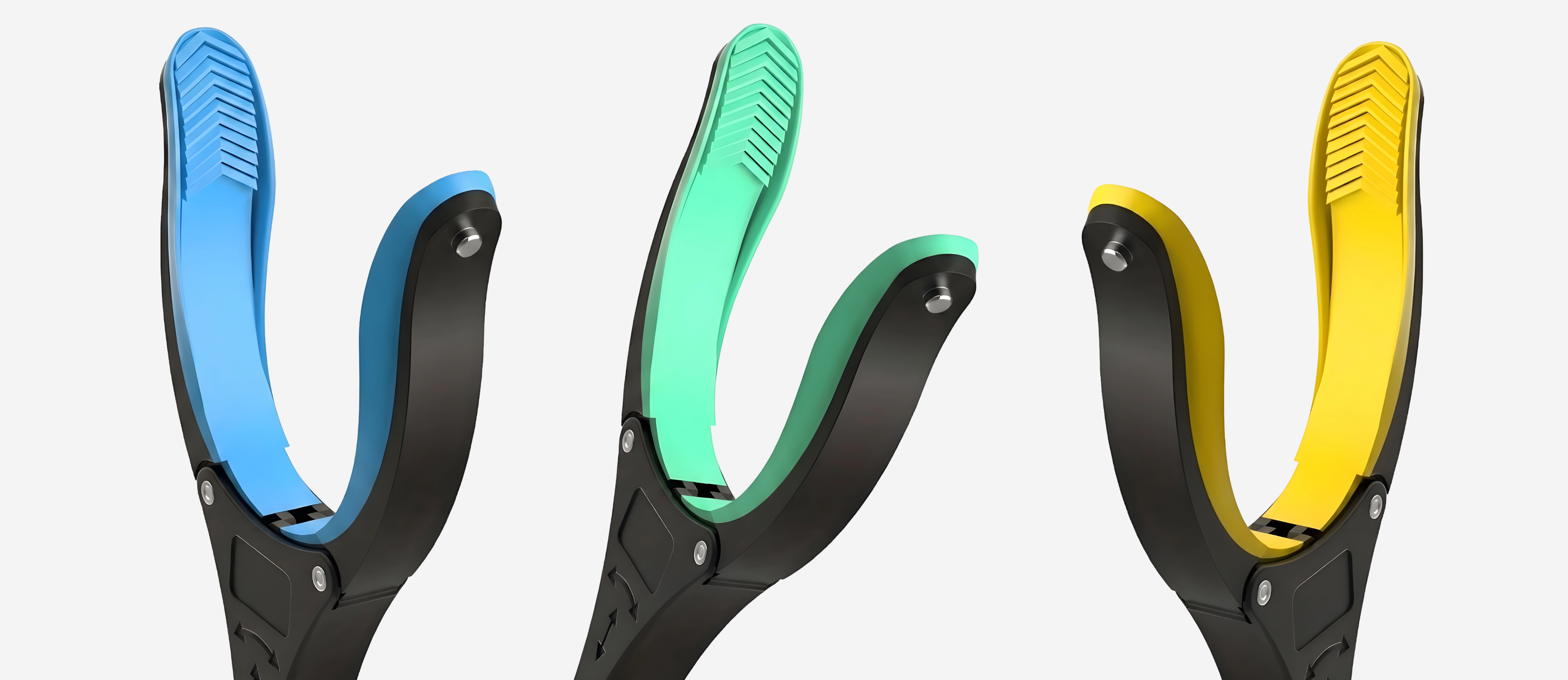
- The design dimension -- tools that do not look institutional or medical are more acceptable (GrabbersTool product design emphasizes modern aesthetics alongside function)
The Control Narrative: Reframing from Surrender to Strategy
A common resistance narrative is: using a tool means the condition has won. This framing positions the tool as a defeat. The alternative framing: using a tool is a strategy that preserves energy, protects joints, and extends functional independence. A marathon runner uses pacing strategy not because running is beyond them -- because strategy extends what is possible. Adaptive tools are pacing strategy applied to daily living. This reframe is most effective when it comes from the person with the limitation themselves, or from a peer -- someone who has navigated the same condition and uses adaptive tools successfully.
The Role of Peer Support
Rehabilitation research consistently shows that peer modeling -- seeing someone with a similar condition use adaptive tools successfully -- is more effective at reducing resistance than professional advice or family encouragement. Arthritis support groups where members openly discuss and demonstrate adaptive tools; stroke survivor networks; online communities for specific conditions -- these provide peer normalization that clinical recommendations cannot. GrabbersTool customers who are open about their adaptive tool use in community contexts directly support this normalization for others.
Practical Resistance: The Setup Friction Problem
Some resistance to adaptive tools is practical rather than psychological: the tool requires setup, requires maintenance, takes up counter space, or requires learning a technique that takes time. These are legitimate concerns, not rationalizations. GrabbersTool addresses this with tool placement strategy: tools that are already out and positioned require no setup friction. The electric jar opener on the counter, used the first time out of habit rather than deliberate decision, quickly becomes a natural part of the kitchen routine. The psychological barrier dissolves through repeated successful use.
See also: Adaptive Tools and Masculinity: The Psychology of Independence for Men With Disabilities and How to Talk to an Elderly Parent About Adaptive Tools Without Damaging the Relationship.
Browse Easy Grip Kitchen Openers, Reacher Grabber Tools, and Ergonomic Mobility.


