

Rheumatoid arthritis is the condition that GrabbersTool encounters most frequently across all customer segments: the newly diagnosed patient whose OT just recommended an electric jar opener, the long-duration RA patient with significant joint deformity who has tried multiple tools over the years, and the caregiver managing a spouse with severe RA who needs to understand what tools exist for the full spectrum of RA functional limitation. No single adaptive tool guide covers the complete range of RA functional needs -- this guide is designed to do that.
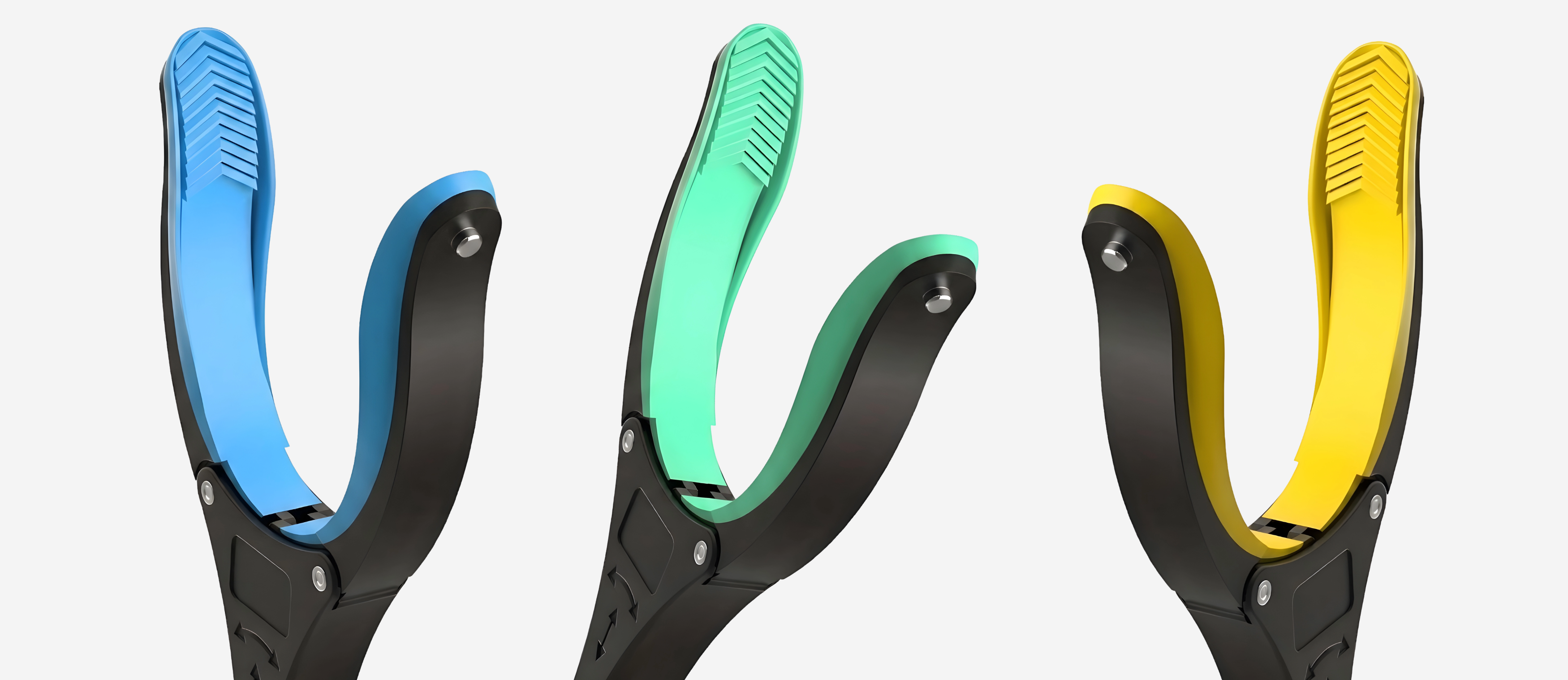
Direct answer: for rheumatoid arthritis, adaptive tool selection depends on disease activity, joint involvement pattern, and current functional status. The universal starting point is the GrabbersTool Electric Jar Opener (hands) and Reacher Grabber (bending and reach), which address the two most common functional limitations in RA regardless of joint involvement pattern. Additional tools depend on specific joint involvement.
RA Joint Involvement Pattern and Adaptive Tool Selection
| RA Joint Involvement | Functional Impact | Adaptive Tool |
|---|---|---|
| Hands (small joints: MCP, PIP) -- most common | Grip painful and weak; ulnar deviation; swan neck deformity | Electric Jar Opener + Electric Can Opener + 5-in-1 Multi-Opener |
| Wrists | Rotation painful; jar opening and doorknob turning affected | Electric Jar Opener -- no wrist rotation required |
| Shoulders (glenohumeral) | Overhead reach limited; arm elevation painful | 43-inch Reacher for overhead reach |
| Knees | Floor bending painful; chair-to-stand difficult | Reacher Grabber + Standing Assist Tool |
| Ankles and feet (MTP joints) | Gait instability; walking painful | Walking Cane for ambulatory support |
| Cervical spine | Neck stiffness limits overhead look; atlantoaxial instability in severe RA | Reacher reduces overhead reach -- less neck extension required |
Product specifications are on each product page. View Electric Jar Opener specifications.
RA Disease Activity and Adaptive Tool Use
RA has variable disease activity -- high-activity periods (flares) and lower-activity periods (remission or stable disease). The adaptive tool setup for RA must be based on flare-state function, not remission function: during a flare, grip is most limited, fatigue is most severe, and adaptive tools are most needed. GrabbersTool customers with RA describe a consistent pattern: tools that are convenient during remission become essential during flares. The tool that lives on the counter gets used on the hard days -- the tool stored in a cabinet gets ignored on the hard days when retrieving it from storage is itself too difficult. Counter placement is a medical decision for RA patients, not an aesthetic preference.
Long-Duration RA and Tool Progression
Long-duration RA -- particularly RA from the pre-biologic era when treatment options were more limited -- creates cumulative joint damage that does not reverse with even excellent disease control. The deformity patterns of long-duration RA (severe ulnar deviation, boutonniere deformity, swan neck deformity) create grip limitations that are mechanical rather than inflammatory: the joint is deformed into a position that prevents effective grip regardless of pain level or inflammation status. For these patients, the electric jar opener is not a flare tool -- it is a permanent kitchen tool addressing permanent deformity. GrabbersTool works with this long-duration RA population and recognizes that the adaptive tool conversation is different from the early-RA conversation: it is about permanent adaptation rather than flare management. See also: Rheumatoid Arthritis Hands: Adaptive Tools for Grip Loss and Fatigue.
Browse Easy Grip Kitchen Openers, Reacher Grabber Tools, and Ergonomic Mobility Solutions.


