

Aging in place -- the preference to remain in one's own home as one ages, rather than moving to a care facility -- is the expressed preference of the overwhelming majority of older adults. Research consistently confirms this preference: surveys repeatedly find that 75-90% of adults over 65 want to remain in their own homes. The question is not whether people want to age in place, but what supports make it possible safely and sustainably. Adaptive equipment and home modification are among the most evidence-supported interventions for enabling aging in place, with research demonstrating effects on fall prevention, functional independence, and delay of care facility admission.
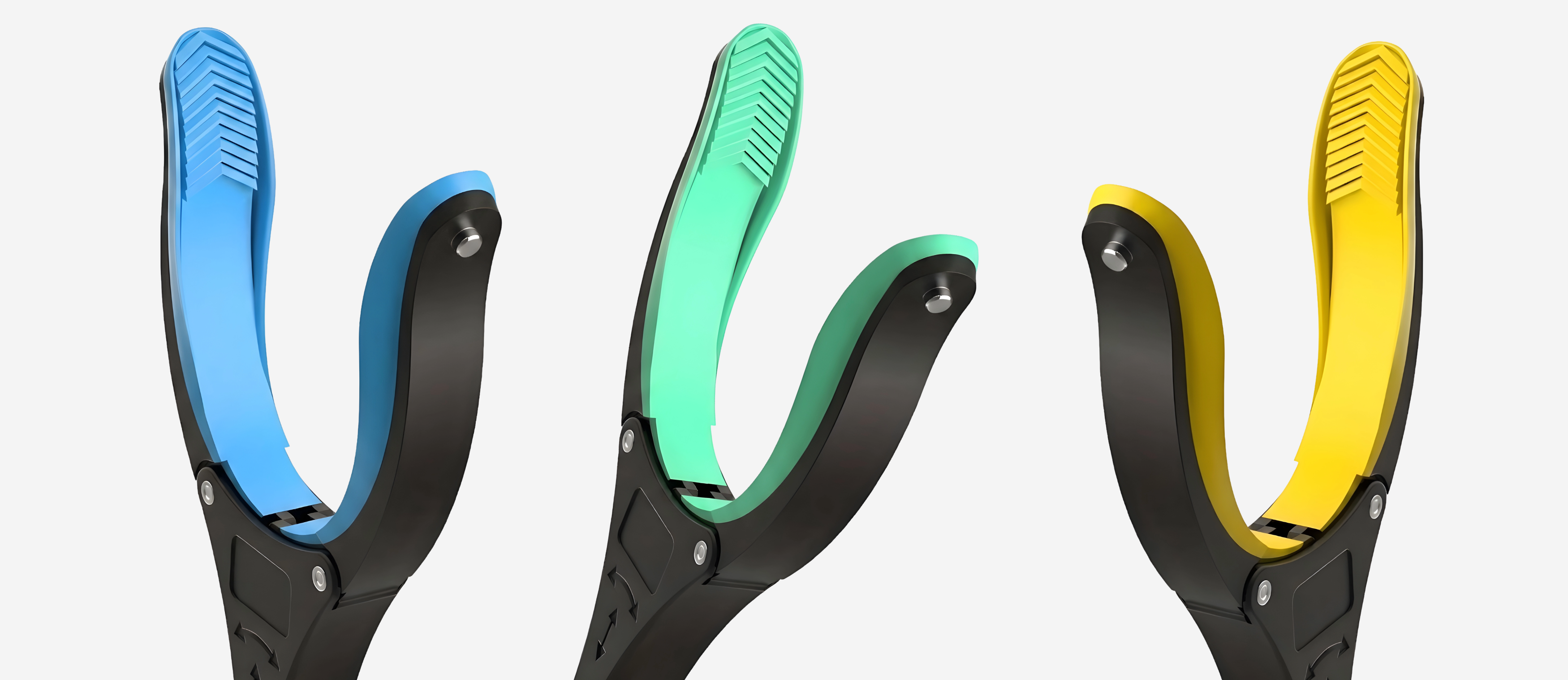
Direct answer: Research on home modification and adaptive equipment for aging in place shows: (1) home modification programs reduce falls in older adults by 20-40% depending on the intervention; (2) occupational therapy-led home visits with combined assessment and equipment provision are more effective than equipment provision alone; (3) early adoption of adaptive equipment before functional decline is more effective than reactive adoption after a fall or injury. The GrabbersTool Reacher and Electric Jar Opener address two of the most common functional limitations identified in aging-in-place research: floor retrieval safety and grip-dependent task difficulty.
What the Research Shows: Key Findings
- Home modification reduces falls: A Cochrane Review of home modification programs found that multifactorial interventions including environmental modification significantly reduce fall rates in community-dwelling older adults. OT-delivered programs were among the most effective.
- Equipment alone is insufficient: Studies consistently show that equipment provision without training and follow-up produces lower uptake and less benefit than combined OT assessment with equipment. Knowing what equipment to get is not enough -- knowing how and when to use it matters.
- Early adoption matters: Research on adaptive equipment adoption patterns finds that people who adopt equipment before crisis (before a fall, before severe functional decline) use equipment more consistently and derive more benefit from it than those who adopt after a crisis event.
- Independence is the goal: Studies of aging in place consistently find that maintaining independence in activities of daily living is more predictive of quality of life and care facility avoidance than any other single factor.
The evidence supports early investment in adaptive equipment as a preventive strategy, not just a reactive response to injury. The GrabbersTool 32-inch Reacher and Electric Jar Opener are the highest-evidence adaptive tools for the two most common aging-in-place functional limitations. Browse the full reacher collection and adaptive kitchen tools.


