

Sarcopenia — the progressive, age-related loss of skeletal muscle mass and strength — begins in the fourth decade and accelerates significantly after 60. The functional consequences are not dramatic initially: a slight reduction in grip strength, a slightly more effortful climb up stairs, slightly less reserve for physical tasks. But sarcopenia progresses continuously, and what is a minor inconvenience at 65 becomes a meaningful functional limitation at 75. More importantly, sarcopenia is not simply a weakening — it reduces the functional reserve that catches a fall, the grip strength that opens a jar, and the leg strength that enables the sit-to-stand transfer. These are exactly the functional domains that adaptive tools address.
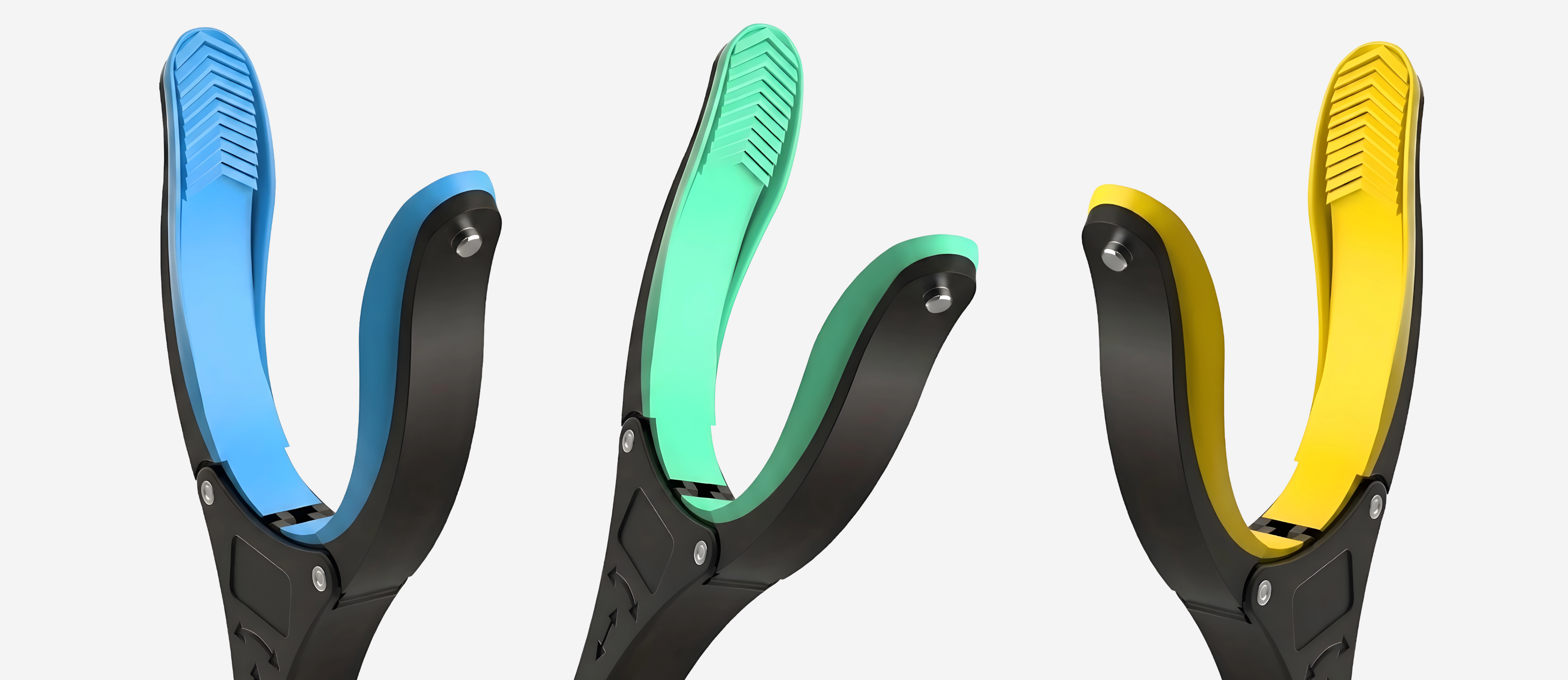
Direct answer: sarcopenia-related functional decline in community-dwelling older adults most commonly manifests as: reduced grip strength (jar and container opening becomes difficult), reduced leg and hip strength (sit-to-stand transfers become harder), and reduced balance reserve (fall risk increases). The GrabbersTool Electric Jar Opener addresses grip decline. The Standing Assist Tool addresses leg strength decline during transfers. The Reacher Grabber addresses the balance reserve reduction by eliminating movements (bending and rising) that require the stepping reflex and balance recovery that sarcopenia impairs.
The Sarcopenia Functional Decline Pattern
Research in sarcopenia epidemiology (Cruz-Jentoft et al., 2019 European Working Group on Sarcopenia in Older People) identifies the following functional threshold effects — points at which muscle loss crosses from subclinical to functionally significant:
- Grip strength: below approximately 27 kg (men) and 16 kg (women), grip strength is associated with increased disability, hospitalization, and mortality risk. Jar opening and container handling become reliably difficult below these thresholds.
- Gait speed: below 0.8 m/s, slow gait speed is associated with increased fall risk and functional decline. At this level, protective stepping during balance disturbances is also impaired.
- Chair stand test: inability to perform 5 chair stands in 12 seconds is associated with mobility limitation and increased fall risk.
When to Introduce Adaptive Tools in the Sarcopenia Trajectory
The correct time to introduce adaptive tools for sarcopenia is not when the threshold is crossed — it is before the threshold is approached, when the tools can be integrated as a convenience rather than adopted under functional crisis. The progressive nature of sarcopenia means that the jar that is difficult today will be impossible in three years. An electric jar opener acquired when the jar is merely difficult to open creates a smoother transition than acquiring it after a period of struggling, improvising, and occasional hand injuries from grip failure.
| Functional Indicator | Tool to Introduce | Timing Recommendation |
|---|---|---|
| First jars requiring two attempts to open | Electric Jar Opener | Now — at first sign of consistent difficulty |
| Bending for floor items feels effortful | Reacher Grabber | Before a bend-related fall, not after |
| Rising from chair requires arm push | Standing Assist Tool | At the first chair that regularly requires arm assistance |
| Walking on uneven surfaces feels uncertain | Walking Cane | Before the first outdoor uneven-surface fall |
The electric jar opener activation mechanism requires minimal grip force — the hand holds the jar body, not the lid. This is the specification most relevant to sarcopenic grip decline: the task is completed regardless of the grip strength decline level. View jar opener specifications
Sarcopenia and Exercise: The Complementary Relationship
Resistance exercise is the primary medical intervention for sarcopenia — progressive resistance training builds muscle mass and strength at any age, including in the eighth and ninth decade. Adaptive tools and exercise are complementary, not competing interventions:
- Adaptive tools maintain daily function during the period before exercise produces functional improvement
- Adaptive tools reduce the compensatory strain on other muscle groups that occurs when a sarcopenic person attempts tasks beyond their current strength capacity
- Adaptive tools allow energy conservation for exercise sessions by reducing the depletion caused by daily task difficulty
The person who uses an electric jar opener saves grip strength that can be directed to exercise rather than depleted on jar opening. This is the energy conservation logic applied to the sarcopenia-exercise relationship.
See also: Aging in Place: The Adaptive Tool Strategy That Actually Works and Fall Prevention at Home: What Adaptive Tools Actually Reduce Risk.
Browse Easy Grip Kitchen Openers, Reacher Grabber Tools, and Ergonomic Mobility for the full sarcopenia-adaptive tool range.


