

Spinal stenosis produces a counterintuitive symptom pattern that distinguishes it from other back conditions: extension (standing upright, walking) worsens symptoms, while flexion (sitting, leaning forward) relieves them. The classic picture is a patient who can walk one block before leg pain and weakness force a rest, but who can shop for hours pushing a cart bent slightly forward. This positional dependency makes kitchen tasks uniquely problematic: standing at a counter is an extension-loaded posture. The 20 minutes of upright meal preparation required for most cooking tasks may be the daily activity that most reliably triggers neurogenic claudication symptoms.
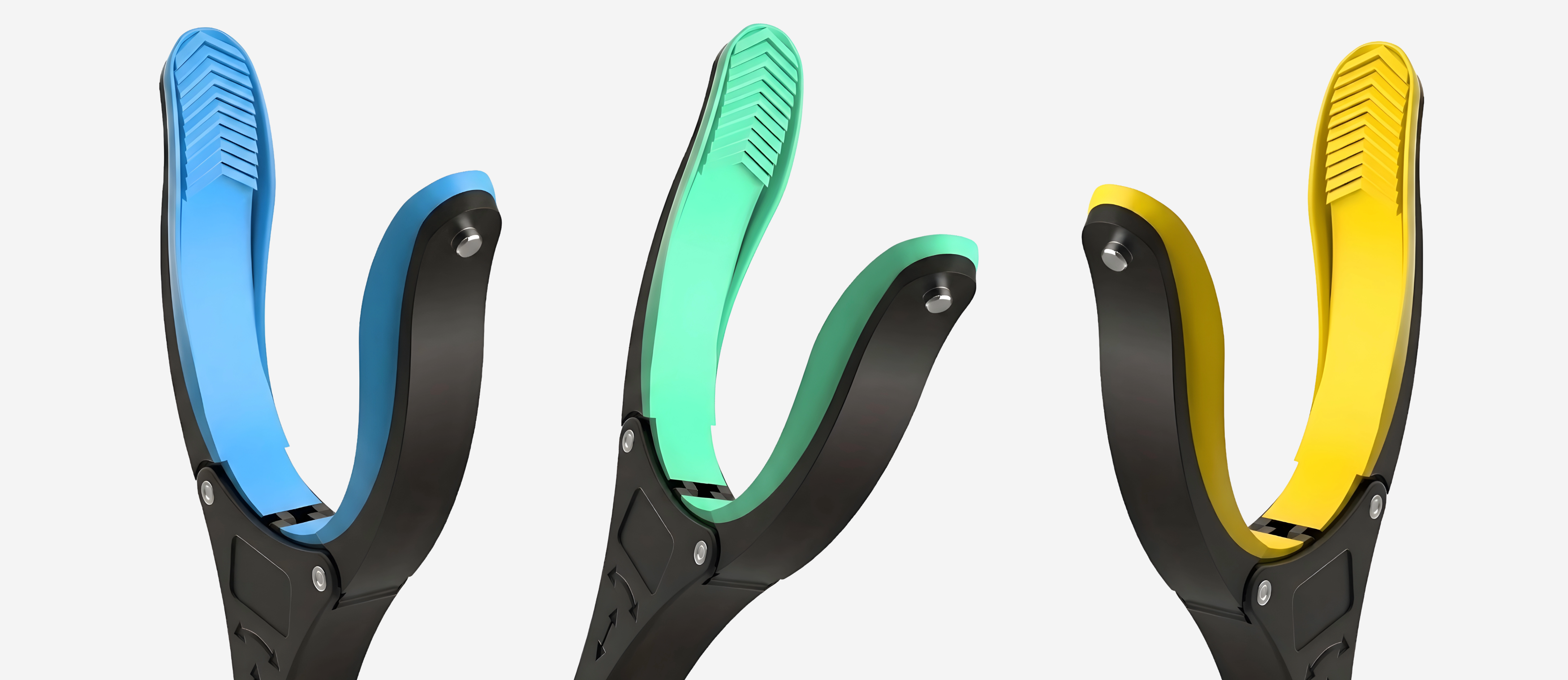
Direct answer: for spinal stenosis, adaptive kitchen tools reduce the total time spent standing at countertop height by making each individual task faster and less effortful. The GrabbersTool Electric Jar Opener and Electric Can Opener convert what would be multi-attempt, multi-minute manual opening tasks into sub-30-second automated operations. For floor-level tasks, the Reacher Grabber allows retrieval without the standing-then-bending sequence that loads the stenotic spine through extension-to-flexion range.
Spinal Stenosis and Cooking Posture
The relief posture for lumbar stenosis is spinal flexion -- why shopping cart walking works. Applied to cooking, this means stool-based cooking (seated at counter height), forward-lean cooking with counter support, or sitting at a table with table-height preparation. The adaptive tool contribution to this posture strategy is indirect but significant: if a jar opener takes 90 seconds of upright effort instead of 15 seconds automated, those 75 seconds of additional standing affect cumulative symptom load. For a patient whose standing tolerance is 10-15 minutes, a kitchen with manual openers may exhaust that window before cooking is complete. Electric openers are a time compression tool as much as a strength tool.
Task Prioritization for Stenosis Patients
| Task Category | Stenosis Challenge | Adaptive Tool Strategy |
|---|---|---|
| Container opening (jars, cans) | Sustained upright effort -- extension-loaded standing | Electric Jar Opener + Electric Can Opener -- rapid completion |
| Floor item retrieval | Extension-to-flexion sequence -- transitional pain | Reacher Grabber -- eliminates bend |
| High shelf retrieval | Extension increases with upward reach | 43-inch Reacher -- reduces full arm raise |
| Rising from seated position | High load during extension phase | Standing Assist Tool -- controlled rise with upper limb support |
| Walking stability | Fatigue from neurogenic claudication creates fall risk | Walking Cane -- forward-lean support matches relief posture |
Product specifications, dimensions, and weight ratings are available on each product page. View Standing Assist Tool specifications.
Stenosis vs. Disc Herniation: Different Adaptive Needs
Spinal stenosis and disc herniation both cause back and leg pain but have opposite positional patterns. Disc herniation worsens with flexion (sitting, bending) and often improves with extension (standing). Stenosis worsens with extension and improves with flexion. This distinction matters for adaptive tool selection: a disc herniation patient may do well standing to cook (extension relief) but struggle with seated tasks; a stenosis patient is the reverse. Evaluating adaptive needs by diagnosis, not by symptom category alone, gives more accurate tool recommendations. An occupational therapist familiar with the patient's specific imaging findings and functional limitations is the appropriate source for individualized recommendations. See also: Degenerative Disc Disease: Adaptive Tools for Flare Management.
Cervical Stenosis: Upper Limb Adaptive Considerations
Lumbar stenosis is the most common presentation, but cervical stenosis creates upper limb symptoms -- grip weakness, hand numbness, fine motor loss -- that affect kitchen tasks differently. Cervical stenosis with myelopathy may produce grip that is both weak and unreliable, making jar and can opening hazardous as well as difficult. Electric openers address this cervical presentation: the electric jar opener operates on palm contact rather than finger grip, and the electric can opener eliminates lever gripping entirely. GrabbersTool customers with cervical myelopathy report that electric kitchen openers become daily-use items rather than occasional aids.
Browse Easy Grip Kitchen Openers and Ergonomic Mobility Solutions.


