

GrabbersTool customer service hears a question that almost no adaptive tool guide addresses directly: how long will this tool last? For most consumer goods, durability is a secondary concern. For adaptive tools used multiple times every day by people for whom the tool is a functional necessity, durability is central. A reacher that fails after six months is not an inconvenience -- it is a functional crisis for a person who cannot bend to the floor without it. The durability standards that matter for adaptive tools are different from those that matter for occasional-use products.
Direct answer: for adaptive tool durability assessment, the key factors are: construction materials (fiberglass-reinforced frames outlast plastic in reachers), motor quality in electric appliances (commercial-grade motors handle daily use that consumer motors may not sustain), and joint stress patterns (how the tool flexes under load over thousands of uses). GrabbersTool selects products based on real-use durability requirements, not casual consumer use assumptions.
Durability Factors by Product Category
| Product Category | Key Durability Factor | What to Look For |
|---|---|---|
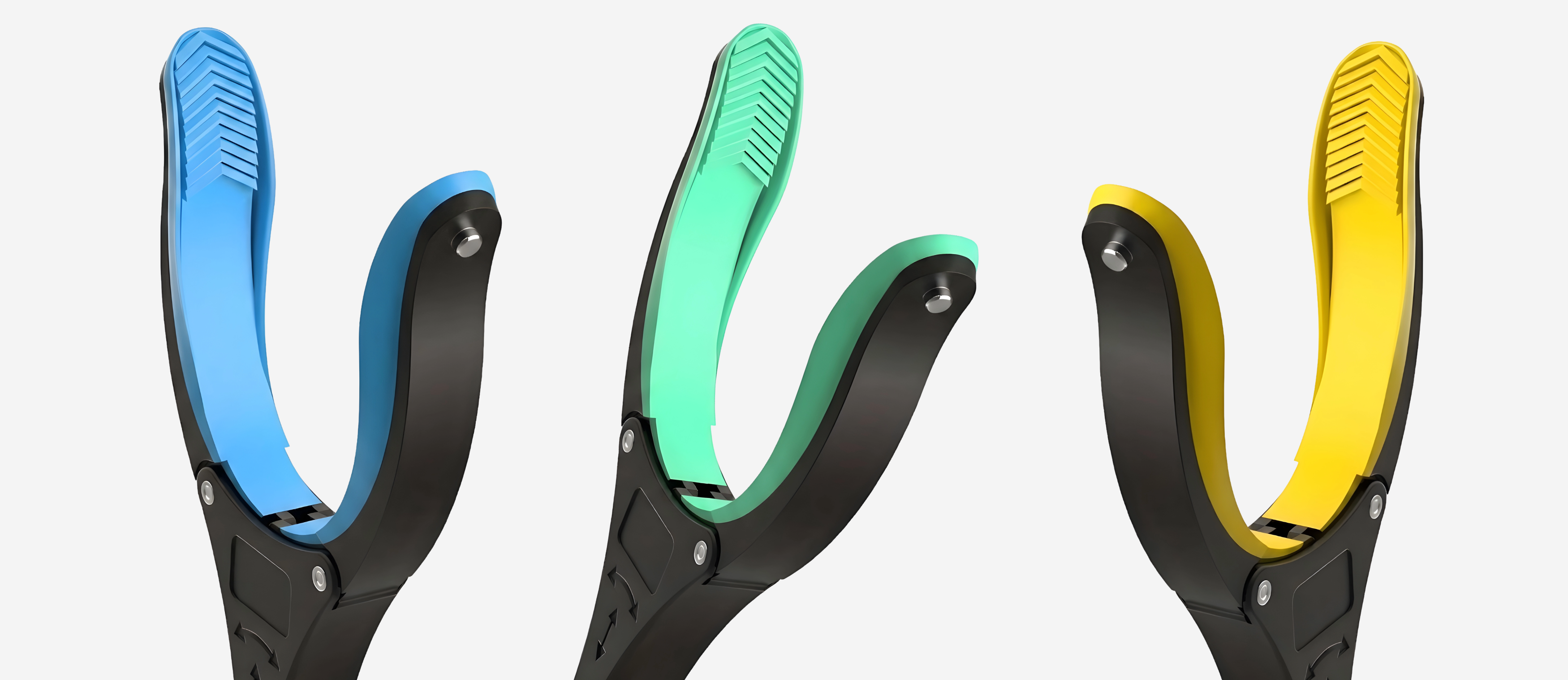
| Reacher Grabber | Frame rigidity under lateral load; jaw closing mechanism; grip surface wear | Non-flex frame material; metal-reinforced jaw mechanism; rubber grip that does not crack with repeated use |
| Electric Jar Opener | Motor performance over repeated cycles; jar fit mechanism; battery/charging system longevity | Motor that handles varied jar lid sizes; secure mounting when in use; charging indicator that remains accurate |
| Electric Can Opener | Blade sharpness retention; gear mechanism durability; motor under sustained use | Replaceable blade if the mechanism allows; gear quality that does not strip under load; motor that handles large cans |
| Walking Cane | Shaft rigidity under body weight; tip wear rate; height adjustment locking mechanism | Aluminum or carbon shaft for rigidity-to-weight; tip replacement availability; locking mechanism that does not slip |
| Standing Assist Tool | Weight capacity over repeated use; frame joint durability; padding longevity | Weight rating well above the user weight; welded or reinforced joints; padding that does not compress permanently |
Full specifications and weight ratings for all GrabbersTool products are on each product page. View Reacher Grabber specifications.
Daily Use vs. Occasional Use Standards
The adaptive tool market contains products designed for occasional or light use alongside products designed for the daily functional dependence that characterizes the most common GrabbersTool customer scenarios. A reacher used once a week by someone recovering from a minor injury can be a lower-quality product than a reacher used 10 times daily by someone with ankylosing spondylitis for whom it is a permanent tool. GrabbersTool calibrates its product selection to the daily-use standard because that is the relevant durability benchmark for the customer base. Customers who use a tool daily report wear patterns and failure modes that customers who use it occasionally never encounter, and product selection based on daily-use feedback is more reliable than selection based on short-term testing.
When to Replace Adaptive Tools
GrabbersTool customers ask about replacement timing more than about initial purchase timing -- because adaptive tool replacement is often deferred long after the tool has become unreliable, because the prospect of being without the tool during a replacement period is stressful. GrabbersTool recommends replacing adaptive tools when: (1) a reacher jaw no longer closes fully at moderate grip pressure; (2) an electric jar opener fails to grip a standard jar lid on the first attempt consistently; (3) a walking cane tip shows uneven wear that changes the cane angle; (4) a standing assist frame feels unstable or shows visible frame fatigue. None of these failure modes announce themselves dramatically -- they develop gradually and are best caught before the tool fails during use. Purchasing a replacement before the current tool fails, then transitioning, is the lowest-risk approach for tools on which daily independence depends. See also: GrabbersTool Product Comparison Guide.
Browse Reacher Grabber Tools, Easy Grip Kitchen Openers, and Ergonomic Mobility Solutions.


