

Cancer-related fatigue is the most common and most disabling symptom of cancer treatment — reported by 70-100% of patients receiving chemotherapy or radiation. It is qualitatively different from normal tiredness: it is not resolved by rest, it does not correlate with treatment intensity in a predictable way, and it can persist for months after treatment ends. For patients managing treatment alongside daily living responsibilities, cancer-related fatigue transforms ordinary tasks into depleting efforts. Adaptive tools that reduce the physical cost of unavoidable daily tasks are not a concession to illness — they are a practical energy conservation strategy that preserves capacity for higher-priority activities including treatment compliance itself.
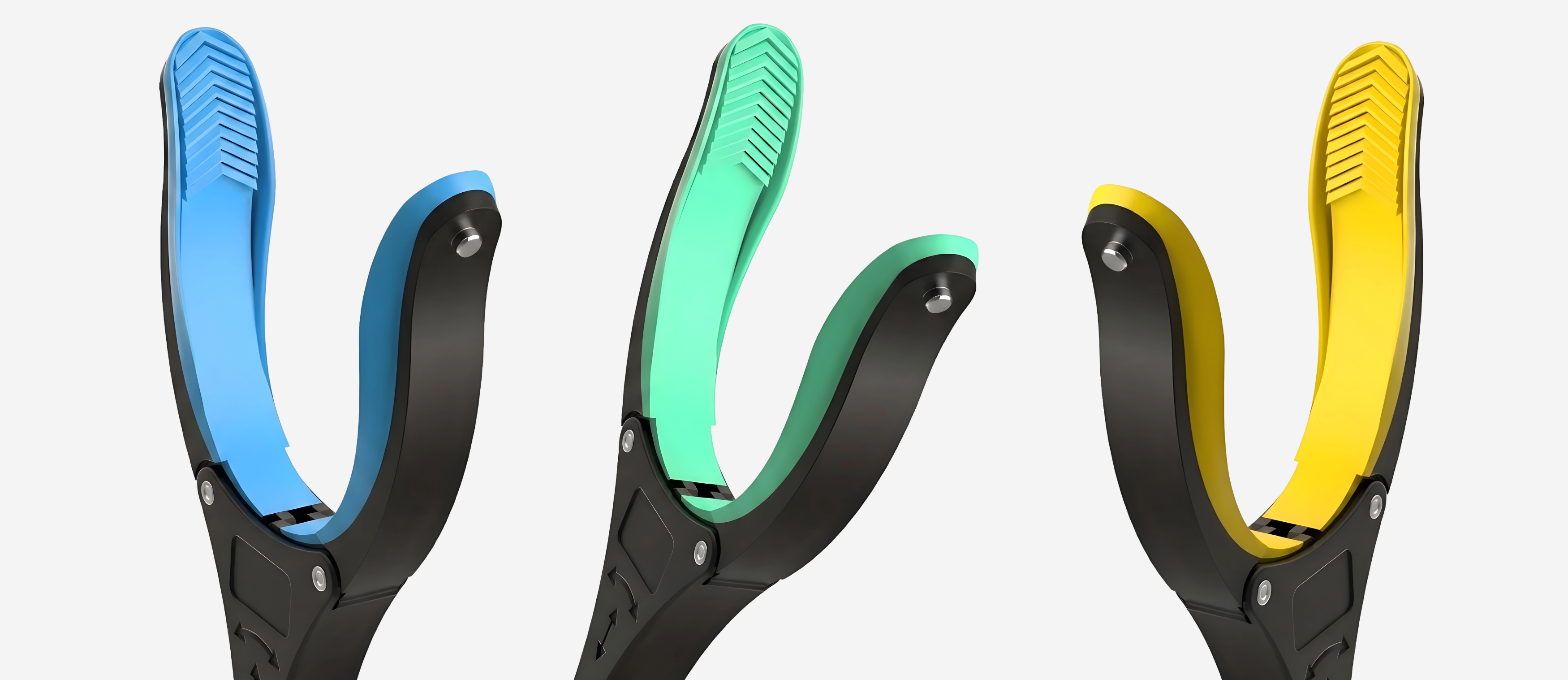
Direct answer: for patients in active cancer treatment, the adaptive tools that most reliably reduce daily physical load are: the GrabbersTool Electric Jar Opener and Electric Can Opener (kitchen tasks during treatment require eating despite fatigue — removing grip-intensive task barriers supports nutrition compliance), the Reacher Grabber (eliminates floor-stooping that amplifies fatigue and risks balance in neuropathy-affected patients), and the Standing Assist Tool (the sit-to-stand transfer on low-energy days requires assistance to maintain safe independence).
Cancer Treatment Functional Challenges: The Multi-Mechanism Problem
Cancer treatment produces functional limitation through multiple simultaneous mechanisms, which is why it is more disabling than any single mechanism alone:
- Cancer-related fatigue: disproportionate, persistent exhaustion not relieved by rest; affects all physical tasks
- Chemotherapy-induced peripheral neuropathy (CIPN): numbness and reduced grip feedback in hands and feet; affects kitchen safety and balance
- Anemia from treatment: reduces oxygen delivery and physical capacity, amplifying fatigue and reducing exercise tolerance
- Steroid-induced muscle changes: some chemotherapy protocols include steroids that cause specific muscle weakness patterns
- Immune suppression periods: during nadir (lowest white blood cell count), patients are restricted from activities that risk infection — including contact with dirty surfaces and certain food preparation tasks
Nutrition During Treatment: Why Kitchen Access Matters
Maintaining adequate nutrition during cancer treatment is clinically important — malnutrition worsens treatment outcomes, increases toxicity, and delays recovery. For patients experiencing treatment-related fatigue and nausea, food preparation becomes a high-barrier activity. Reducing the barrier of container access — particularly for the high-protein, nutrient-dense foods that oncology dietitians recommend — directly supports nutrition compliance.
| Nutritional Food Type | Container Challenge | Adaptive Solution |
|---|---|---|
| Protein shakes and supplements | Bottle caps on fatigued treatment days | 5-in-1 Multi-Opener for bottle tops |
| Canned beans, tuna, chicken | Manual can opener — sustained grip with neuropathy | Electric Can Opener — one placement, automatic |
| Nut butters, condiments in jars | Jar lid — grip and rotation with fatigue | Electric Jar Opener — motorized, minimal effort |
| Fruit and vegetable cans | Same as protein cans | Electric Can Opener |
Electric opener specifications — activation button force, weight of the device, and compatible container sizes — are on the product pages. For patients experiencing hand weakness from neuropathy or fatigue, the button activation force is the critical specification: a high-force button press may not be achievable on a low-energy treatment day. View jar opener specifications
Fall Risk During Treatment
Cancer treatment significantly elevates fall risk through multiple mechanisms: peripheral neuropathy reducing balance feedback, anemia causing dizziness with positional changes, muscle weakness, and cognitive effects of some chemotherapy agents. The floor-retrieval task — bending and rising — requires the balance recovery system (stepping reflex) that is compromised in neuropathy and low blood pressure states. The reacher grabber eliminates this movement entirely for dropped objects, reducing the fall risk exposure that occurs multiple times daily.
Post-Treatment Recovery: The Extended Adaptive Period
Cancer-related fatigue and CIPN often persist well beyond the end of treatment — months in many cases, and sometimes longer. The adaptive tools purchased during treatment do not become obsolete at the end of the treatment course; they address the post-treatment recovery period when fatigue and neuropathy symptoms may still limit daily function. GrabbersTool products purchased during treatment continue to provide value throughout the post-treatment recovery phase.
See also: Peripheral Neuropathy and Grip Safety: Why Numbness Makes Kitchen Tools Dangerous and Post-COVID Fatigue and Daily Living: When Energy Conservation Becomes Essential.
Browse Easy Grip Kitchen Openers and Reacher Grabber Tools for the full range suited to cancer treatment daily living management.


