

Leg swelling and edema -- fluid accumulation in the legs causing swelling -- is a common problem across many conditions that affects comfort and function, including kitchen tasks. Leg swelling and edema result from many causes: venous insufficiency (poorly functioning leg vein valves -- a very common cause, with swelling worsening with prolonged standing and improving with elevation), heart failure (fluid retention causing peripheral edema), kidney disease (fluid retention), lymphedema (impaired lymphatic drainage -- from primary causes, or secondary to cancer treatment, surgery, or other causes), medication effects (some medications cause edema), prolonged standing or sitting (dependent edema), pregnancy, and other causes. The leg swelling causes: leg heaviness, discomfort, and aching (particularly with prolonged standing and as the day progresses), reduced comfort and tolerance for standing (prolonged standing worsens dependent edema and discomfort), skin changes and, in chronic cases, skin problems and wound risk (particularly in venous insufficiency and lymphedema), and in some conditions, an indication of the underlying condition activity (heart failure, kidney disease). A key management strategy for leg swelling (particularly dependent and venous edema) is leg elevation -- elevating the legs (ideally above heart level) helps the fluid drain and reduces the swelling; prolonged standing worsens the swelling, while elevation reduces it. Compression (compression stockings or garments) is also important for many causes. Kitchen tasks traditionally require prolonged standing, which worsens leg swelling and discomfort, and conflicts with the leg elevation that helps. Kitchen function with leg swelling is affected by the standing worsening the swelling and discomfort, and the benefit of leg elevation. Adaptive strategies center on seated kitchen preparation with leg elevation. This guide covers kitchen adaptation for leg swelling and edema.
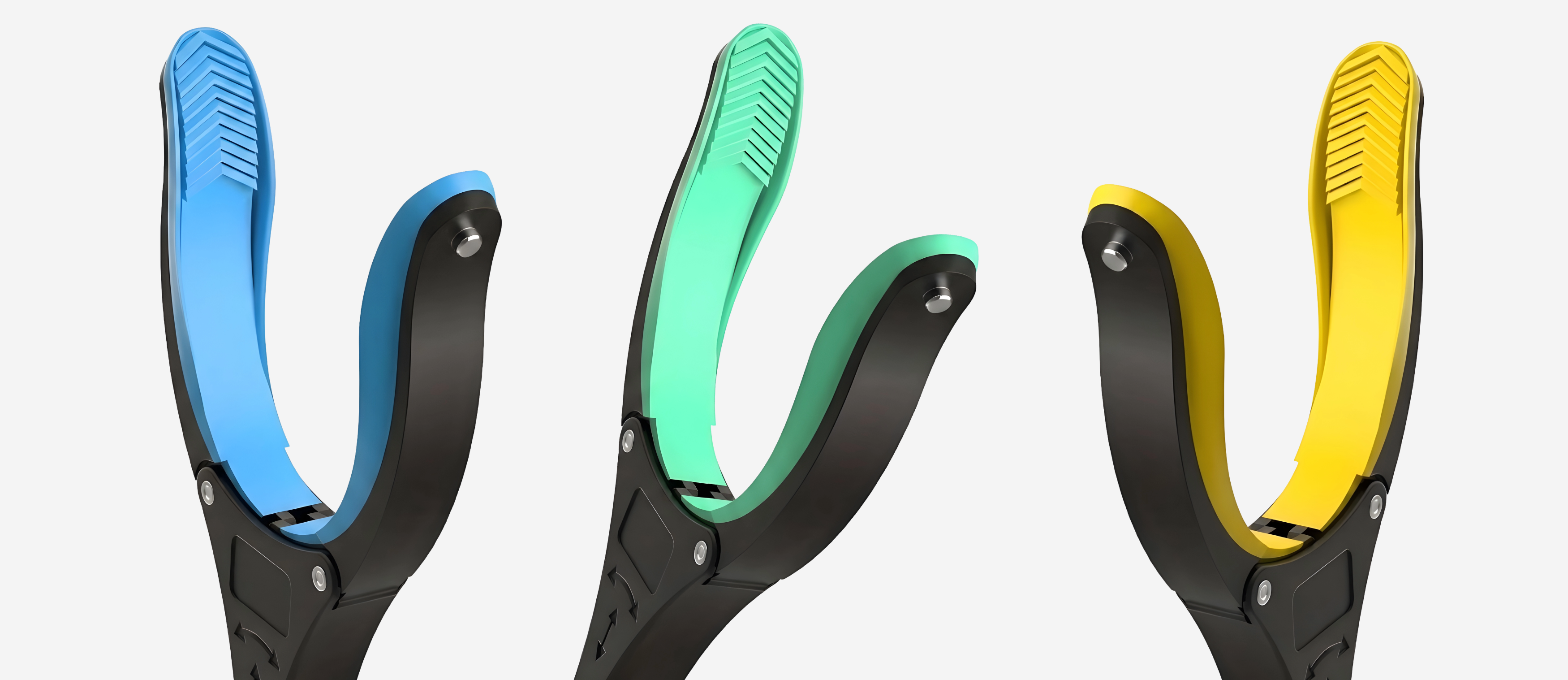
Direct answer: Leg swelling and edema kitchen adaptation centers on seated kitchen preparation with leg elevation -- sitting while working (reducing the standing that worsens swelling) and elevating the legs (which reduces swelling) -- alongside compression and reduced standing. The GrabbersTool 32-inch Reacher supports seated kitchen function by retrieving items without standing, enabling the seated, leg-elevated preparation that helps leg swelling.
Leg Swelling and Edema Kitchen Adaptive Strategy
| Edema Consideration | Kitchen Impact | Adaptive Solution |
|---|---|---|
| Prolonged standing worsening swelling and discomfort | Prolonged standing worsens leg swelling and discomfort -- kitchen tasks traditionally require prolonged standing (at counters, the stove, and the sink), which worsens the dependent leg swelling (the fluid pools in the legs with standing) and increases the leg heaviness, aching, and discomfort; the swelling and discomfort worsen through prolonged standing and as the day progresses; kitchen standing conflicts with the swelling management (which benefits from reduced standing and leg elevation); the prolonged standing requirement of kitchen tasks worsens the leg swelling; reducing the standing helps the swelling | Seated kitchen preparation to reduce the prolonged standing that worsens leg swelling (a kitchen stool or perch to sit while working -- reducing the standing burden on the legs); the seated preparation reduces the swelling-worsening standing; alternate sitting and standing (minimize prolonged standing); reduce kitchen walking and standing (organize the kitchen to minimize standing and moving; use the reacher to retrieve items without standing and walking); the seated preparation and reduced standing help manage the leg swelling during kitchen tasks |
| Leg elevation for swelling management | Leg elevation is a key strategy for leg swelling (particularly dependent and venous edema) -- elevating the legs (ideally above heart level) helps the fluid drain and reduces the swelling; the leg elevation conflicts with standing kitchen tasks (standing is the opposite of elevation); incorporating leg elevation during kitchen tasks (where possible) and during breaks helps manage the swelling; the benefit of leg elevation is a key consideration for kitchen tasks with leg swelling; balancing the necessary kitchen function with the leg elevation that helps the swelling | Incorporate leg elevation during seated kitchen preparation where possible (a seat with a footrest or a way to elevate the legs while working seated -- elevating the legs helps the swelling; elevate the legs during kitchen breaks and after kitchen tasks); the reacher (GrabbersTool) enables the seated, leg-elevated preparation by retrieving items without standing; slow cooker and prepared meals to minimize the standing kitchen time (allowing more leg elevation); the leg elevation during and around kitchen tasks helps manage the swelling; balance the kitchen function with leg elevation; the seated, leg-elevated approach supports the swelling management |
| Compression, skin care, and edema management | Compression (compression stockings or garments) is important for many causes of leg swelling (venous insufficiency, lymphedema) -- helping control the swelling; skin care is important (particularly in venous insufficiency and lymphedema, where chronic swelling causes skin changes and wound risk -- protecting the skin and legs); the underlying condition management is important (heart failure, kidney disease, venous insufficiency, lymphedema -- each has specific management); in the kitchen, protecting the legs and feet (given any skin fragility and reduced healing) and the swelling management measures apply; the combination of the seated leg-elevated approach, compression, skin care, and condition management supports kitchen function and swelling management | Wear compression stockings or garments as prescribed (helping control the swelling during kitchen tasks); leg and foot skin care and protection in the kitchen (protect the legs and feet given any skin fragility and wound risk -- particularly in venous insufficiency and lymphedema; closed-toe protective footwear; avoid leg injuries); the underlying condition management (per physician -- for heart failure, kidney disease, venous insufficiency, lymphedema, and other causes); the seated leg-elevated kitchen approach, compression, skin care, and condition management together support kitchen function and swelling management; for heart failure and kidney disease, the swelling also relates to the condition management (fluid and sodium -- per the physician); the adaptive strategies support kitchen function with leg swelling |
See the 32-inch Reacher for leg swelling and edema kitchen seated-reach support, enabling seated leg-elevated preparation.


