

Peripheral arterial disease (PAD) is a common circulatory condition in which narrowed arteries (from atherosclerosis -- the buildup of plaque) reduce blood flow to the limbs, most commonly the legs. Reduced blood flow to the legs causes symptoms particularly with activity, when the muscles demand more blood flow than the narrowed arteries can supply. The hallmark symptom of PAD is intermittent claudication -- leg pain, cramping, aching, or fatigue in the leg muscles (typically the calves, but also the thighs or buttocks depending on the location of the arterial narrowing) that is brought on by walking or activity and relieved by rest; the pain occurs because the exercising muscles do not get enough blood flow; the walking distance before the claudication pain (the claudication distance) is a measure of severity. In more severe PAD (critical limb ischemia), pain can occur at rest, and there can be non-healing wounds and tissue damage. PAD is associated with cardiovascular risk factors (smoking, diabetes, high blood pressure, high cholesterol) and indicates widespread atherosclerosis (with increased cardiovascular risk). PAD is managed with risk factor management (smoking cessation, and management of diabetes, blood pressure, and cholesterol), supervised exercise therapy (walking programs -- which paradoxically improve claudication over time), medications, and in some cases procedures (angioplasty, stenting, or bypass) for severe disease. Kitchen function in PAD is affected by: claudication leg pain with walking and standing (kitchen walking and prolonged standing provoke the leg pain and fatigue -- limiting kitchen mobility and standing tolerance), and reduced walking and standing tolerance. Adaptive tools and strategies reduce the walking and standing burden of kitchen tasks. This guide covers kitchen adaptation for PAD.
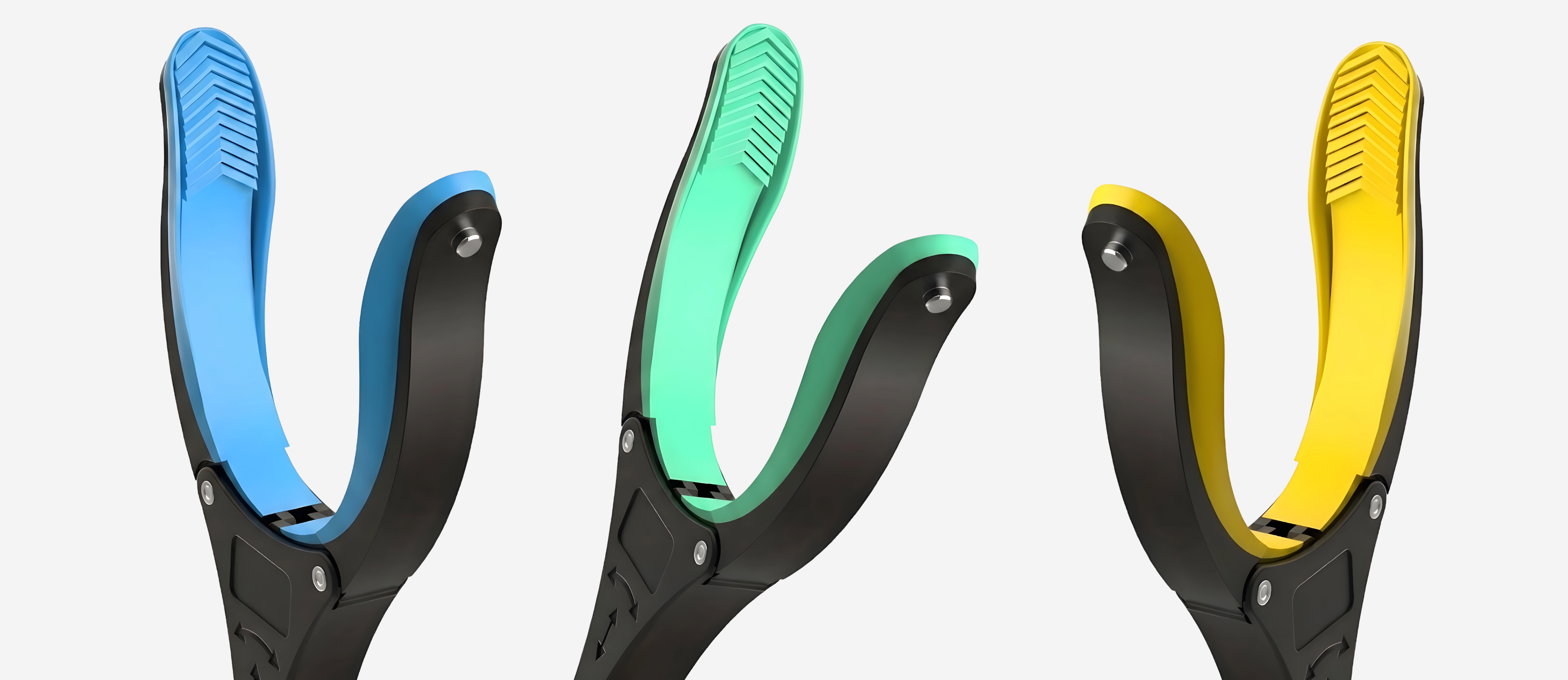
Direct answer: Peripheral arterial disease kitchen adaptive tools address claudication leg pain with walking and standing: seated preparation and reduced kitchen walking to limit the leg pain, and reachers to reduce walking. The GrabbersTool 32-inch Reacher reduces the kitchen walking that provokes PAD claudication leg pain by retrieving items without walking to them, and kitchen seating reduces the standing burden.
Peripheral Arterial Disease Kitchen Adaptive Strategy
| PAD Feature | Kitchen Impact | Adaptive Solution |
|---|---|---|
| Claudication leg pain with kitchen walking | PAD intermittent claudication causes leg pain (cramping, aching, or fatigue in the calves, thighs, or buttocks) brought on by walking -- kitchen walking (moving between the counter, stove, sink, and refrigerator, and around the kitchen) provokes the claudication leg pain; the walking distance before the pain (the claudication distance) limits kitchen walking; the leg pain forces rest; kitchen tasks that require walking and moving around the kitchen provoke the claudication; the walking-induced leg pain is the hallmark PAD kitchen limitation; reducing the kitchen walking reduces the claudication pain | Reduce kitchen walking to limit the claudication pain (organize the kitchen so frequently used items are within a compact zone, minimizing walking; use the reacher to retrieve items without walking to them; use a wheeled cart to transport items rather than multiple walking trips; prepare items in one location to minimize moving around); reacher grabber (GrabbersTool 32-inch) to retrieve items without the walking that provokes claudication; the reduced kitchen walking limits the claudication leg pain; rest when the claudication pain occurs (the pain is relieved by rest); the walking reduction addresses the claudication |
| Standing tolerance and leg symptoms | PAD can affect standing tolerance -- prolonged standing may provoke leg discomfort and fatigue (the legs with reduced blood flow), and the overall leg symptoms limit standing; kitchen standing at counters and the stove may be limited by the leg symptoms; in more severe PAD, rest pain and tissue problems are concerns; the leg symptoms affect kitchen standing and mobility; the reduced standing tolerance limits kitchen tasks; the standing and leg symptoms are PAD kitchen considerations alongside the walking claudication | Seated kitchen preparation to reduce the standing burden on the legs (a kitchen stool or perch to sit while working -- reducing the standing that may provoke leg discomfort); alternate sitting and standing; the seated preparation reduces the standing leg burden; for leg swelling or specific positioning, appropriate seating; the seated preparation and reduced standing address the standing tolerance; the reacher reduces both the walking and the reaching/bending that require standing and moving; the adaptations reduce the walking and standing leg burden of kitchen tasks |
| PAD management, foot care, and kitchen support | PAD management is important -- risk factor management (smoking cessation is critical; and management of diabetes, blood pressure, and cholesterol), supervised exercise therapy (walking programs improve claudication over time -- an important treatment), medications, and procedures for severe disease; PAD indicates widespread atherosclerosis with increased cardiovascular risk (the management addresses this); foot care is important in PAD (reduced blood flow impairs healing -- foot injuries and wounds are a concern, particularly with diabetes -- protect the feet); the kitchen supports heart-healthy nutrition (part of the cardiovascular risk management); the combination of adaptive tools and PAD management supports kitchen function and health | The adaptive tools (reacher, seated preparation, reduced walking) reduce the kitchen leg burden while the PAD is managed; foot care and protection in the kitchen (protect the feet -- closed-toe protective footwear, avoid foot injuries given the impaired healing in PAD, particularly with diabetes; never barefoot); heart-healthy kitchen nutrition (part of the PAD cardiovascular risk management -- the kitchen supports the heart-healthy diet); PAD management (risk factor management -- especially smoking cessation, supervised exercise therapy, medications, and procedures for severe disease -- per physician); the supervised walking exercise therapy (important for PAD) is separate from the kitchen but improves claudication over time; the adaptive tools and PAD management support kitchen function and health |
See the 32-inch Reacher for peripheral arterial disease kitchen walking reduction and claudication support.


