

Parkinson disease (PD) is a progressive neurodegenerative disorder caused by the loss of dopaminergic neurons in the substantia nigra, leading to dopamine deficiency in the basal ganglia motor circuits. The cardinal motor features (the classic parkinsonian tetrad) are: resting tremor (a 4-6 Hz tremor most prominent at rest and diminishing with voluntary movement -- classically a pill-rolling tremor of the hand, typically beginning unilaterally); rigidity (increased muscle tone with a cogwheel or lead-pipe quality); bradykinesia (slowness of movement, with reduced amplitude and speed -- the most functionally significant PD motor feature, causing difficulty initiating and executing movements, reduced dexterity, and micrographia); and postural instability (impaired balance developing in later PD, causing falls). Additional PD features: freezing of gait (sudden, transient inability to move the feet, especially when starting to walk, turning, or approaching doorways); festination (involuntary acceleration of gait); reduced facial expression (hypomimia); soft speech (hypophonia); and numerous non-motor symptoms (constipation, orthostatic hypotension, REM sleep behavior disorder, depression, cognitive changes, and dementia in advanced PD). PD symptoms fluctuate with medication (levodopa) timing -- on periods (good medication effect, better mobility) and off periods (medication wearing off, worse symptoms). Kitchen function in PD is affected by bradykinesia (slow, small movements impairing kitchen tasks), rigidity (stiffness reducing kitchen movement), tremor (though resting tremor diminishes during active kitchen tasks, it affects some kitchen activities), freezing and balance (kitchen mobility and fall risk), and medication fluctuations.
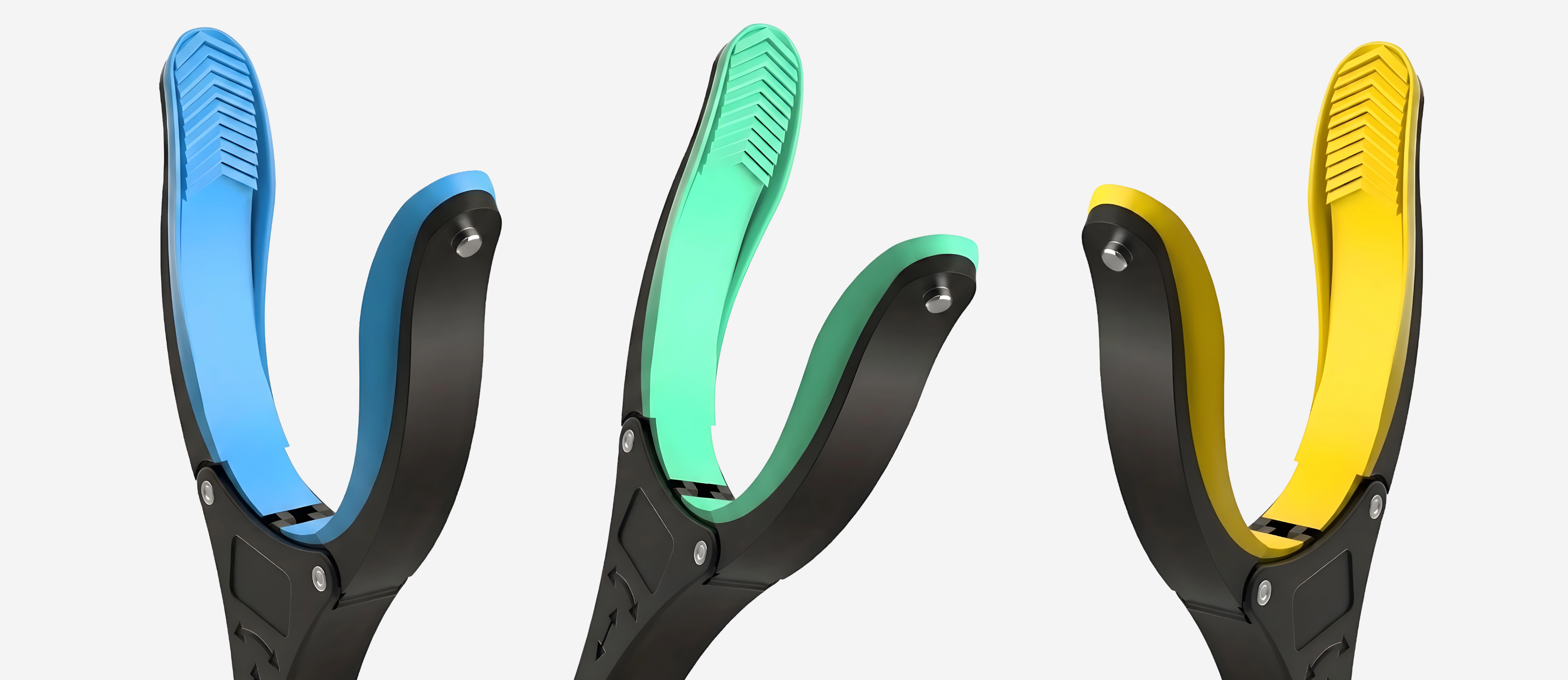
Direct answer: Parkinson disease kitchen adaptive tools address bradykinesia and rigidity (electric tools reducing movement demands, weighted utensils for stability), freezing and balance (kitchen seating, fall prevention), and medication timing. The GrabbersTool Electric Jar Opener compensates for PD bradykinesia, rigidity, and reduced hand dexterity that make the coordinated grip-and-twist of jar opening slow and difficult.
Parkinson Disease Kitchen Adaptive Strategy
| Parkinson Feature | Kitchen Impact | Adaptive Solution |
|---|---|---|
| Bradykinesia and rigidity affecting kitchen dexterity and movement | PD bradykinesia (slowness and reduced amplitude of movement) makes kitchen tasks slow and effortful -- reduced hand dexterity impairs fine motor kitchen tasks (buttoning appliance controls, manipulating small items, precise food handling), and the slowness extends the time needed for meal preparation; rigidity (muscle stiffness) reduces the range and ease of kitchen movements and causes fatigue; bradykinesia impairs the coordinated grip-and-twist of jar opening; reduced movement amplitude affects reaching and stirring; PD micrographia (small handwriting) reflects the same reduced-amplitude movement affecting kitchen fine motor tasks; these symptoms worsen during medication off periods | Electric jar opener (GrabbersTool) for PD bradykinesia and rigidity -- mechanizes the jar opening that slow, stiff PD hand movements make difficult; electric appliances (can opener, food processor) to reduce PD fine motor demands; large-handle and adapted kitchen tools for reduced PD dexterity; allow extra time for kitchen tasks (do not rush, which worsens PD movement); schedule kitchen tasks during medication on periods (better mobility); weighted utensils for stability; occupational therapy for PD kitchen adaptive strategies; levodopa and PD medication optimization per neurologist to maximize on time for kitchen activities |
| Tremor and coordination affecting kitchen precision tasks | PD resting tremor is most prominent at rest and characteristically diminishes during voluntary movement -- so it interferes less with active kitchen tasks than the action tremor of essential tremor; however, PD tremor can affect kitchen tasks during pauses and postural holding, and some PD patients have a re-emergent postural tremor or action tremor component; tremor affects pouring, carrying full containers (spilling), and holding items steady; the combination of tremor with bradykinesia and rigidity impairs overall kitchen hand function; tremor worsens with stress and anxiety, which kitchen time pressure can provoke; tremor and reduced dexterity affect utensil use during eating | Weighted kitchen utensils and weighted tools (added weight dampens PD tremor and improves control); reduce fill levels of cups and containers to limit spilling from PD tremor; two-handed technique for carrying and pouring; stabilize the arm on the counter during precise kitchen tasks; electric tools to reduce tremor-affected manual tasks; anti-spill cups and containers with lids; eat with elbows supported to reduce tremor during meals; PD medication optimization reduces tremor; deep brain stimulation for medication-refractory PD tremor |
| Freezing of gait, balance, and kitchen fall safety | PD freezing of gait (sudden inability to move the feet) commonly occurs when starting to walk, turning, navigating tight spaces, and approaching doorways -- all common in the kitchen; freezing while carrying kitchen items (hot liquids, knives) is dangerous; PD postural instability (impaired balance in later PD) causes falls -- a major PD complication; kitchen turning and pivoting (frequent during cooking) provoke both freezing and balance loss; the narrow spaces between kitchen counters and appliances are freezing triggers; PD festination (accelerating gait) can cause loss of control; kitchen falls in PD are a serious injury risk | Seated kitchen preparation to reduce PD freezing and balance fall risk during meal preparation; visual and auditory cueing strategies for PD freezing (stepping over a line, rhythmic counting) to overcome freezing episodes in the kitchen; keep kitchen pathways clear and wide to reduce freezing triggers; avoid carrying hot liquids or sharp items while walking with PD (freezing and fall risk -- use a wheeled cart or slide items along counters); non-slip kitchen surfaces and handrails for PD balance; do not rush kitchen mobility (rushing worsens freezing and festination); physical therapy for PD gait and balance; PD medication timing for kitchen mobility |
See the Electric Jar Opener for Parkinson disease kitchen bradykinesia, rigidity, and tremor support.


