

Stroke is a leading cause of long-term disability, and hemiplegia (complete paralysis of one side of the body) or hemiparesis (weakness of one side) is one of the most common and functionally significant stroke deficits. Stroke results from either ischemia (blockage of a cerebral artery -- the majority of strokes) or hemorrhage (bleeding). Motor deficits occur contralateral to the brain lesion (a left brain stroke causes right-sided hemiplegia and vice versa). Stroke hemiplegia affects the arm, hand, leg, and often the face on the affected side. Beyond motor weakness, stroke can cause: spasticity (developing over weeks after stroke, causing stiffness and abnormal flexor posturing of the affected arm and hand); sensory loss on the affected side; visual field deficits (homonymous hemianopia -- loss of half the visual field); hemispatial neglect (particularly with right brain stroke -- reduced awareness of the left side of space, a significant kitchen safety issue); aphasia (language impairment with left/dominant hemisphere stroke); apraxia (impaired motor planning); dysphagia (swallowing difficulty); and cognitive changes. Kitchen function after stroke centers on adapting to one functional hand and side -- the affected hand may be non-functional (dense hemiplegia) or partially functional (hemiparesis with some return). Stroke kitchen rehabilitation focuses on one-handed techniques using the unaffected side, adaptive equipment that enables one-handed task completion, and safety accommodations for sensory, visual, and cognitive deficits.
Direct answer: Stroke hemiplegia kitchen adaptive tools enable one-handed kitchen function: electric appliances requiring no bilateral hand use, stabilizing tools that replace the affected hand holding function, and safety accommodations for visual and cognitive deficits. The GrabbersTool Electric Jar Opener is essential for stroke survivors because it opens jars one-handed -- the affected hand cannot stabilize the jar while the good hand twists, but the electric opener requires only placement with the functional hand.
Stroke Hemiplegia Kitchen Adaptive Strategy
| Stroke Feature | Kitchen Impact | Adaptive Solution |
|---|---|---|
| One-handed kitchen function with hemiplegia or hemiparesis | Stroke hemiplegia leaves the patient with one functional hand and arm -- bilateral kitchen tasks that normally require two hands become impossible or require adaptive equipment: opening jars (one hand cannot both stabilize the jar and twist the lid), cutting food (one hand cannot both stabilize the food and cut), carrying large items, opening packages, and stabilizing bowls during mixing; if the dominant hand is affected, the patient must relearn kitchen tasks with the non-dominant hand; the affected arm may be a dense flail limb (no function) or have partial return with limited use; spasticity may cause the affected hand to be fisted and non-functional | Electric jar opener (GrabbersTool) for one-handed jar opening -- the essential stroke kitchen tool that eliminates the need to stabilize a jar with the affected hand; suction-base cutting board with stainless steel food-holding prongs to stabilize food for one-handed cutting; non-slip matting under bowls to prevent movement during one-handed mixing; rocker knife for one-handed cutting; electric can opener and food processor for one-handed food preparation; one-handed kitchen technique training through occupational therapy; adaptive equipment specifically designed for one-handed use |
| Spasticity, mobility, and standing balance after stroke | Stroke leg hemiparesis affects standing and walking -- kitchen standing tolerance and mobility are reduced; stroke gait (hemiplegic gait with circumduction of the affected leg, foot drop) creates kitchen fall risk; the patient may use a cane, AFO (ankle-foot orthosis for foot drop), or walker for mobility; standing at the counter for prolonged kitchen tasks is fatiguing and destabilizing with hemiparesis; arm spasticity may worsen with effort during kitchen tasks (associated reactions -- the affected arm posturing increases with exertion of the good arm); transfers (sit-to-stand from kitchen chairs) require adaptation with hemiparesis | Seated kitchen preparation to reduce stroke standing balance demand and fall risk; kitchen chair with armrests for stroke sit-to-stand (push up with the unaffected arm); AFO for stroke foot drop kitchen gait stability; non-slip kitchen surfaces for hemiplegic gait fall prevention; kitchen counter and rail handholds for balance during navigation; wheelchair-accessible kitchen setup for patients with limited ambulation; physical therapy for stroke gait and balance; spasticity management (botulinum toxin, baclofen, stretching) for the affected arm and leg |
| Visual field deficits, neglect, and cognitive safety after stroke | Stroke visual field deficits (homonymous hemianopia -- loss of half the visual field on the affected side) mean the patient cannot see kitchen items, hazards, or people on the affected side -- a significant kitchen safety issue (missing a hot pot, a knife, or a hazard on the blind side); hemispatial neglect (especially right brain stroke) causes reduced awareness of the left side of space -- the patient may not attend to the left side of the kitchen counter, stove, or their own left side, missing hazards and food; stroke cognitive and perceptual deficits (apraxia -- impaired motor planning; reduced processing speed; memory difficulty) affect kitchen task sequencing and safety; dysphagia affects safe food and drink preparation and consumption | Kitchen safety accommodations for stroke visual and cognitive deficits: organize the kitchen so that essential items and hazards are in the intact visual field; scanning training (teaching the patient to deliberately turn the head to scan the affected side) through OT; simplified, uncluttered kitchen layout for neglect and cognitive deficits; kitchen timers and reminders for cognitive deficits; supervision or safety measures for stroke patients with significant neglect or apraxia (high injury risk from missed hazards); dysphagia-modified diet preparation (per speech-language pathology swallow evaluation) for safe eating; occupational therapy for comprehensive stroke kitchen safety assessment and cognitive-perceptual retraining |
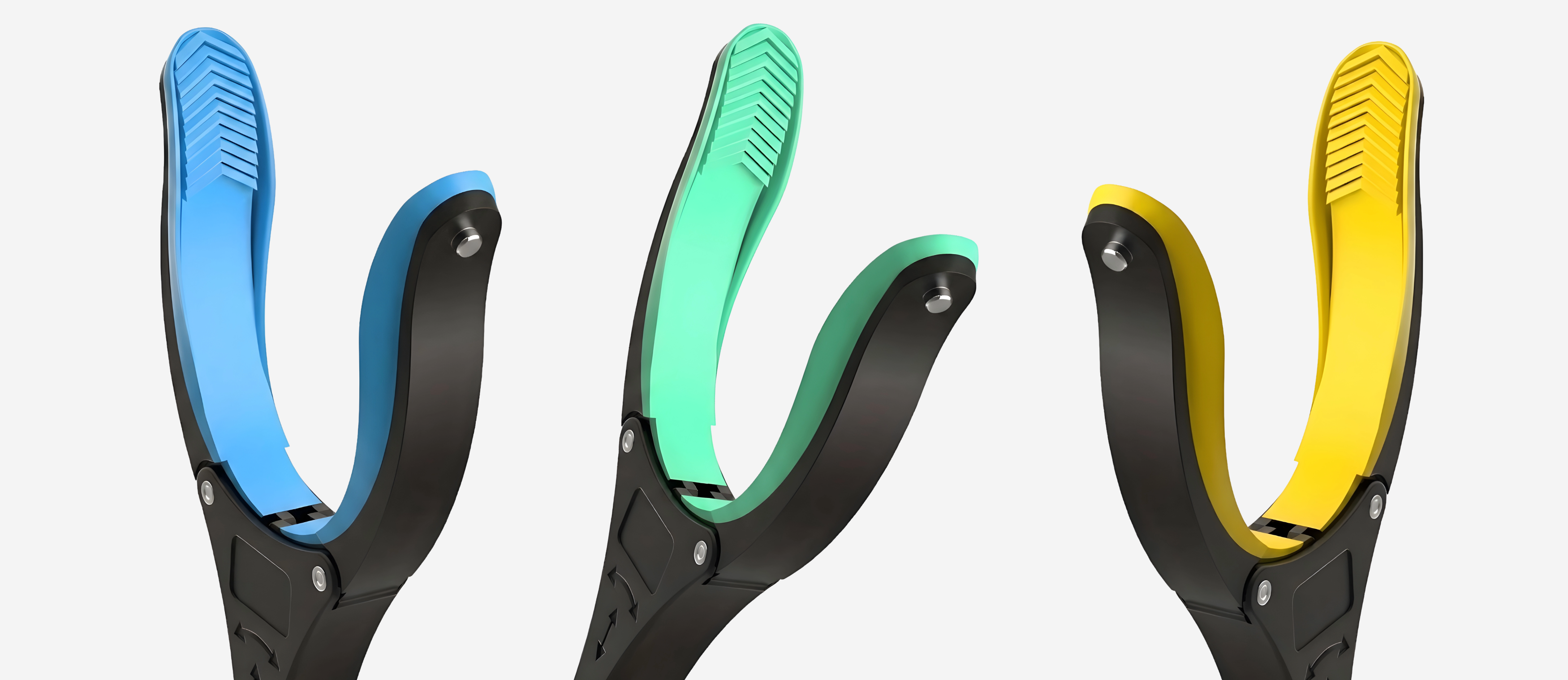
See the Electric Jar Opener for stroke hemiplegia one-handed kitchen jar opening and the reacher grabber collection for one-handed reaching support.


