

Limb amputation -- whether from trauma, vascular disease, diabetes complications, cancer, or congenital conditions -- creates functional challenges that depend on the amputation level and side, prosthetic use, and phantom limb pain (perceived sensation in the absent limb, often painful). Upper limb amputees face one-handed kitchen challenges; lower limb amputees face mobility and standing challenges. Phantom limb pain affects the majority of amputees to some degree and can be severe enough to limit function during pain episodes regardless of prosthetic availability. Adaptive tools complement prosthetic use rather than replacing it -- they address the gaps that prosthetics leave in function.
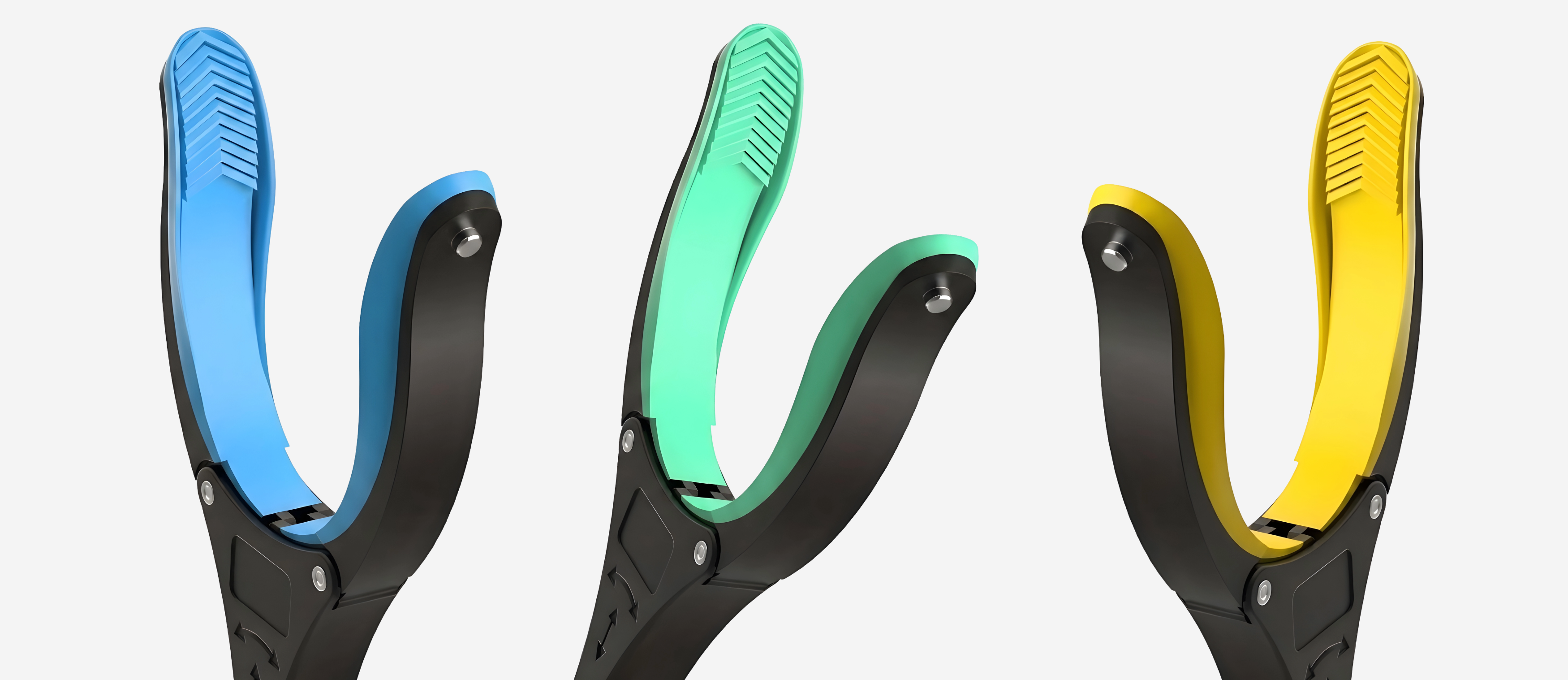
Direct answer: For upper limb amputees, the electric jar opener is the single most important kitchen tool -- it converts what is normally a two-handed task into a one-device task manageable with the remaining limb. For lower limb amputees, the reacher reduces bending and floor-access risk during the periods when prosthetic use is interrupted (nighttime, prosthesis maintenance, residual limb skin breakdown rest periods). The GrabbersTool Electric Jar Opener addresses upper limb amputation; the 43-inch Reacher addresses lower limb amputation from wheelchair or without prosthesis.
Amputation Level and Adaptive Tool Priorities
| Amputation Level | Primary Kitchen Challenge | Adaptive Tool Priority |
|---|---|---|
| Upper limb (below elbow, AE) | One-handed; hook or myoelectric prosthesis limited for fine tasks; jar opening impossible without hook-grip prosthesis | Electric jar opener; one-handed cutting board; non-slip mats; adapted utensils |
| Upper limb (above elbow, AE/above) | Greater functional loss; shoulder prosthetic control limited; one-arm dominant required | Same as below-elbow but more adaptations needed; electric jar opener is highest priority |
| Lower limb (below knee, BK) | Prosthetic usually functional for kitchen standing; rest periods require alternative mobility | Reacher for prosthetic rest periods; anti-fatigue mat for residual limb comfort during standing |
| Lower limb (above knee, AK) or bilateral | Higher energy cost walking; wheelchair during fatigue or skin breakdown; floor access challenging | 43-inch reacher from wheelchair; kitchen organized for wheelchair-level access |
Browse the reacher collection and adaptive kitchen tools.


