

Recovery after surgery -- across many types of surgery -- commonly involves a period of restrictions, reduced strength and endurance, and healing that affects the ability to perform kitchen tasks. While specific surgeries have specific recovery considerations (covered in surgery-specific guides -- hip replacement, knee replacement, cardiac surgery, abdominal surgery, spinal surgery, shoulder surgery, and many others), there are general principles that apply across post-surgical recovery affecting kitchen function. Common post-surgical recovery considerations include: activity and lifting restrictions (many surgeries impose restrictions on lifting, and sometimes bending, reaching, or specific movements, to protect the healing surgical site -- the specific restrictions depend on the surgery), reduced strength and endurance (from the surgery, the underlying condition, and reduced activity during recovery -- deconditioning), pain and healing (the surgical site healing, with pain and tenderness limiting activity), reduced mobility (for some surgeries -- particularly lower extremity and spine surgery, affecting standing and walking), and a gradual recovery (with progressive return of function as healing progresses and restrictions are lifted). These considerations affect kitchen function, which involves lifting, bending, reaching, standing, gripping, and other activities that may be restricted or difficult during recovery. Kitchen adaptation during post-surgical recovery involves following the specific restrictions for the surgery, using adaptive tools to accomplish kitchen tasks within the restrictions and reduced capacity, and gradually returning to full function as recovery progresses. Additionally, nutrition is important for surgical recovery (the kitchen supports recovery nutrition), and preparing for the recovery period before surgery (arranging the kitchen and having adaptive tools ready) is helpful. This guide covers general kitchen adaptation for post-surgical recovery -- always following the specific guidance for the particular surgery.
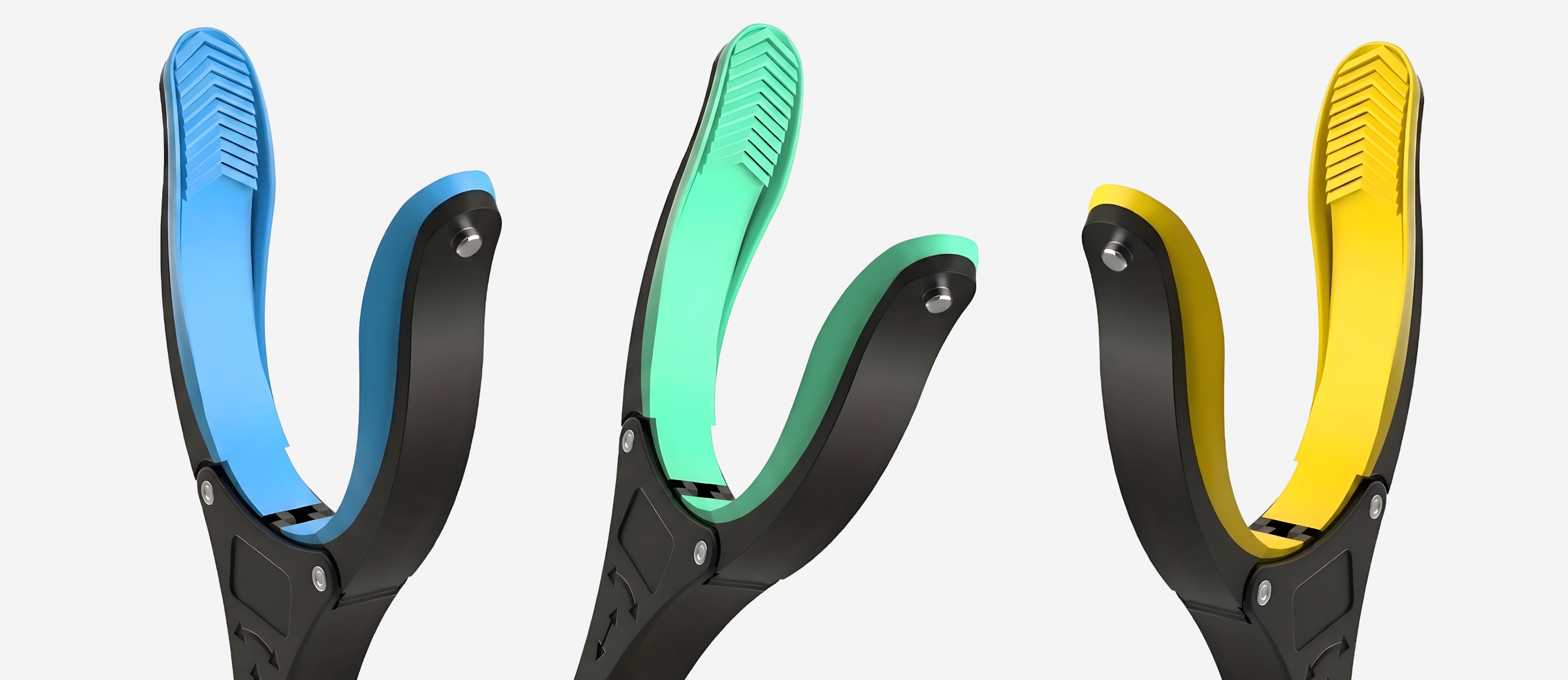
Direct answer: Post-surgery recovery kitchen adaptation follows the specific restrictions for the surgery while using adaptive tools to accomplish kitchen tasks within the restrictions and reduced capacity -- reachers for bending and reaching restrictions, and effort-reducing tools for reduced strength. The GrabbersTool 32-inch Reacher (or the 43-inch Reacher for bending restrictions) and adaptive tools support kitchen function during surgical recovery.
Post-Surgery Recovery Kitchen Strategy
| Recovery Consideration | Kitchen Impact | Adaptive Solution |
|---|---|---|
| Activity, lifting, and movement restrictions | Many surgeries impose restrictions on lifting (a weight limit to protect the healing site), and sometimes bending, reaching, twisting, or specific movements -- the specific restrictions depend on the surgery (for example, hip replacement hip precautions and no bending; spinal fusion no bending, lifting, or twisting; cardiac surgery sternal precautions; abdominal surgery lifting restrictions); these restrictions affect kitchen tasks that involve the restricted movements (lifting pots and groceries, bending for low items, reaching, and others); the restrictions protect the healing site and must be followed; the restrictions limit the affected kitchen tasks during recovery; the specific restrictions vary by surgery | Follow the specific restrictions for the surgery (the surgeon guidance on lifting, bending, reaching, and other restrictions); use adaptive tools to accomplish kitchen tasks within the restrictions -- the reacher grabber (GrabbersTool, the 43-inch for no-bending restrictions) to retrieve low and distant items without bending and reaching; avoid lifting beyond the restriction (fill pots with a measuring cup, use lightweight cookware, slide rather than lift, use a wheeled cart, ask for help); the adaptive tools accomplish kitchen tasks within the surgical restrictions; follow the specific surgery guidance (see the surgery-specific guides) |
| Reduced strength, endurance, and healing | Post-surgical recovery involves reduced strength and endurance (from the surgery, the underlying condition, and reduced activity/deconditioning during recovery), and pain and healing (the surgical site healing, with pain and tenderness limiting activity) -- the reduced strength affects kitchen tasks requiring strength, the reduced endurance limits kitchen activity, and the pain and healing limit activity; these affect kitchen function during recovery; the reduced capacity limits kitchen tasks; the healing and recovery are gradual; the reduced strength, endurance, and healing affect kitchen function during the recovery period | Energy conservation and effort reduction for the reduced strength, endurance, and healing (seated kitchen preparation; pace tasks with rest breaks; simple meals; batch cooking prepared before surgery for the recovery period; electric tools -- electric jar opener and appliances -- to reduce the effort; lightweight tools); the energy conservation and effort-reducing tools accommodate the reduced capacity; gradual return to activity as healing progresses; the adaptations support kitchen function during the reduced-capacity recovery; nutrition supports the healing and recovery |
| Preparation, nutrition, and recovery progression | Preparing for the recovery period before surgery is helpful (arranging the kitchen for the anticipated restrictions -- placing items within reach, having adaptive tools ready, and preparing meals in advance -- batch cooking before surgery for the recovery period); nutrition is important for surgical recovery (adequate protein and nutrition support healing -- the kitchen supports recovery nutrition); the recovery is gradual, with progressive return of function as healing progresses and restrictions are lifted (per the surgeon); the combination of preparation, adaptive tools, following the restrictions, energy conservation, and nutrition supports kitchen function during the recovery; the function returns as the recovery progresses | Prepare for the recovery before surgery (arrange the kitchen -- place frequently used items within reach for the anticipated restrictions; have adaptive tools ready -- reacher, and others as relevant; prepare and freeze meals in advance for the recovery period); recovery nutrition (the kitchen supports the adequate protein and nutrition important for healing); gradual return to kitchen function as healing progresses and restrictions are lifted (per the surgeon); the preparation, adaptive tools, following the restrictions, energy conservation, and nutrition support kitchen function during recovery; follow the specific surgery guidance; the function returns as the recovery progresses; the adaptive tools bridge the recovery period |
See the 32-inch Reacher and 43-inch Reacher for post-surgery recovery kitchen support, following the specific guidance for the surgery.


