

Setting up an accessible, adaptive kitchen -- organized and equipped to support kitchen independence for people with physical, sensory, or other limitations -- can significantly improve the ability to safely and independently perform kitchen tasks. An accessible kitchen setup combines organization (arranging the kitchen to place items within reach and reduce challenging movements), adaptive tools (equipping the kitchen with tools that reduce the demands of kitchen tasks), seating (enabling seated kitchen work), safety measures (reducing hazards and fall risks), and, where possible and needed, modifications (physical changes to the kitchen for accessibility). The specific setup is individualized to the person needs -- their condition, abilities, limitations, and the tasks that are challenging (a person with reduced reach needs different accommodations than a person with reduced strength, grip problems, balance issues, or other challenges). Many accessible kitchen improvements can be made without major renovation -- through organization, adaptive tools, seating, and safety measures -- while some situations benefit from physical modifications (counter heights, accessible appliances, and other changes). An occupational therapy kitchen assessment can help identify the individual needs and recommend the appropriate setup. This guide covers the key elements of setting up an accessible, adaptive kitchen, applicable across the range of conditions affecting kitchen function, to help people improve their kitchen accessibility and independence. The goal is a kitchen organized and equipped to support the person in safely and independently performing kitchen tasks within their abilities.
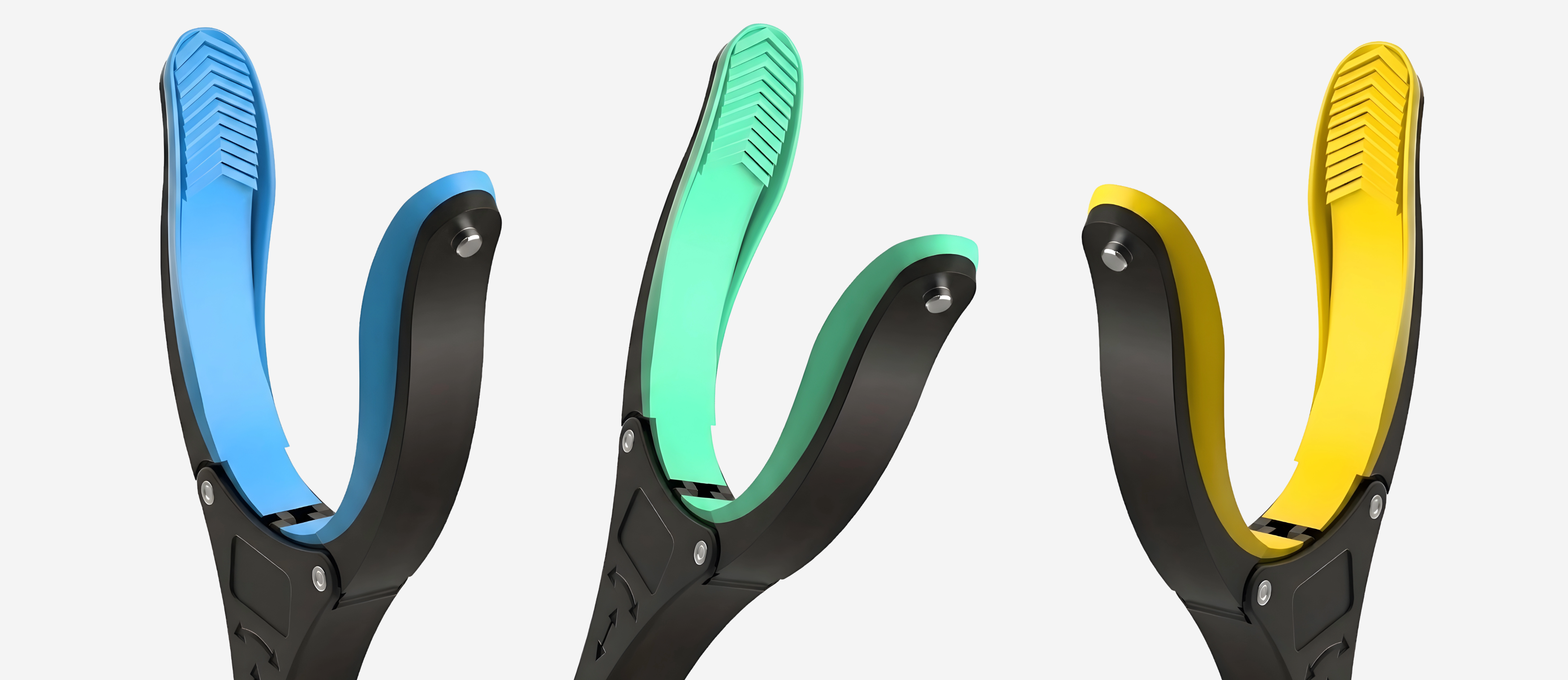
Direct answer: Setting up an accessible kitchen combines organization (items within reach), adaptive tools (reachers, electric openers, and tools for the person needs), seating (for seated work), safety measures (fall and hazard reduction), and modifications where needed. The GrabbersTool Reacher and Electric Jar Opener are core adaptive tools for an accessible kitchen, alongside individualized organization and setup.
Accessible Kitchen Setup Guide
| Setup Element | What It Involves | How It Helps |
|---|---|---|
| Organization and reach zones | Organizing the kitchen to place frequently used items within easy reach and reduce challenging movements is a foundational accessible kitchen element -- placing everyday items within the accessible reach zone (at waist-to-shoulder height for standing users, or within the seated reach for seated and wheelchair users -- avoiding items stored too high or too low), keeping frequently used items accessible, and organizing storage to reduce the need for challenging reaching, bending, and stretching; the organization reduces the reaching, bending, and movements that are difficult or unsafe; accessible organization is a key element that can be implemented without major changes | The accessible organization reduces the challenging reaching, bending, and stretching by placing items within easy reach -- reducing the difficult and unsafe movements and making items accessible; keeping everyday items in the accessible zone means the person can reach them easily; the organization reduces the reliance on challenging movements and improves accessibility; tools like lazy Susan turntables and pull-out shelves bring items within reach; the accessible organization is a foundational, implementable element of the accessible kitchen |
| Adaptive tools and seating | Equipping the kitchen with adaptive tools matched to the person needs and enabling seated kitchen work are key accessible kitchen elements -- adaptive tools (reachers to extend reach; electric jar openers and appliances to reduce the strength and grip demands; adaptive utensils and tools for the person specific needs) reduce the demands of kitchen tasks, and kitchen seating (a stool or perch for seated work, or a wheelchair-accessible setup) enables kitchen tasks to be performed seated (reducing the standing demand); the adaptive tools and seating reduce the physical demands and enable the person to perform kitchen tasks within their abilities | The adaptive tools reduce the demands of kitchen tasks (the reacher for reach, the electric jar opener for grip and strength, and other tools for the person needs -- matched to their specific challenges); the seating enables seated kitchen work (reducing the standing demand for those with reduced standing tolerance, balance issues, or fatigue); the adaptive tools and seating enable the person to perform kitchen tasks within their abilities; the tools are matched to the person specific needs (an occupational therapy assessment helps identify the right tools); the adaptive tools and seating are core accessible kitchen elements |
| Safety, modifications, and individualized setup | Safety measures and, where needed, physical modifications complete the accessible kitchen setup -- safety measures (non-slip flooring, adequate lighting, clear pathways, stability support, and hazard reduction -- reducing fall and injury risks) improve safety, and physical modifications (accessible counter heights with knee clearance for seated and wheelchair users, accessible appliances, and other changes) provide accessibility where needed (some situations benefit from modifications, while many improvements can be made without them); the setup is individualized to the person needs; an occupational therapy assessment helps identify the individual needs and appropriate setup | The safety measures reduce the fall and injury risks (important across conditions -- particularly for balance issues, fall risk, and sensory limitations); the modifications provide accessibility where needed (accessible counter heights and appliances for seated and wheelchair users, and other changes -- though many improvements are made without major modifications); the individualized setup matches the person specific needs (an occupational therapy kitchen assessment helps identify the needs and recommend the setup -- see the related [[occupational-therapy-kitchen-assessment-what-to-expect]] guide); the safety measures, modifications where needed, and individualized approach complete the accessible kitchen; the accessible kitchen setup supports the person in safely and independently performing kitchen tasks within their abilities |
See the Reacher Grabber and Electric Jar Opener as core adaptive tools for setting up an accessible kitchen.


