

Spinal muscular atrophy (SMA) is a genetic neuromuscular disease caused by mutations in the SMN1 gene, resulting in degeneration of anterior horn cells in the spinal cord and progressive proximal muscle weakness. SMA is classified by onset and severity: SMA Type 1 (Werdnig-Hoffmann, onset in infancy, historically fatal -- now treatable with gene therapy and nusinersen); SMA Type 2 (onset 6-18 months, achieve sitting but not walking, historically; now highly variable with modern treatments); SMA Type 3 (Kugelberg-Welander, onset after 18 months, achieve walking, though may lose ambulation over time). Adults with SMA Type 2 are typically wheelchair-dependent with significant proximal upper and lower limb weakness, scoliosis requiring bracing or surgical correction, and respiratory compromise requiring ventilatory support in more severe cases. Adults with SMA Type 3 range from mildly affected (walking independently with mild proximal weakness) to more significantly impaired (wheelchair-dependent, lost ambulation in teens to 30s). The approval of disease-modifying treatments -- nusinersen (Spinraza), onasemnogene abeparvovec (Zolgensma), and risdiplam (Evrysdi) -- has significantly changed the natural history for newly treated patients, but adults diagnosed before these treatments are available have the historical disease course.
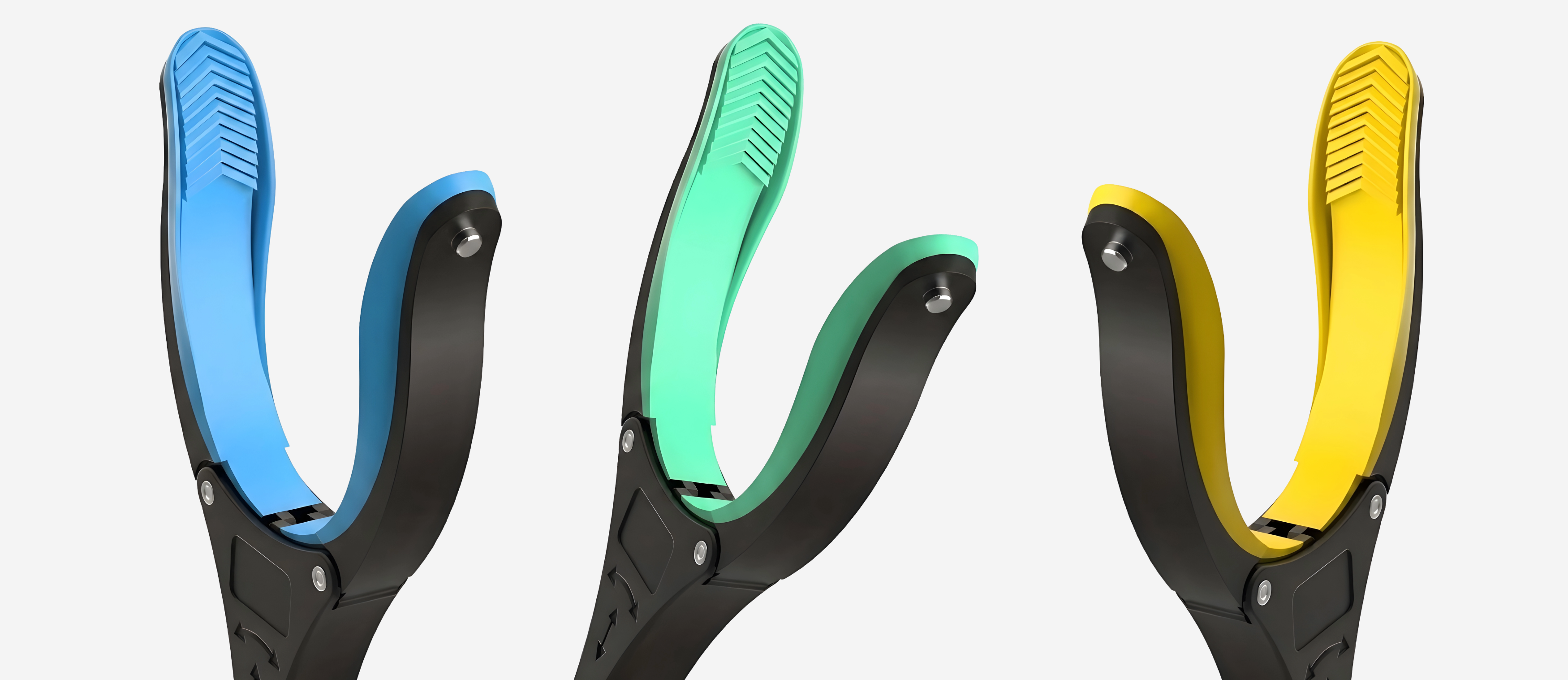
Direct answer: SMA adaptive kitchen tools address the proximal upper limb weakness that is the dominant limb limitation in SMA types 2 and 3 -- difficulty lifting the arms against gravity, weak shoulder and elbow muscles, and reduced ability to sustain arm position for kitchen tasks. Distal hand function (grip and pinch) is typically better preserved than proximal strength, making the pattern different from many other conditions. Tools that reduce the need to hold the arm elevated and outward (reach) are most helpful. The electric jar opener must be positioned to minimize the need to hold up the jar. The reacher for SMA wheelchair users must be operable from a low arm position. The GrabbersTool Electric Jar Opener and 43-inch Reacher address the key SMA tool needs.
SMA Type and Adaptive Kitchen Tool Profile
| SMA Type (Adult) | Upper Limb Function | Adaptive Kitchen Priority |
|---|---|---|
| SMA Type 2 (adult, treated or historical) | Significant proximal weakness; arm elevation limited; grip and pinch relatively preserved; wheelchair-dependent; may have mobile arm support (MAS/Wilmington Robotic Exoskeleton) | Electric jar opener positioned for minimal arm lift; 43-inch reacher for wheelchair access; items within horizontal reach without arm lift; mobile arm support for some kitchen tasks |
| SMA Type 3 mild (ambulatory) | Proximal weakness with normal or near-normal distal function; shoulder abduction reduced; difficulty with overhead; grip good | Items stored below shoulder height; electric jar opener if shoulder weakness limits jar torque position; 32-inch reacher if balance affected; lightweight cookware for overhead tasks |
| SMA Type 3 moderate-severe (lost ambulation) | More significant proximal weakness; wheelchair dependent; arm elevation limited; grip may decline with progression | 43-inch reacher; electric jar opener; kitchen fully adapted for wheelchair height; all items within horizontal reach; electric appliances for all sustained arm-elevation tasks |
Browse the reacher collection and Electric Jar Opener for SMA kitchen independence support.


