

Traumatic brain injury (TBI) results from external mechanical forces applied to the head, causing primary brain injury (direct tissue damage at the moment of impact) and secondary brain injury (swelling, hypoxia, and cascading neurological changes in the hours and days following). TBI severity is classified as mild (concussion -- typically with full recovery), moderate (loss of consciousness 30 minutes to 24 hours), and severe (loss of consciousness over 24 hours, post-traumatic amnesia over 7 days). The cognitive and behavioral sequelae of moderate-to-severe TBI that affect kitchen function include: executive dysfunction (difficulty planning, initiating, and sequencing complex tasks like meal preparation), attention and working memory deficits (losing track of what step of cooking you are on, forgetting items on the stove), impulsivity (rushing kitchen tasks leading to burns and cuts), fatigue (cognitive fatigue from brain injury is distinct from physical fatigue and is often underappreciated), and motor impairment (hemiparesis or ataxia from cortical or cerebellar injury). Kitchen safety is a major concern in TBI rehabilitation: stove and fire management, knife safety, and burn prevention are occupational therapy kitchen safety priorities.
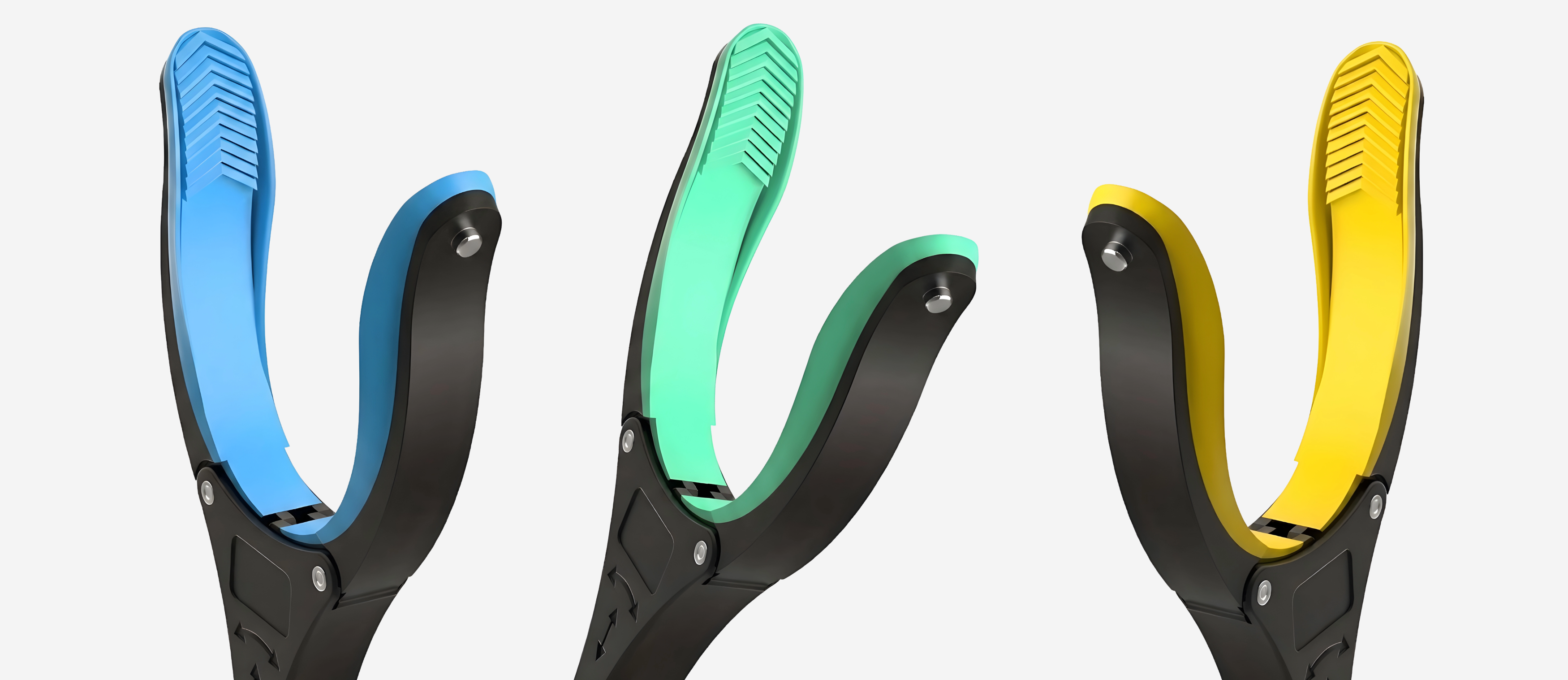
Direct answer: TBI adaptive kitchen tools must address both the cognitive and motor dimensions. From the motor side: hemiparesis from TBI is addressed with the same one-handed kitchen strategy as stroke, including the electric jar opener and reacher. From the cognitive side: simplified kitchen tools with fewer steps reduce executive demand. The electric jar opener is one of the few kitchen tools that is genuinely simpler cognitively than the manual alternative -- it requires only placement and button press. The GrabbersTool Electric Jar Opener and 32-inch Reacher address the key tool needs; supplemented by kitchen safety modifications for TBI-specific risks.
TBI Kitchen Challenge Profile and Adaptive Tool Solutions
| TBI Impairment Domain | Kitchen Safety and Function Risk | Adaptive Solution |
|---|---|---|
| Executive dysfunction (planning and sequencing) | Cannot plan a multi-step meal; loses sequence mid-cooking; leaves stove unattended; does not recognize when food is burning | Simple one-step meals; visual recipe cards with large step-by-step images; OT kitchen skills training; stove automatic shut-off devices; caregiver supervision for complex cooking |
| Attention and working memory | Forgets timer; does not notice pot boiling over; distracted mid-task and leaves kitchen; forgets to turn off stove | Simple kitchen tasks only; stove shut-off devices; timer with loud alarm; one task at a time; reduce kitchen complexity |
| Hemiparesis (one-sided weakness from TBI) | One-handed kitchen tasks; grip on affected side unreliable; jar opening requires both hands | Electric jar opener for one-handed jar access; suction-base stabilizers; one-handed cutting board; reacher for balance support |
| Fatigue | Cognitive and physical fatigue limits sustained kitchen work; judgment degrades when fatigued (increased safety risk) | Very short cooking sessions; simple meals; electric jar opener and appliances reduce effort; caregiver handles complex cooking; cook at peak energy times |
Browse the adaptive kitchen collection and Electric Jar Opener for TBI kitchen support.


