

Thoracic outlet syndrome (TOS) is a group of conditions caused by compression of the neurovascular structures (brachial plexus, subclavian artery, or subclavian vein) passing through the thoracic outlet -- the space between the clavicle, first rib, and scalene muscles. TOS is classified as neurogenic TOS (nTOS, most common, 95% of cases, involving brachial plexus compression causing arm pain, paresthesia, and weakness), arterial TOS (aTOS, subclavian artery compression causing arm ischemia), or venous TOS (vTOS, Paget-Schroetter syndrome, subclavian vein compression causing arm swelling and effort thrombosis). The hallmark of nTOS is that symptoms are provoked by arm elevation -- specifically overhead arm positions (arms above shoulder height) and positions with the arm abducted and externally rotated (the AER position, also called the ROOS or EAST position). Kitchen tasks that require arm elevation above shoulder height -- reaching overhead shelves, getting items from high cabinets, hanging or retrieving items from overhead hooks -- are the most consistent kitchen TOS provocateurs and must be avoided or modified during TOS treatment and recovery.
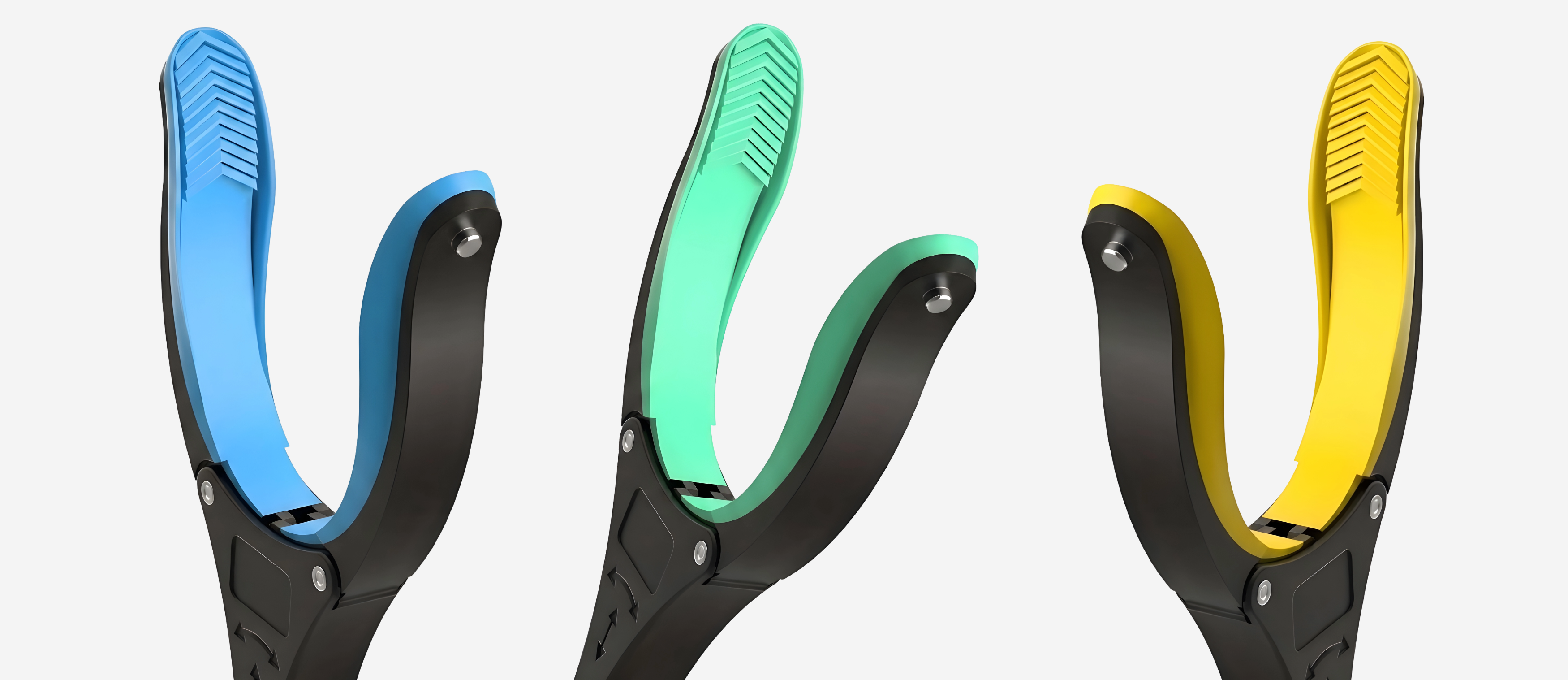
Direct answer: TOS adaptive kitchen tools must eliminate overhead arm elevation (the most provocative position for nTOS symptoms). The 43-inch reacher is the definitive TOS kitchen tool: it allows overhead shelf access without raising the arm above shoulder height, eliminating the provocative AER position. The GrabbersTool 43-inch Reacher is the most important TOS kitchen adaptive tool for overhead reach avoidance.
TOS Kitchen Provocative Position Avoidance
| TOS Provocative Kitchen Position | Symptoms Generated | Adaptive Avoidance Strategy |
|---|---|---|
| Overhead arm elevation (upper cabinet reach) | Arm elevation narrows the thoracic outlet between the clavicle and first rib; nTOS patients develop forearm/hand paresthesia, arm heaviness, and hand weakness within seconds to minutes of arm elevation; overhead kitchen reach is typically symptom-limited to less than 1-2 minutes | 43-inch reacher (GrabbersTool) for all overhead kitchen shelf access while keeping arm below shoulder; reorganize most-used kitchen items to counter height or below-shoulder level; avoid overhead reach entirely during acute nTOS |
| Sustained arm abduction (stirring with arm elevated) | Abducted arm position (arm out to side, above horizontal) compresses neurovascular structures; sustained stirring with the arm in an abducted position reproduces TOS symptoms; mixing with a heavy pot on a back burner forces arm abduction and elevation | Position pots and pans at the front of the stove (reduced arm abduction requirement); stand-mixer for sustained mixing tasks; keep all cooking surfaces at direct forward reach to minimize arm abduction |
| Cervical rotation with arm elevated (looking up while reaching) | Combined cervical rotation and arm elevation is particularly provocative in TOS; reaching into an overhead cabinet while looking up can rapidly trigger symptoms; kitchen tasks requiring both neck extension and arm elevation are high-risk | 43-inch reacher eliminates need to look up while reaching overhead; view shelf contents from the side rather than below; use stepstool to change viewing angle (brings shelf to eye level rather than above) |
| Sustained downward reach with head flexed (vTOS) | vTOS (subclavian vein compression) may be provoked by specific postures; forward head posture during sustained computer use often worsens vTOS | Ergonomic kitchen workstation posture; avoid forward head posture; kitchen work surface at appropriate height to maintain neutral neck position |
See the 43-inch Reacher and full reacher collection for TOS kitchen overhead avoidance.


