

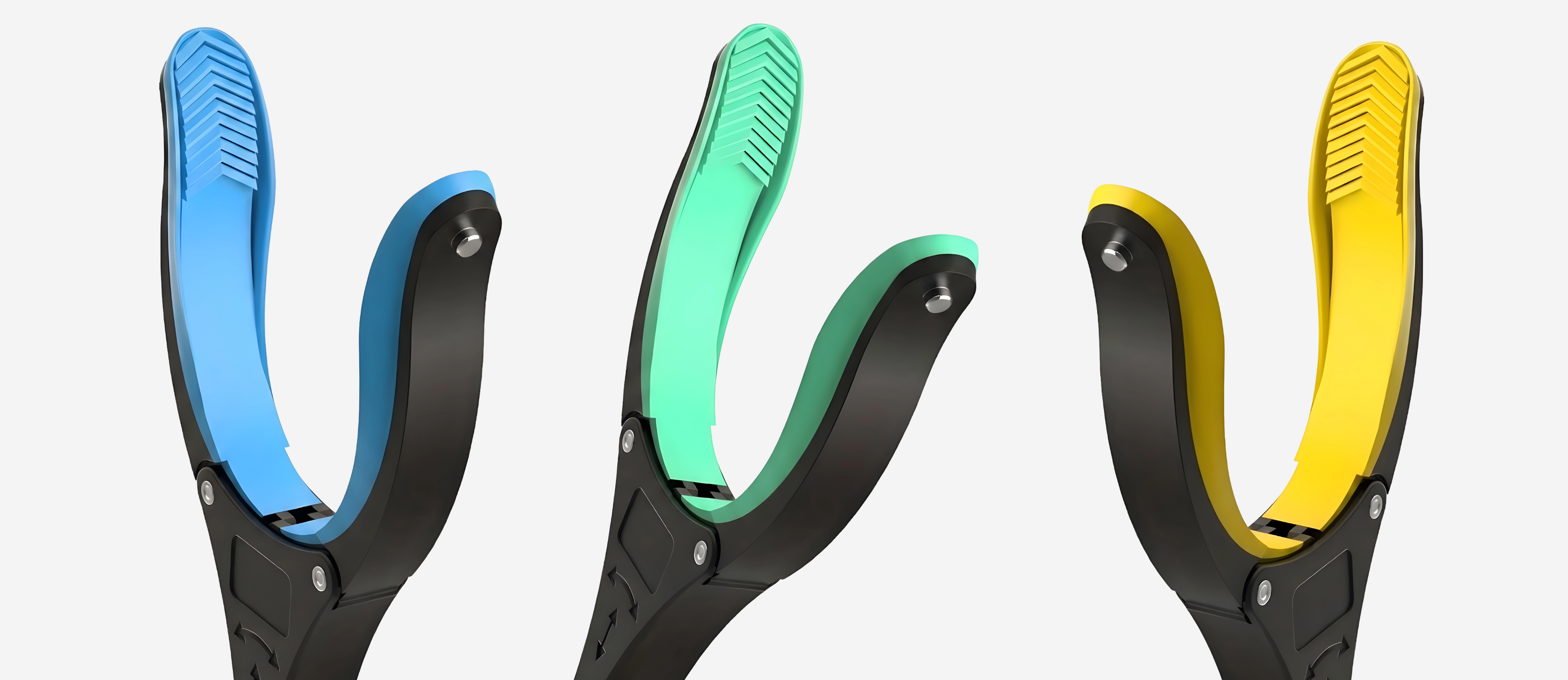
An electric jar opener is a kitchen appliance that contacts the rim and lid of food jars -- surfaces that can carry food residue, jar sealing liquid, sticky sauces, and the occasional jar contents from a splash during opening. Proper cleaning is important both for kitchen hygiene (preventing bacterial contamination from jar rim residue) and for device longevity (food residue accumulation in the gear teeth or chassis can affect motor performance and create corrosion if the device is electric). Unlike manual tools that can be submerged in soapy water, most electric jar openers are not fully waterproof and require specific cleaning techniques to avoid water ingress into the motor housing. This guide provides the OT-recommended cleaning technique for electric jar openers used by patients with arthritis and limited hand dexterity, where cleaning difficulty is also a factor in device maintenance compliance.
Direct answer: To clean the GrabbersTool Electric Jar Opener: (1) Never submerge in water -- the device contains a battery-powered motor; (2) Wipe the rim-contact wheel and outer chassis with a damp cloth after each use; (3) For sticky residue on the gear wheel, use a damp cotton swab; (4) Dry immediately after cleaning; (5) Do not spray water or cleaning solution directly at the device. The GrabbersTool Electric Jar Opener requires minimal maintenance to remain hygienic for daily kitchen use.
Electric Jar Opener Cleaning and Maintenance Guide
| Component | Cleaning Method | Frequency |
|---|---|---|
| Outer chassis and handle | Wipe with a damp cloth (warm water, small amount of dish soap); wipe dry with a second cloth; do not spray water at the device; do not immerse; do not use abrasive scrubbers (may damage surface finish) | After each use if food contact occurred; at minimum weekly if used daily |
| Rim-contact gear wheel or pads (the part that grips the jar lid) | Use a damp cotton swab or small soft brush to clean between gear teeth or textured grip surface; sticky sauces (pasta, jam) accumulate here and reduce grip effectiveness over time; food residue here can also become a bacterial harborage | After each use with sticky or acidic jar contents; weekly with dry or non-sticky jar use |
| Battery compartment area | Do not get wet; check for corrosion around battery terminals periodically; if battery has leaked (brownish crust around terminals), remove batteries immediately, clean terminals with a dry cotton swab, and replace batteries; do not use a corroded-terminal device | Monthly battery terminal inspection; immediately if battery leak suspected |
| Rubber grip pads or feet | Wipe with damp cloth; rubber can pick up oils and food residue that reduce the friction needed to grip jar lids effectively; clean rubber maintains grip effectiveness | Weekly or when grip performance seems reduced |
Electric Jar Opener Storage and Longevity Tips
- Store on a dry kitchen surface or in a kitchen drawer -- not under the sink where humidity may affect the motor
- If storing long-term (months), remove batteries to prevent battery leakage damage
- Do not drop the device -- internal gear alignment can be disrupted by impact
- If the motor sounds strained or slower than usual, check for food residue in the gear mechanism before assuming battery failure
- Replace batteries when the jar opener seems slow or fails to open a jar it previously opened easily
For replacement or additional devices, see the GrabbersTool Electric Jar Opener and full adaptive kitchen collection.


