

Long-haul truck driving is one of the most physically demanding sedentary occupations -- paradoxically, drivers sit for extended hours while managing physical tasks that require significant body movement: climbing in and out of a high cab multiple times daily, operating equipment in confined spaces, and managing the cumulative physical effects of vibration exposure, irregular sleep, and limited physical activity. Drivers who develop arthritis, back conditions, neuropathy, or other mobility-affecting conditions face a specific adaptive challenge: the adaptations that work in a home or office environment may not function in a truck cab, rest stop, or loading dock context.
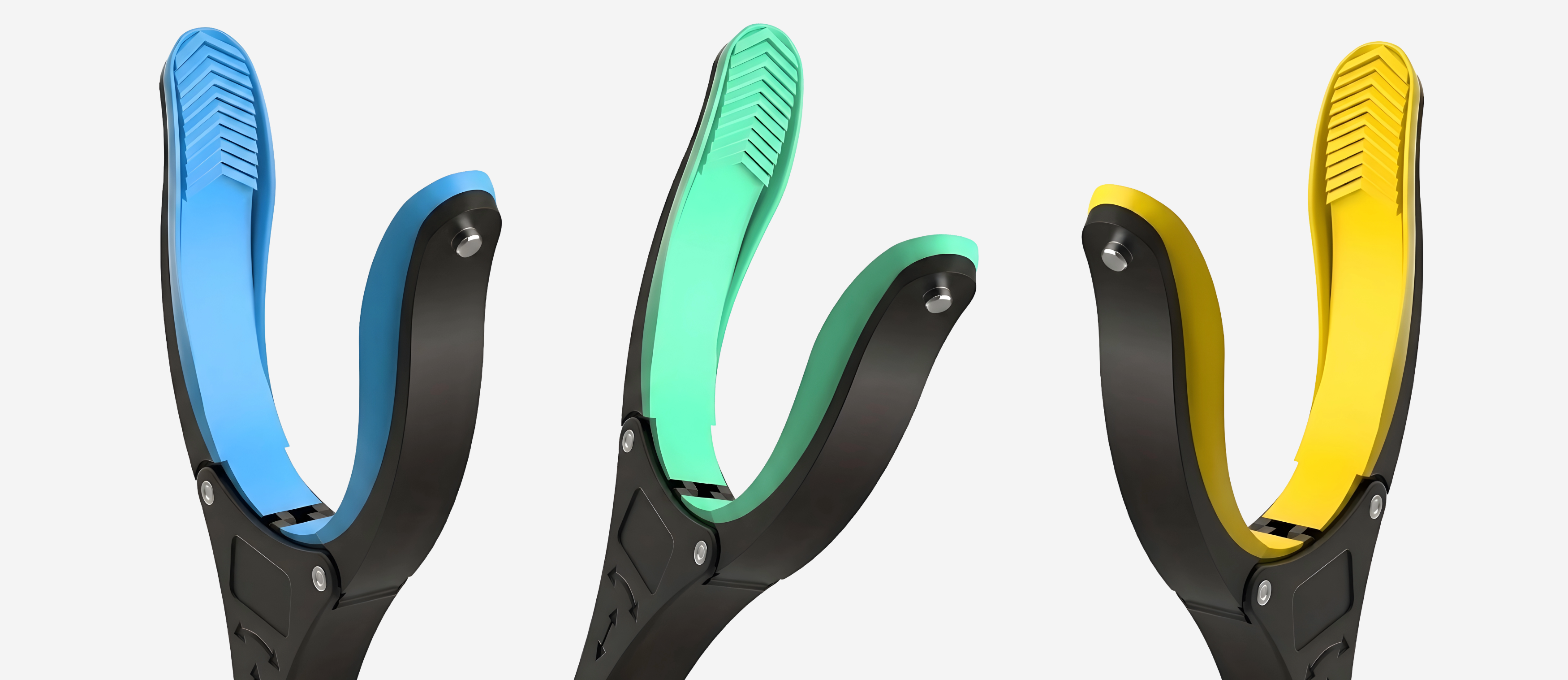
Direct answer: for truck drivers and transportation workers managing grip or mobility conditions, the priority adaptive tools address the specific physical demands of transportation work: the GrabbersTool 43 inch Reacher Grabber for cab and sleeper compartment floor retrieval (without requiring the full bend-and-rise sequence in a confined space), the 5-in-1 Multi-Opener (compact enough for a cab or rest stop bag) for food and beverage access, and the Standing Assist Tool at home for the sitting-pattern recovery that long-haul drivers require.
The Physical Demands of Transportation Work
| Occupational Task | Physical Demand | Adaptive Consideration |
|---|---|---|
| Cab entry and exit (high cab) | Climb 3-4 steps, grip handrail, lower body into seat | Handle grips, step placement -- cab modifications (outside GrabbersTool scope) |
| Sleeper compartment item retrieval | Items on floor of small space -- bending in confined area | 43 inch Reacher retrieves without bending in confined space |
| Food access at rest stops and cab | Jar and bottle opening, often one-handed | 5-in-1 Multi-Opener fits in bag; requires no counter space |
| Prolonged seated driving | Hip flexor shortening, lumbar load, lower limb circulation | Standing assist tool at home for recovery; walking cane for rest stop walks |
| Paper log / device management | Grip for writing/typing -- worsened by arthritis or neuropathy | Voice-to-text technology (outside scope); reduced grip demand tools reduce total daily hand load |
The 43 inch Reacher Grabber specifications -- including collapsed length for cab storage -- are on the product page. View 43 inch Reacher Grabber specifications
The Sleeper Compartment and Floor Retrieval
Truck sleeper compartments are compact spaces where floor retrieval requires bending in a constrained environment -- often without the full range of movement available in a standard room. For drivers with lumbar conditions (the most common occupational health complaint in the trucking industry), floor retrieval in a confined space combines the risk of lumbar flexion with the postural constraint of the low ceiling and tight lateral space. A 43 inch reacher used in a sleeper compartment allows floor-level retrieval while seated on the bunk edge, without the bend-and-confined-rise sequence.
Rest Stop and Road Nutrition: The Grip Challenge
Long-haul drivers depend on shelf-stable, portable food that is accessible without kitchen equipment. Many rest stop and convenience store food formats require grip to open: vacuum-sealed containers, twist-cap bottles, pull-tab lids. For drivers with arthritis or neuropathy affecting grip strength, these tasks become unpredictable -- and refueling stops are not an opportunity for extended food opening difficulty. The 5-in-1 Multi-Opener fits in a jacket pocket or small bag and addresses pull tabs, twist caps, ring pulls, and other common on-road container formats.
Home Recovery for Long-Haul Drivers
The physical pattern of long-haul driving -- days of seated vibration exposure, poor sleep, and limited physical activity -- has a cumulative effect on musculoskeletal health that becomes particularly apparent in drivers who have developed arthritis, back conditions, or lower limb circulation issues. When drivers return home after a long run, the physical recovery period often involves significant stiffness, reduced mobility, and fatigue. The home adaptive setup for a driver with these conditions follows the general principles of mobility-limited home living: Standing Assist Tool at the primary chair, Reacher Grabber in kitchen and living room, electric kitchen openers for low-effort food access during recovery days.
Regulatory Considerations for Commercial Driver Disabilities
Commercial driver medical certifications (DOT physical) have specific requirements regarding medical conditions. Drivers with certain conditions affecting mobility, grip, or motor function should discuss their status with a certified medical examiner and, if applicable, an exemption specialist. Adaptive tools can support off-duty independence and home recovery but do not directly address CDL medical certification requirements. This regulatory dimension is outside GrabbersTool scope but is relevant context for drivers managing new medical conditions.
See also: Sciatica and Adaptive Tools: Managing Sitting Pain and Daily Living and Peripheral Neuropathy and Adaptive Tools: Managing Grip and Mobility With Nerve Damage.
Browse Reacher Grabber Tools and Easy Grip Kitchen Openers.


