

Thoracic outlet syndrome is one of the most misdiagnosed and misunderstood conditions that affects upper limb function -- and the adaptive tool needs that follow from it are specific. TOS causes symptoms (pain, numbness, weakness, coldness) through compression of nerves or blood vessels in the thoracic outlet space, often worsened by arm elevation above shoulder height, prolonged overhead positions, and sustained grip. Standard adaptive tool recommendations that focus on grip strength or elbow position miss the critical factor for TOS: the position of the arm in relation to the shoulder and thoracic outlet determines symptom severity.
Direct answer: for neurogenic and vascular TOS, the primary adaptive tool goal is eliminating arm elevation above the shoulder and reducing sustained grip. The GrabbersTool 43 inch Reacher Grabber retrieves items from overhead shelves with the arm in a lower position (the tool reaches up, the arm stays lower). The Electric Jar Opener and Electric Can Opener eliminate the sustained grip rotation that provokes TOS symptoms. The specific adaptations depend on whether TOS is neurogenic, arterial, or venous -- medical management determines the constraints.
TOS Types and Adaptive Tool Implications
| TOS Type | Primary Symptom Pattern | Adaptive Tool Priority |
|---|---|---|
| Neurogenic TOS (most common) | Arm pain, numbness, tingling -- worsened by overhead positions and sustained grip | Eliminate overhead reach (43 inch Reacher); eliminate sustained grip (Electric Jar Opener) |
| Venous TOS (Paget-Schroetter) | Arm swelling, heaviness, cyanosis -- often effort-related | Reduce exertion; avoid sustained arm exertion positions |
| Arterial TOS (rarest) | Arm pallor, cold, pulselessness -- positional | Primarily medical management; adaptive tools reduce provocative positions |
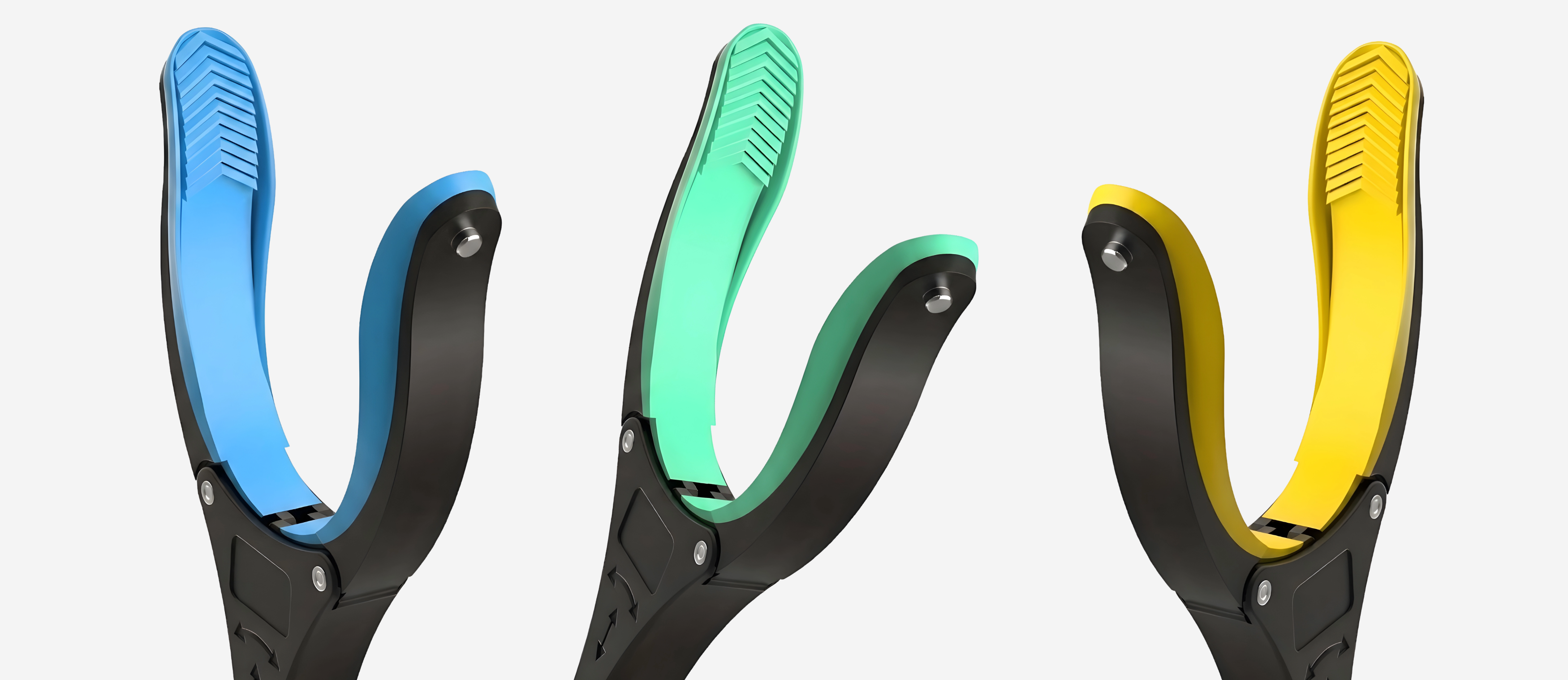
The 43 inch Reacher Grabber reaches overhead items without requiring arm elevation -- full specifications on the product page. View 43 inch Reacher Grabber specifications
The Overhead Reach Problem for TOS
Arm elevation above the shoulder is one of the most consistent TOS symptom triggers in neurogenic TOS. Daily living tasks that require overhead arm position include: reaching items on high shelves, hanging laundry, washing hair (arm elevated, sustained), overhead cabinet access, and reaching for car seat belts. A 43 inch reacher grabber addresses the shelf and cabinet access component: the tool reaches to overhead-level items while the user holds the tool handle at waist or mid-torso level, keeping the arm in a non-provocative position.
Sustained Grip and TOS Symptoms
Sustained grip tasks -- carrying bags, holding steering wheels, holding tools for extended periods -- can provoke TOS symptoms through scalene and pectoralis minor muscle activation that narrows the thoracic outlet during the grip effort. Kitchen tasks that require sustained grip (manual jar opening, manual can opening) are among the household tasks most likely to provoke TOS symptoms because of the grip duration and force involved. The electric jar opener eliminates this grip requirement; the electric can opener automates the process after initial placement.
Computer Use and TOS: An Occupational Factor
Many TOS patients develop symptoms in occupational contexts -- prolonged keyboard and mouse use with the arm in a forward-and-elevated position. While computer workstation ergonomics are beyond GrabbersTool scope, the general principle applies to daily living: reducing the accumulated time in arm-elevated, sustained-grip positions throughout the day reduces the total provocative load on the thoracic outlet. Each household task converted from sustained grip to electric or tool-assisted operation reduces the daily provocative burden.
Post-Surgical TOS and Recovery
TOS surgery (first rib resection, scalenectomy) involves a recovery period during which arm use is restricted. The adaptive tool needs during TOS surgical recovery overlap with post-surgery guidelines generally: one-handed or grip-reduced kitchen tasks, reduced reaching, and support for the recovering limb. The same electric openers and reachers that manage TOS symptoms pre-operatively support the post-surgical recovery period.
See also: Shoulder Impingement and Adaptive Tools: Managing Overhead Restriction and Rotator Cuff Surgery Recovery: Adaptive Tools for the Sling Period.
Browse Reacher Grabber Tools and Easy Grip Kitchen Openers.


