

COPD creates a breathlessness economy that is similar to the cardiac output limitation of heart failure but mechanically different: the lung cannot oxygenate blood adequately to support exertion, and exertion that triggers hypoxemia produces breathlessness that is both distressing and potentially dangerous. Bending forward compresses the diaphragm, reducing respiratory efficiency at exactly the moment exertion is demanding more of it. Overhead reaching with arm elevation reduces lung volume. Manual grip tasks requiring sustained exertion deplete oxygen reserves that pulmonary-compromised patients have limited capacity to replenish. GrabbersTool works with COPD patients and their families on the daily living implications of these specific functional limitations.
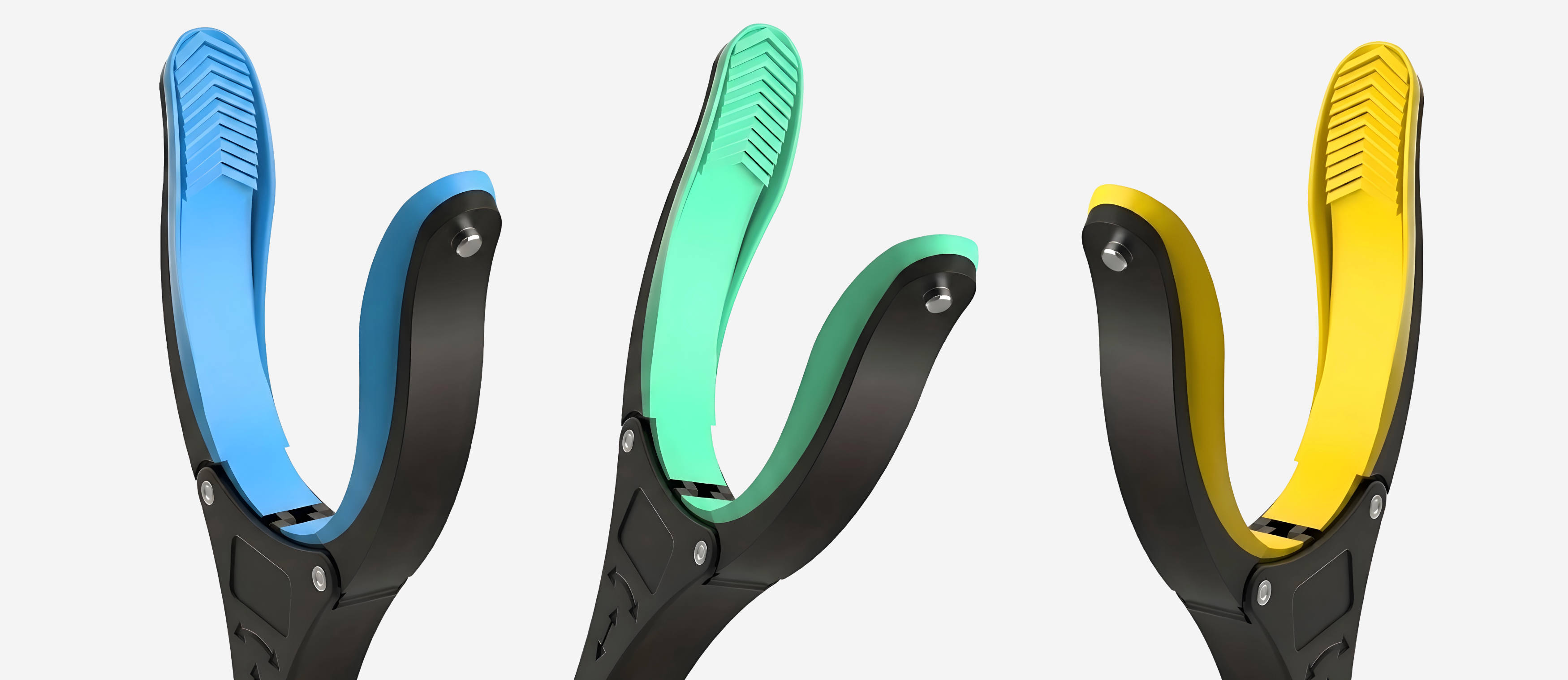
Direct answer: for COPD, the highest-priority adaptive tool consideration is eliminating body positions that compromise respiratory mechanics: trunk flexion (bending -- compresses the diaphragm) and arm elevation (overhead reach -- reduces lung volume). The GrabbersTool 43 inch Reacher Grabber addresses both: floor retrieval without trunk flexion, overhead access without arm elevation. The Electric Jar Opener eliminates sustained arm exertion for jar opening. The Standing Assist Tool reduces the exertion of chair transfers.
Respiratory Mechanics and Daily Movement
COPD breathlessness during daily tasks is not random -- it is predictable from the specific body positions involved:
- Trunk flexion (bending): compresses the diaphragm and restricts its downward movement -- significantly worsens air trapping in COPD
- Overhead arm elevation: lifts the shoulder girdle, which reduces chest wall compliance and functional residual capacity in obstructive lung disease
- Sustained isometric exertion: increases oxygen demand without rhythmic breathing support
- Rapid positional changes: sudden rise from sitting creates an acute oxygen demand spike
COPD Activity Management and Tool Selection
| COPD Functional Challenge | Primary Trigger | Adaptive Tool |
|---|---|---|
| Floor item retrieval | Trunk flexion compresses diaphragm | 43 inch Reacher Grabber |
| Overhead shelf access | Arm elevation reduces lung volume | 43 inch Reacher from standing without arm elevation |
| Jar and can opening | Sustained arm exertion -- isometric demand | Electric Jar Opener, Electric Can Opener |
| Chair-to-stand transfers | Acute exertion demand on rising | Standing Assist Tool |
| Walking between rooms | Sustained ambulation with oxygen demand | Walking Cane for support; pacing strategy |
Full product specifications are on the product pages. View 43 inch Reacher Grabber specifications
Oxygen Tubing and Home Navigation
COPD patients on supplemental oxygen manage 50-foot or longer oxygen tubing while navigating the home -- or carry portable oxygen concentrators. The tubing creates a fall risk (tripping), and the need to manage the tubing while performing kitchen tasks adds a simultaneous physical management burden. Adaptive tools that work from a single stable position (standing assist at the chair, reacher from a standing location, electric openers at a fixed counter position) minimize the movement range needed for a task, reducing the distance the person moves with oxygen tubing during kitchen work.
Pursed-Lip Breathing and Task Completion
Pulmonary rehabilitation programs teach pursed-lip breathing for COPD activity management: inhale before the exertion, exhale through pursed lips during the effort. This technique is compatible with adaptive tool use: exhale while pressing the electric jar opener button, exhale while activating the standing assist rise, exhale while operating the reacher trigger. Pacing tasks with breathing rather than with muscular capacity reduces breathlessness during completion. Adaptive tools that complete tasks in fewer discrete steps provide more opportunities to breathe between efforts.
Pulmonary Rehabilitation and Adaptive Tools
Pulmonary rehabilitation programs typically include an occupational therapy component that addresses activity management and adaptive equipment. COPD patients enrolled in pulmonary rehab should specifically ask the OT component about adaptive tools for kitchen and household tasks. The reacher, electric openers, and standing assist are within the scope of pulmonary rehabilitation OT recommendations -- the rehab program provides the exercise capacity side, and adaptive tools provide the task simplification side, of a comprehensive COPD daily living program.
See also: Congestive Heart Failure and Daily Living: Adaptive Tools for Fatigue and Breathlessness and Cancer Treatment Fatigue and Adaptive Tools.
Browse Ergonomic Mobility, Reacher Grabber Tools, and Easy Grip Kitchen Openers.


