

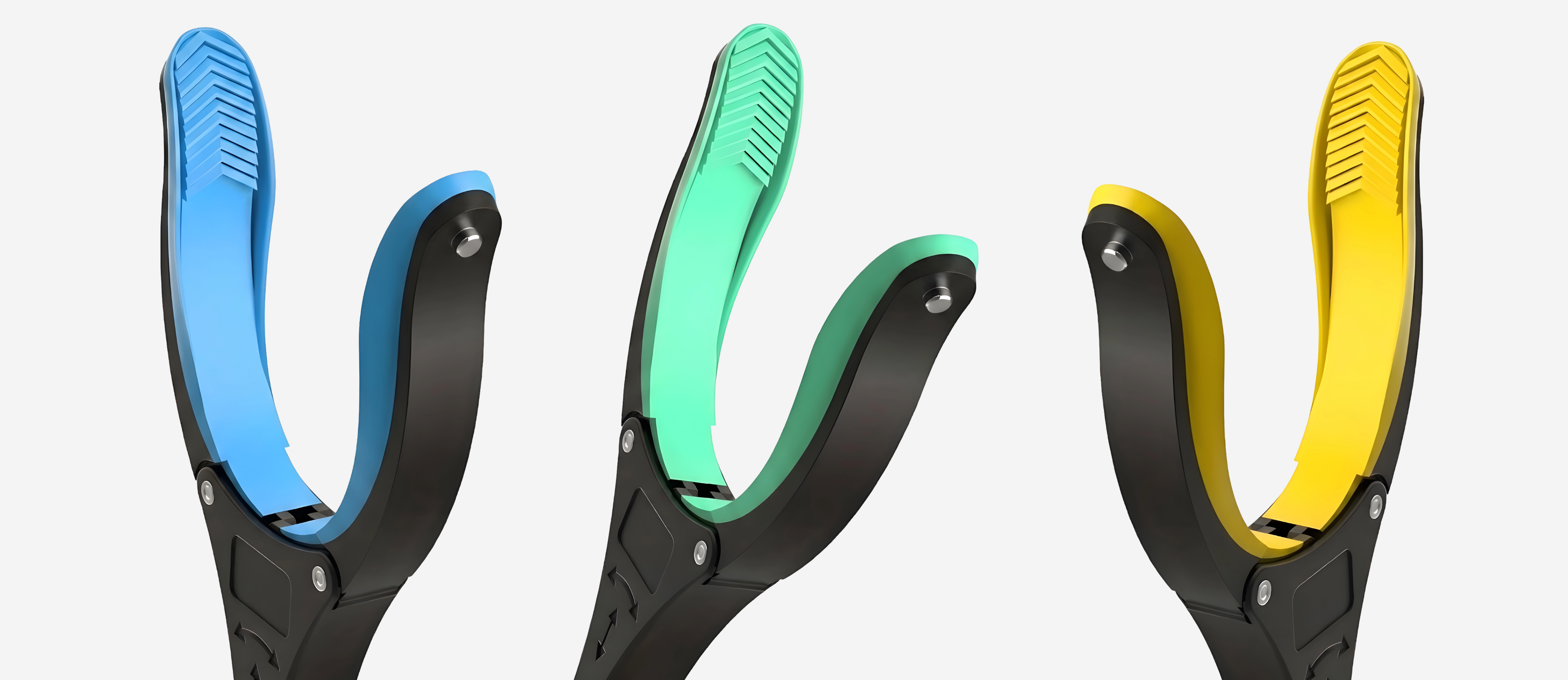
The standard kitchen was designed for a standing 5-foot-8-inch person with bilateral functional arms and full spinal range of motion. A wheelchair user brings a fundamentally different functional profile: seated height changes the usable counter range, the reach envelope is defined by arm extension from a seated torso, and the floor-to-ceiling range of accessible shelving is compressed compared to what a standing person can use. Kitchen independence for wheelchair users requires either kitchen modification (lowered counters, roll-under knee clearance) or adaptive tools and strategies that compensate for the standing-kitchen design. GrabbersTool tools address the adaptive compensation approach.
Direct answer: for wheelchair users, the kitchen adaptive tool priorities are: a 43 inch Reacher Grabber for items above standing shoulder height or at floor level (both outside seated reach envelope); Electric Jar Opener and Electric Can Opener at counter height (electric operation eliminates the one-handed countertop bracing problem of manual openers); and item placement strategy that positions daily items within the seated reach zone. Full wheelchair kitchen independence typically also requires home modifications (lowered work surfaces) that are outside GrabbersTool scope.
The Seated Reach Envelope
A wheelchair user reaches from a seated position with a torso height typically 18-22 inches from the seat surface. The functional reach range in front:
- Maximum forward reach: approximately 15-24 inches forward depending on arm length and trunk stability
- Comfortable work height: approximately 28-30 inches from floor (for a standard wheelchair seat height of 18-20 inches)
- Maximum safe overhead reach from wheelchair: approximately 48-54 inches from floor (varies significantly by trunk stability)
- Floor-level reach: not possible directly -- requires reaching aid
Standard kitchen counter height is 36 inches -- accessible for wheelchair users for countertop tasks if knee clearance exists beneath the counter. Standard upper cabinet height starts at 54 inches and extends to 84 inches -- partially to fully outside the wheelchair reach envelope.
Reacher Grabber Application for Wheelchair Kitchen Use
| Location | Challenge for Wheelchair User | Reacher Solution |
|---|---|---|
| Upper cabinets (54-84 inches) | Above safe seated overhead reach | 43 inch Reacher extends reach to approximately 80+ inches from seated |
| Lower cabinets (below counter) | Deep cabinet floor access requires leaning forward | 43 inch Reacher retrieves items without forward lean instability |
| Floor-level drops | No floor access without reacher | 43 inch Reacher essential -- closest substitute for unavailable floor bend |
| Standard counter (36 inches) | Accessible for most wheelchair users at countertop | No reacher needed at this height if knee clearance exists |
The 43 inch Reacher Grabber specifications -- including jaw width and weight capacity -- are on the product page. View specifications
Electric Openers and One-Handed Kitchen Challenge
Manual jar opening requires two functional hands: one to stabilize the jar, one to rotate the lid. A wheelchair user who needs one hand to brake the chair or maintain seated balance during the task may effectively have only one reliable hand for kitchen tasks at certain moments. The electric jar opener addresses this: place the opener over the jar on the counter (one-hand placement action), press the button (one-hand button press). The jar is stabilized mechanically by the opener during operation -- no second hand required for stabilization.
Appliance Positioning for Seated Access
Electric kitchen openers should be positioned at the front edge of the counter, within comfortable seated forward reach (approximately 10-15 inches from the counter edge for most wheelchair users). Positioning appliances at the back of the counter requires a longer forward lean that may compromise seated stability. GrabbersTool recommends the following counter positioning for wheelchair users:
- Electric jar opener: front edge of counter, at the primary food preparation position
- Electric can opener: same zone, accessible from the wheelchair approach position
- Multi-opener: within arm reach of the primary seated work area
Item Relocation Strategy
The most impactful single change for wheelchair kitchen users is relocating daily-use items from upper cabinets and high shelves into the seated reach zone: lower cabinets (front of cabinet, not back), accessible drawer space, and countertop storage. Items used every day should require no reacher at all. The reacher is reserved for occasional-use items that cannot be permanently relocated to lower storage. This item relocation strategy multiplies the value of every adaptive tool by reducing the number of times each tool needs to be used.
See also: Spinal Cord Injury and Home Setup: Adaptive Tools for Full Home Independence and Adaptive Tools for Apartment Living: Small Space Independence.
Browse Reacher Grabber Tools, Long Reach Grabber Tools, and Easy Grip Kitchen Openers.


