

Pulmonary fibrosis -- particularly idiopathic pulmonary fibrosis (IPF) and other forms of interstitial lung disease (ILD) -- creates an adaptive tool need driven by a specific physiological constraint: exertion-induced desaturation. Unlike musculoskeletal conditions where the barrier is mechanical (cannot bend, cannot grip), ILD patients may be physically capable of bending, gripping, and reaching -- but the metabolic cost of those activities causes oxygen saturation to drop acutely. The adaptive tools that matter for ILD are those that reduce the metabolic effort of daily tasks, not just the mechanical effort. GrabbersTool engages with ILD customers primarily around kitchen tools, because meal preparation is one of the highest-exertion daily activities for oxygen-dependent patients.
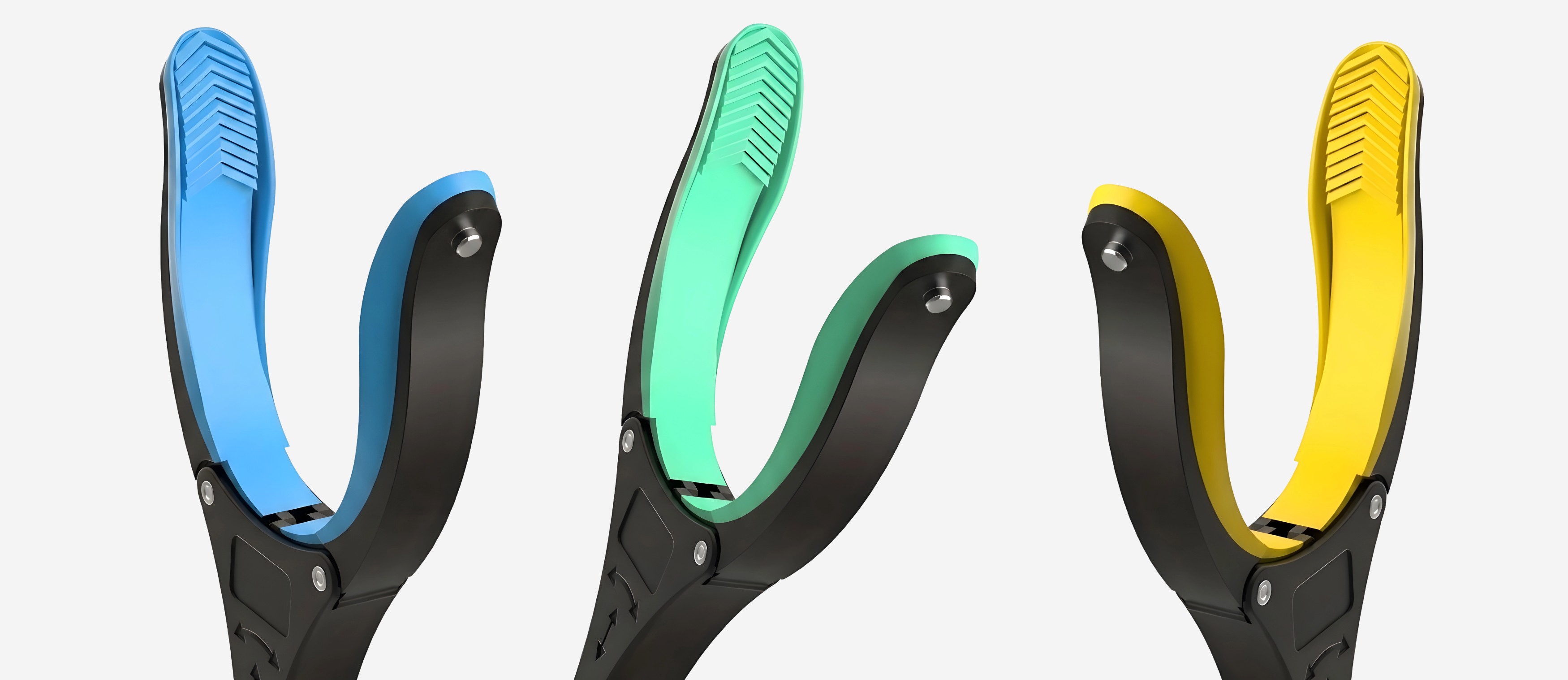
Direct answer: for pulmonary fibrosis and oxygen-dependent patients, the primary adaptive tools are those that minimize exertion per task: the Electric Jar Opener and Electric Can Opener (sustained physical effort for cooking is conserved for higher-priority activities when opening is automated), and the Reacher Grabber (stooping for floor items is a high-exertion, desaturation-prone posture for ILD patients). The Walking Cane is relevant for patients whose exercise tolerance has declined to where indoor ambulation requires support.
Exertion-Induced Desaturation and Adaptive Tool Strategy
The energy conservation framework is central to ILD management and is typically introduced by pulmonary rehabilitation programs. The principle: total daily activity budget is limited by gas exchange capacity; activities that consume large portions of that budget (bathing, cooking, housework) must be made as metabolically efficient as possible to leave reserve for social and meaningful activities. Adaptive tools fit directly into this framework -- not as accommodations for physical inability, but as efficiency tools that reduce the energy cost of necessary tasks. GrabbersTool customers with IPF describe the electric jar opener specifically in these terms: the two minutes of effortful manual jar-opening they eliminated is two minutes of oxygen reserve they have for walking to the mailbox or visiting with family.
ILD Progression and Adaptive Tool Timeline
| ILD Stage | Typical Functional Status | Adaptive Tool Priority |
|---|---|---|
| Early ILD (mild restriction) | Exertional dyspnea with significant effort; no supplemental oxygen at rest; most ADLs possible | Electric openers for kitchen efficiency; reacher to avoid desaturation-prone postures |
| Moderate ILD | Supplemental oxygen with exertion; dyspnea with light activity; cooking capacity limited | Full kitchen adaptive tool setup; walking cane for indoor stability; energy conservation priority |
| Severe ILD (continuous O2) | Supplemental oxygen at rest; severe activity limitation; increasing caregiver involvement | All tools used to preserve independent function as long as possible; caregiver tool education |
Product specifications are on each GrabbersTool product page. View Electric Jar Opener specifications.
Oxygen Tubing Management and Kitchen Safety
Patients on continuous supplemental oxygen via nasal cannula and portable concentrator or liquid oxygen face a specific kitchen challenge: oxygen tubing creates a trip hazard and a restriction on distance from the oxygen source. Adaptive tools that allow tasks to be completed with less movement through the kitchen (electric openers at a fixed counter position; reacher to retrieve dropped items without walking to another area) reduce the functional impact of oxygen tubing constraints. GrabbersTool customers on continuous oxygen describe positioning all adaptive kitchen tools at a single, oxygen-accessible counter station as the key spatial strategy: everything needed for meal preparation is within the tubing radius from the concentrator, and tools that require exertion are minimized within that zone.
Caregiver Education for ILD Patients
As ILD progresses, family caregivers become increasingly involved in meal preparation and kitchen tasks. The same adaptive tools that help the ILD patient help the caregiver -- particularly electric openers that reduce fatigue for the caregiver who may be performing repeated opening tasks for a family member. GrabbersTool recommends that ILD patients introduce adaptive tools to family caregivers proactively, before the caregiver role becomes urgent, so the learning curve is completed during a lower-stress period. See also: Caregiver Self-Care and Adaptive Tools Guide and Introducing Adaptive Tools to Resistant Family Members.
Browse Easy Grip Kitchen Openers, Reacher Grabber Tools, and Ergonomic Mobility Solutions.


