

Rotator cuff repair is one of the most common shoulder surgeries performed, with over 400,000 procedures annually in the United States. The recovery creates an adaptive challenge that GrabbersTool encounters frequently: a strict immobilization period (typically 4-6 weeks in a sling for large repairs) that renders the dominant arm non-functional for all practical purposes. Unlike hip replacement, where both arms are available, rotator cuff repair patients are managing one-handed -- and if the surgery was on the dominant side, they are managing with their non-dominant hand for the most demanding recovery period. This produces a kitchen and daily living crisis that adaptive tools can substantially resolve.
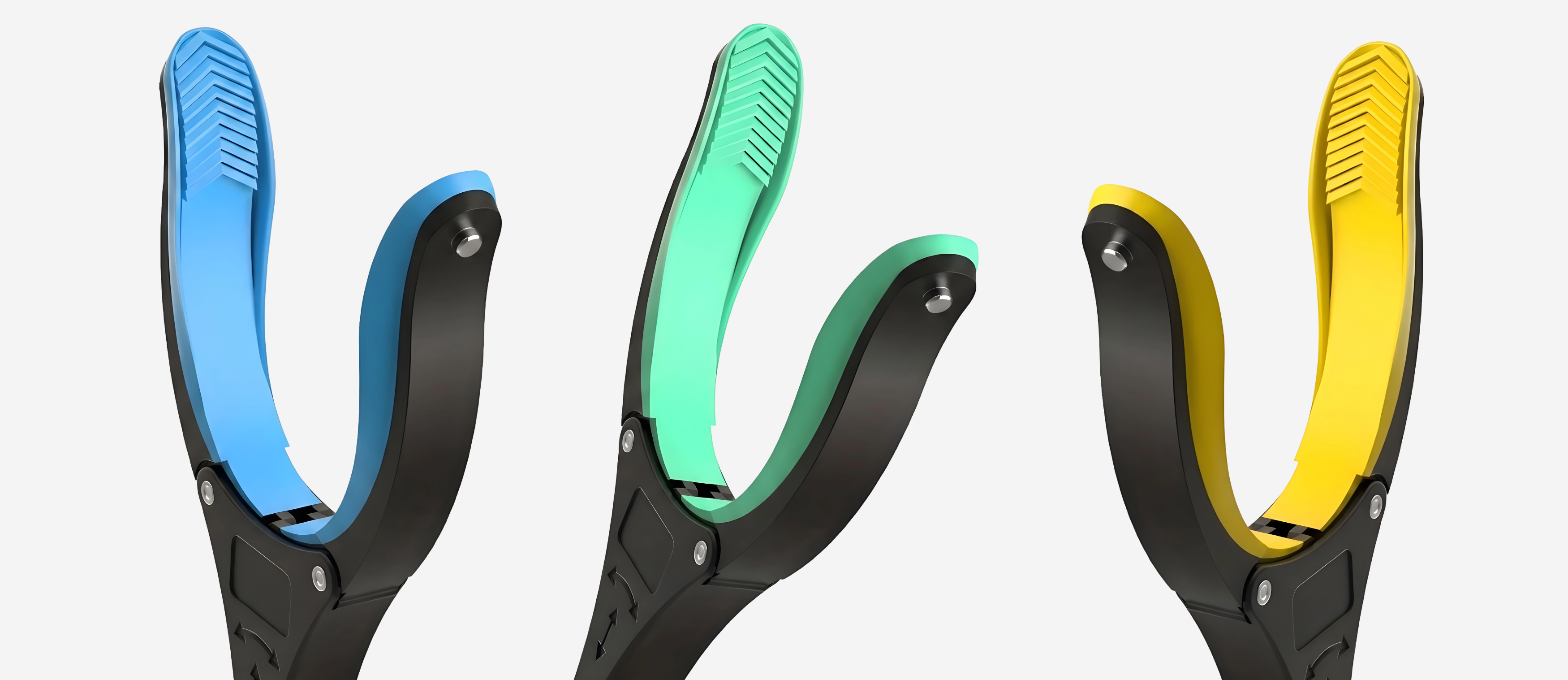
Direct answer: for rotator cuff repair recovery, the critical tools are the Electric Jar Opener (one-handed jar opening with the non-operative arm is essentially impossible without assistance; the electric opener eliminates the problem), the Electric Can Opener (same principle -- one-button, one-arm operation), the 5-in-1 Multi-Opener for caps and tabs, and the Reacher Grabber for floor retrieval when bending with one arm in a sling destabilizes balance.
Rotator Cuff Recovery Phases and Adaptive Tool Use
| Recovery Phase | Arm Status | Adaptive Tool Priority |
|---|---|---|
| Weeks 1-6: Strict immobilization | Sling required at all times except prescribed exercises; operative arm essentially non-functional | Electric jar opener; electric can opener; 5-in-1 multi-opener; reacher for balance-safe floor retrieval |
| Weeks 6-12: Passive ROM phase | Sling weaning begins; passive shoulder motion permitted; no active use of repaired tendon | Continue electric openers; reacher as needed; walking cane for patients with balance concerns |
| Months 3-6: Active ROM and strengthening | Active shoulder motion returning; strengthening beginning; function progressively returning | Adaptive tools phased out as function returns; electric openers may remain as convenience |
Specifications for all GrabbersTool products are on the product pages. View Electric Jar Opener specifications.
Dominant vs. Non-Dominant Arm Surgery
The side of surgery is the most important variable in rotator cuff adaptive tool planning. Non-dominant arm repairs are significantly more manageable: the dominant hand is functional throughout recovery, and one-handed tasks with the dominant hand are largely achievable. Dominant arm repairs create a genuine functional crisis during the sling period, because the patient must complete all daily tasks with a hand they have never used as primary. GrabbersTool customers who have had dominant-arm rotator cuff repairs describe the learning curve of one-handed cooking with the non-dominant hand as the most challenging aspect of early recovery -- more challenging than pain management. Electric openers are particularly valuable in this context: they require one button press and no fine motor skill, making them equally accessible to the dominant or non-dominant hand.
Pre-Surgical Preparation for Rotator Cuff Repair
Rotator cuff repair is almost always scheduled in advance, often weeks to months after diagnosis and conservative treatment failure. This lead time is an opportunity for complete adaptive tool preparation. GrabbersTool recommends acquiring and positioning all adaptive tools before surgery day: electric openers on the counter, reacher accessible in kitchen and bedroom, and kitchen reorganized so all daily-use items are at mid-level without requiring overhead reaching. The surgeon and occupational therapist will typically provide a pre-op equipment list -- GrabbersTool tools address the kitchen and retrieval components of that list. See also: Shoulder Replacement Recovery Adaptive Tools Guide.
Browse Easy Grip Kitchen Openers, Reacher Grabber Tools, and Ergonomic Mobility Solutions.


