

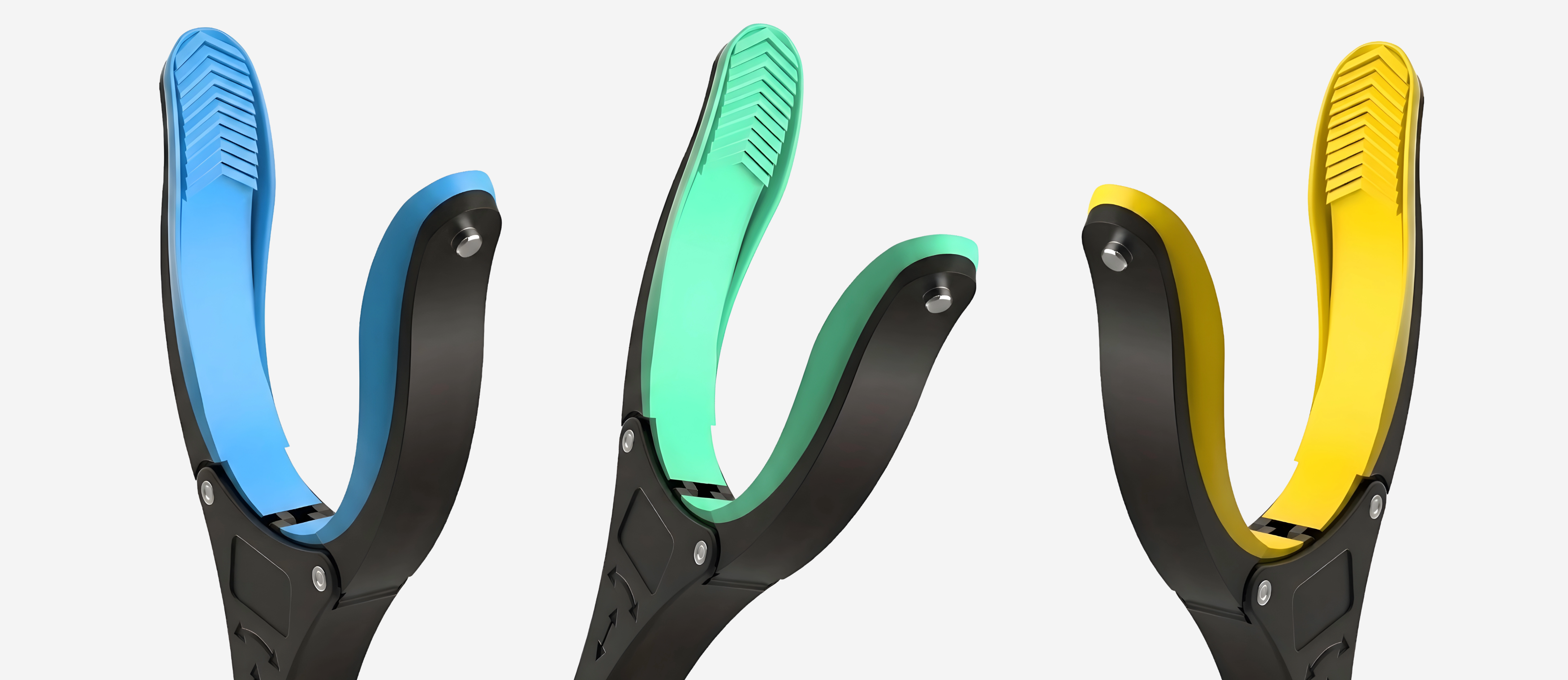
Aging-in-place kitchen independence is one of the most important functional goals for older adults. The kitchen represents a complex ADL environment combining mobility demands (reaching, bending, standing), fine motor demands (grip, twist, manipulate), cognitive demands (recipe sequencing, safety monitoring), and sensory demands (vision, hearing, temperature sensing). Common age-related changes affecting kitchen function include: sarcopenia (age-related muscle loss, affecting grip strength and proximal carrying capacity); osteoarthritis (affecting hands, knees, hips, and shoulders); reduced balance and fall risk (critical in kitchen environment where falls have high injury severity); reduced grip strength (mean grip strength declines 1-2% per year after age 40); reduced visual acuity (affecting kitchen label reading, measuring, and fine motor visual guidance); reduced hearing (missing kitchen timers and smoke alarms); and multiple comorbidities in many older adults (combinations of arthritis, cardiac disease, diabetes, prior stroke, or orthopedic surgery that compound kitchen limitations). The occupational therapy concept of aging-in-place kitchen modification encompasses: adaptive tools (compensate for lost function), environmental modification (kitchen reorganization, accessibility changes), and compensatory strategies (behavioral changes to preserve kitchen independence). This comprehensive guide covers all major adaptive kitchen tools for seniors with evidence-based rationale.
Direct answer: The most important adaptive kitchen tools for seniors are: (1) reacher grabber for overhead and low-level kitchen reach without bending or overextension; (2) electric jar opener for grip strength loss; (3) ergonomic utensils with large handles; (4) non-slip surfaces and kitchen seating. The GrabbersTool 32-inch Reacher and Electric Jar Opener are the two most universally recommended senior kitchen adaptive tools by occupational therapists.
Senior Kitchen Adaptive Tools: Category Guide
| Kitchen Challenge | Age-Related Cause | Adaptive Tool Solution |
|---|---|---|
| Overhead kitchen cabinet reach | Sarcopenia causing shoulder muscle weakness (deltoid, rotator cuff); arthritis limiting shoulder elevation; balance concerns with overhead reaching; reduced ankle dorsiflexion limiting tiptoeing for overhead reach; fear of falling while reaching | GrabbersTool 32-inch Reacher for standard kitchen overhead reach; 43-inch Reacher for taller seniors or deeper overhead shelf access; kitchen reorganization to move frequent items to accessible counter-height locations |
| Low kitchen reach and floor-level item retrieval | Hip and knee OA limiting bending; balance instability when bending forward; lumbar disc disease or spinal stenosis making lumbar flexion painful; vertebral compression fracture pain with bending; reduced lower extremity flexibility limiting forward reach | GrabbersTool 32-inch Reacher for floor-level kitchen item retrieval without bending; kitchen organization to store rarely used items in low cabinets and frequently used items at waist height; rubber-tip reacher jaw to secure items from floor without dropping |
| Jar opening and kitchen container access | Grip strength decline (mean grip 35% lower at age 75 vs age 35); thumb CMC basal joint arthritis (the most common hand OA location, directly impairing jar opening grip and pinch); lateral epicondylitis (golfer elbow) from repetitive kitchen twisting; wrist OA; metacarpal fracture history | GrabbersTool Electric Jar Opener fully compensates for grip strength loss in jar opening -- no hand force required; rubber jar opening grips for mild grip weakness; wall-mounted jar opener for reliable single-handed kitchen jar access |
| Kitchen standing tolerance and fatigue | Knee and hip OA causing pain with prolonged standing; cardiac or pulmonary limitation reducing kitchen standing endurance; peripheral vascular disease (venous insufficiency, PAD) causing leg fatigue and pain with standing; neurogenic claudication from lumbar stenosis; peripheral neuropathy causing unstable standing | Kitchen perch stool for sit-stand kitchen work; anti-fatigue kitchen mat for older adults with lower extremity pain during kitchen standing; all-seated food preparation technique; slow cooker and instant pot cooking requiring only brief standing to load; kitchen counter seating for seated chopping and preparation |
| Kitchen safety and fall prevention | Age-related balance decline (reduced proprioception, vestibular function, visual acuity, and lower extremity strength all contribute); medication side effects (antihypertensives, diuretics, sedatives, antidepressants increasing fall risk); kitchen hazard density (wet floors, reaching, bending, pivoting); prior fall history predicting future fall risk | Non-slip kitchen floor surface; kitchen handrail on kitchen walls adjacent to stove and sink; reacher grabber to eliminate reaching and bending fall-risk positions in the kitchen; remove kitchen floor rugs; adequate kitchen lighting; kitchen safety assessment by occupational therapist for comprehensive fall risk modification |
Occupational Therapy Kitchen Assessment for Seniors
An occupational therapy (OT) home visit kitchen assessment is the most effective approach to identifying kitchen safety risks and adaptive equipment needs for senior aging-in-place. OT kitchen assessment includes: functional task observation (watching the patient prepare a meal to identify limitations); environment safety assessment; adaptive equipment trial and recommendation; caregiver education; and follow-up as function changes.
See the full adaptive tools collection for senior kitchen independence support.


