

ACL reconstruction (ACLR) is among the most common orthopedic surgeries, performed to restore knee stability after ACL rupture. Graft sources include bone-patellar tendon-bone (BPTB), hamstring tendon autograft, and quadriceps tendon autograft. Post-ACLR protocol has evolved toward accelerated rehabilitation: most patients are weight bearing as tolerated (WBAT) immediately with crutches for 1-2 weeks for comfort, then progress to full weight bearing. This differs markedly from older protocols requiring prolonged non-weight bearing. However, the brace worn after ACLR (typically a range-of-motion brace locked in extension initially) and the early quadriceps weakness after ACLR significantly affect kitchen function during the first 2-4 weeks. Quadriceps inhibition after ACLR (arthrogenic muscle inhibition, AMI) means the quadriceps cannot generate full force early after surgery regardless of the rehabilitation protocol -- stair use, rising from chairs, and sustained kitchen standing require compensatory strategies. After BPTB autograft, anterior knee pain (patellar tendon harvest site) adds to the kitchen limitation. The early ACLR recovery phase (weeks 1-4) creates specific kitchen challenges that reachers and modified techniques address.
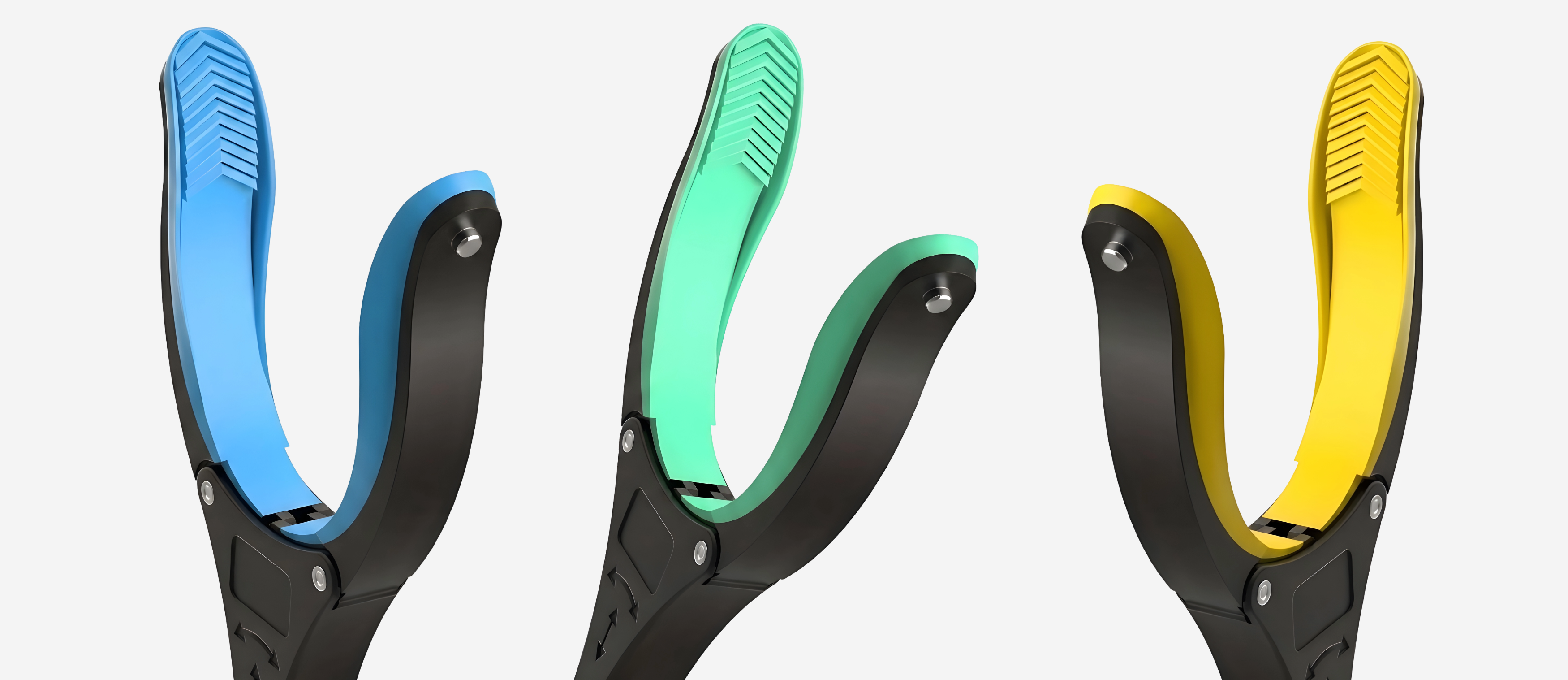
Direct answer: ACL reconstruction kitchen adaptive tools are primarily needed during weeks 1-4 post-surgery. Crutch use during WBAT weeks means item transport in the kitchen is one-handed or with a rolling cart. Low-level retrieval on an unstable post-ACLR knee risks falls. The GrabbersTool 32-inch Reacher reduces bending to floor level and low cabinets, minimizing knee flexion stress on the reconstruction during the first weeks.
ACL Reconstruction Kitchen Recovery Strategy
| Post-ACLR Feature | Kitchen Impact | Adaptive Solution |
|---|---|---|
| Crutch use (weeks 1-2, WBAT) | Weight bearing as tolerated with crutches means limited ability to carry items while walking; kitchen transport restricted; getting items from the counter to the table requires rolling cart or one-handed management; brace adds bulk and affects lower extremity clearance in kitchen spaces | Rolling kitchen cart for item transport; countertop sliding; pre-stage items needed before meal time; caregiver assistance during crutch phase; reacher for low-level retrieval to avoid floor-level bending while on crutches |
| Quadriceps inhibition and brace (weeks 1-6) | Quadriceps inhibition after ACLR causes knee buckling risk; prolonged standing without quadriceps support fatiguing; brace adds weight and limits some kitchen movements; extension-locked brace for first 1-2 weeks prevents knee bending (cannot kneel to access low kitchen cabinets safely) | Seated kitchen preparation; reacher for low kitchen access instead of kneeling; avoid standing for prolonged kitchen tasks during early quadriceps weakness; orthopedic physical therapist guidance on activity progression; quadriceps strengthening exercises to restore strength and kitchen standing tolerance |
| Post-BPTB anterior knee pain (harvest site) | BPTB autograft harvest removes the central third of the patellar tendon and inferior pole of the patella; kneeling onto the anterior knee is extremely painful after BPTB for months; kitchen tasks requiring kneeling (reaching low cabinet, floor-level access) contraindicated post-BPTB due to harvest site pain | Reacher grabber for all low-level kitchen access to avoid kneeling on BPTB harvest site; kitchen reorganization to waist level; kneeling pads or knee scooter inappropriate for BPTB due to harvest site; occupational therapist for BPTB-specific kitchen adaptations |
See the 32-inch Reacher for ACL reconstruction kitchen recovery support.


