

Ankle fractures are among the most common lower extremity fractures, occurring across a wide age range from sports injuries (young adults) to falls (older adults with osteoporosis). Surgical treatment with open reduction and internal fixation (ORIF) is indicated for displaced, unstable, or complex ankle fractures (bimalleolar, trimalleolar, Weber B and C fibula fractures with medial instability). Post-ORIF ankle fracture protocol typically requires 6-8 weeks of non-weight bearing (NWB) on the operative ankle, followed by protected weight bearing in a walking boot and progression to full weight bearing over several weeks. The NWB phase is functionally the most challenging: the patient is on crutches, cannot bear weight on the operative leg, cannot carry items while ambulating, and has significantly restricted kitchen access and transport ability. Knee scooters (wheeled knee walker devices) are commonly used as an alternative to crutches for ankle fracture NWB; knee scooters allow one-handed transport since the operative leg rests on the scooter platform while the patient pushes with the contralateral leg. Kitchen independence during ankle fracture NWB recovery is a primary occupational therapy goal: patients are otherwise healthy and want to cook and prepare meals independently but face transportation and mobility challenges.
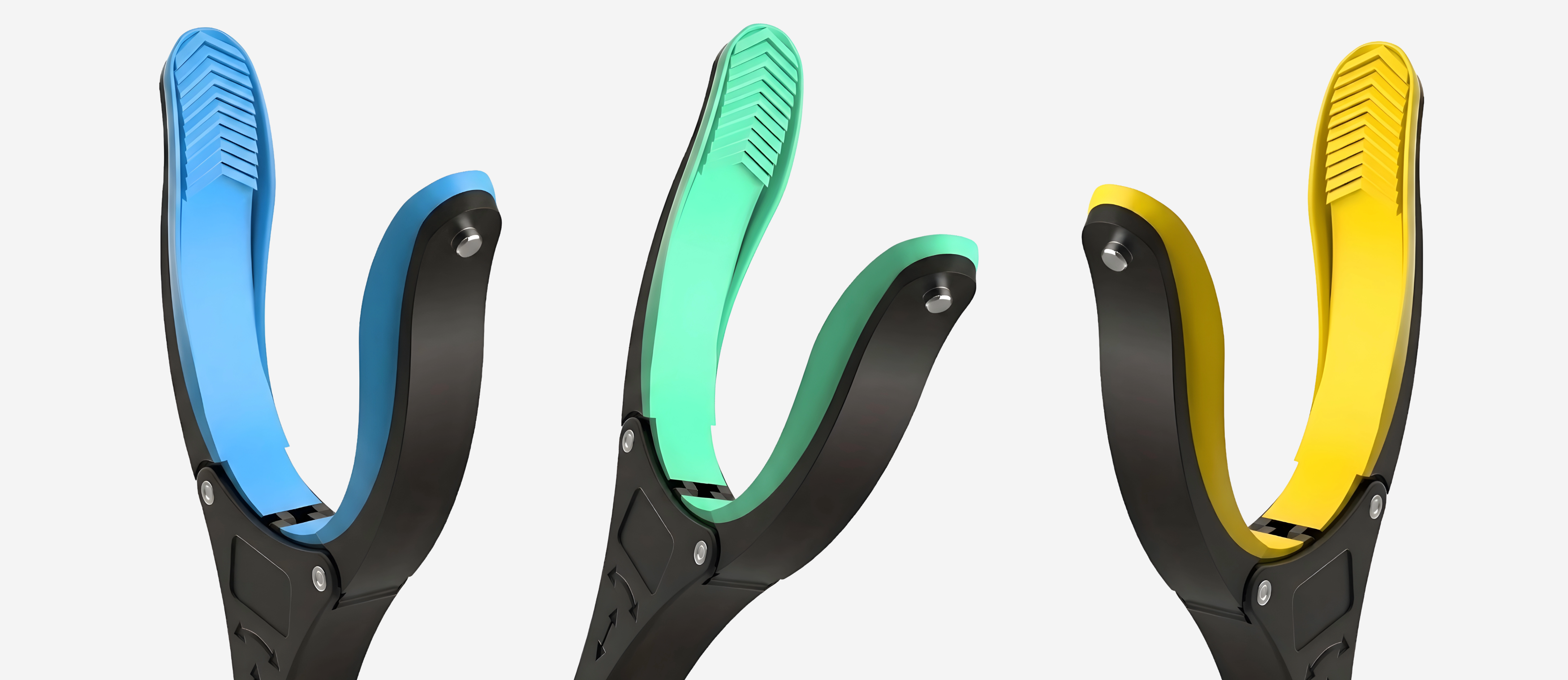
Direct answer: Ankle fracture ORIF kitchen adaptive tools are essential during the 6-8 week NWB phase. The core need is item transport on crutches (rolling cart, countertop sliding, or knee scooter). Low-item retrieval without dangerous floor-bending on one-legged stance requires a reacher. The GrabbersTool 32-inch Reacher is the most useful single adaptive tool for ankle fracture NWB kitchen recovery.
Ankle Fracture ORIF Kitchen Recovery Strategy
| Ankle ORIF Recovery Feature | Kitchen Impact | Adaptive Solution |
|---|---|---|
| NWB on crutches (6-8 weeks) | Crutch ambulation means both hands occupied; no items can be carried; getting anything from one kitchen location to another requires adaptive strategy; pouring from the coffee machine to a table involves either a rolling cart or dangerous single-crutch balancing; the kitchen is one of the most functionally demanding environments for NWB crutch ambulation | Rolling kitchen cart as the primary transport solution for crutch-phase ankle ORIF; knee scooter (if prescribed) allows one-handed transport; countertop sliding between adjacent counter areas; pre-stage all needed items before sitting; reacher for floor-level drops and low cabinet retrieval; caregiver assistance for heavy pots and baking items |
| Single-leg balance during kitchen tasks (crutch NWB) | Standing at the kitchen counter on one leg while holding crutches for support is unstable; preparing food (chopping, stirring) while balancing on one leg and managing crutches for support is difficult and fall-risky; fatigue increases fall risk during prolonged kitchen tasks | Seated kitchen preparation (tall kitchen stool or rolling chair); arrange all needed items within reach before sitting; knee scooter provides more stable kitchen standing than crutches (both feet-equivalent support with the scooter); minimize standing kitchen tasks during NWB phase |
| Low-level item retrieval on one leg | Bending to reach the floor or low cabinets while on one leg (with or without crutches) creates fall risk; items dropped during cooking cannot be safely retrieved without adaptive tools; kitchen floor-level items inaccessible without bending and one-legged balance challenge | Reacher grabber (GrabbersTool) for floor-level and low-cabinet retrieval without bending; store kitchen items used during NWB phase at waist height or above; rubber suction grippers on the reacher jaw handle dropped items from smooth kitchen floors |
See the 32-inch Reacher for ankle fracture ORIF kitchen recovery support.


