

Acute compartment syndrome (ACS) is a surgical emergency caused by elevated pressure within an osteofascial compartment exceeding perfusion pressure, causing ischemia of enclosed muscles and nerves. ACS causes: intense, disproportionate pain; pain with passive stretch of the involved muscles; pallor, paresthesia, paralysis, pulselessness, and poikilothermia (the 5-6 Ps, though absent pulses is a late finding). Emergency fasciotomy (incision through the fascia to decompose compartment pressure) is the definitive treatment and must be performed within 6 hours of ACS onset to prevent permanent muscle and nerve ischemia damage. Common ACS sites requiring fasciotomy: the forearm (from distal radius fractures, crush injuries, or reperfusion after vascular injury), the lower leg (4-compartment fasciotomy of the anterior, lateral, superficial posterior, and deep posterior compartments -- most common fasciotomy), the thigh (less common), and the foot (high-energy foot trauma). Fasciotomy leaves large open wounds (the skin cannot be primarily closed after fasciotomy as skin closure would recreate compartment pressure) -- fasciotomy wounds are managed with wound VAC (vacuum-assisted closure), skin grafting, or delayed primary closure over days to weeks. Kitchen function after fasciotomy is affected by: wound healing and dressing management (fasciotomy wounds are large, open, and require wound VAC or daily dressing changes); the underlying injury that caused ACS (fracture, crush injury, vascular repair); and functional muscle or nerve loss if ACS ischemia caused permanent damage before or despite fasciotomy.
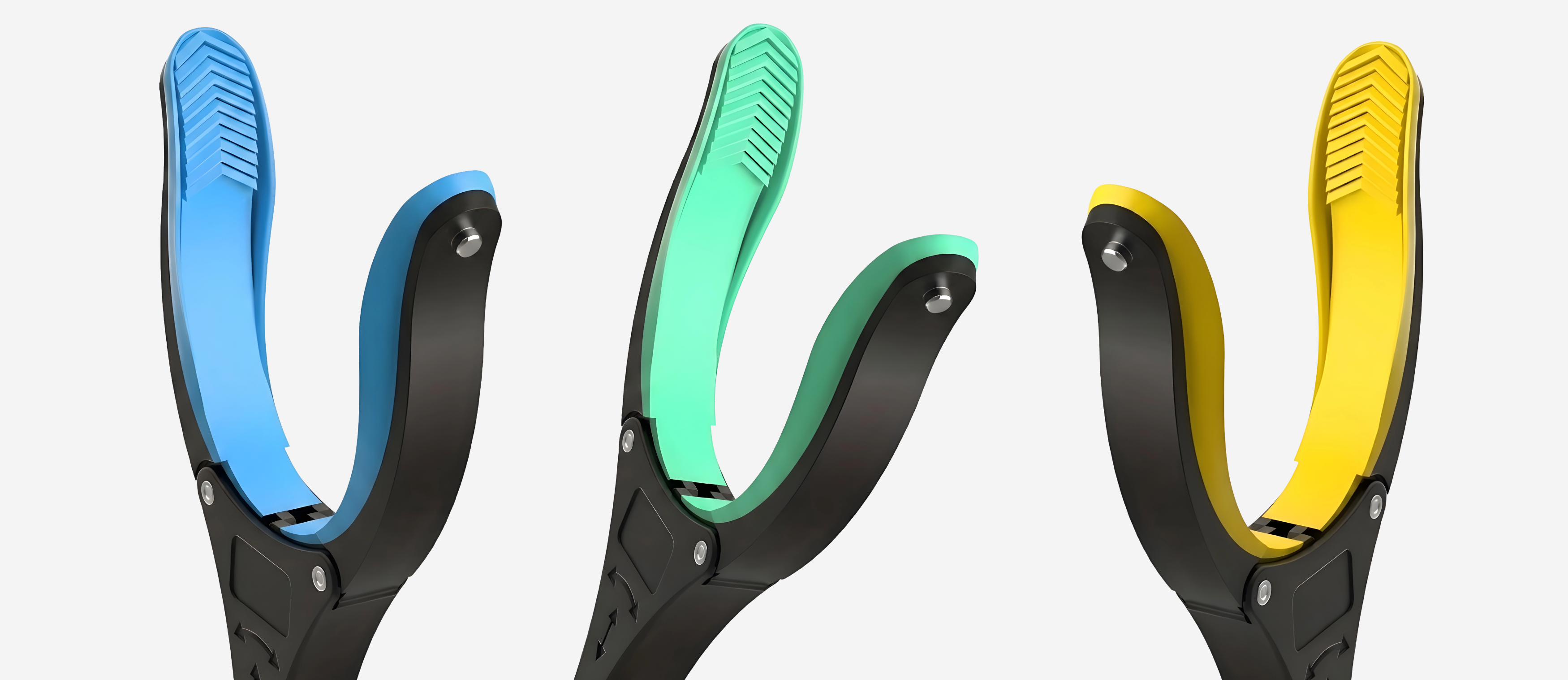
Direct answer: Fasciotomy kitchen recovery adaptive tools depend on the fasciotomy location: forearm fasciotomy requires one-handed kitchen adaptation and electric opener; lower extremity fasciotomy requires seated kitchen preparation and reacher for reduced mobility. The GrabbersTool 32-inch Reacher compensates for lower extremity fasciotomy mobility restrictions preventing kitchen bending and reaching.
Fasciotomy Kitchen Recovery Strategy by Location
| Fasciotomy Location | Kitchen Recovery Restriction | Adaptive Solution |
|---|---|---|
| Forearm fasciotomy kitchen recovery (from distal radius fracture ACS, crush injury, vascular repair) | Forearm fasciotomy creates a large longitudinal incision over the volar and often dorsal forearm; wound VAC or dressing management requires daily wound care; the involved forearm and hand are non-functional during ACS recovery -- wound pain, swelling, and often intrinsic hand muscle damage from ACS ischemia significantly impair grip and fine motor function; the underlying injury (fracture, crush) adds additional immobilization; forearm fasciotomy may result in permanent muscle fibrosis (Volkmann contracture) if ACS was severe or delayed -- causing permanent forearm and wrist contracture that permanently impairs kitchen grip; the non-involved hand is the functional kitchen hand during recovery | One-handed kitchen adaptation for forearm fasciotomy: all kitchen food preparation with the non-involved hand; electric jar opener (GrabbersTool) for one-handed jar opening -- requires only placement over jar lid, no bilateral hand use; suction-base cutting board for one-handed kitchen cutting; lightweight pots and kitchen items that can be managed one-handed; wound VAC management: ensure wound VAC tubing does not become a kitchen hazard; occupational therapy for hand and forearm function recovery post-fasciotomy (critical for Volkmann contracture prevention and treatment) |
| Lower extremity fasciotomy kitchen recovery (tibia, fibula fracture, crush ACS, 4-compartment leg fasciotomy) | Lower extremity fasciotomy creates bilateral (medial and lateral) incisions along the lower leg length; wound VAC management; non-weight-bearing on the fasciotomy leg due to underlying fracture or muscle damage (most lower extremity ACS is associated with fracture requiring ORIF, external fixation, or casting); kitchen mobility is severely restricted -- the patient is non-weight-bearing with crutches or non-ambulatory; kitchen access may require wheelchair; kitchen standing is impossible during non-weight-bearing phase; reaching down to floor level or up to high shelves requires balance that crutch-dependent non-weight-bearing prevents | Reacher grabber (GrabbersTool 32-inch) for lower extremity fasciotomy kitchen item retrieval without bending or reaching while on crutches; seated kitchen preparation (wheeled stool at counter height or wheelchair-accessible counter if available); caregiver meal preparation assistance during non-weight-bearing lower extremity fasciotomy phase (often 4-6 weeks non-weight-bearing if associated fracture); kitchen items pre-positioned at accessible height before injury (if planned surgery); gradual kitchen return as weight-bearing progresses per orthopedic surgeon guidelines |
| Long-term kitchen function after ACS muscle or nerve injury | If fasciotomy was delayed or ACS was severe, permanent muscle loss (muscle fibrosis) or nerve damage may result; forearm ACS causing Volkmann ischemic contracture creates permanent wrist and finger flexion contracture impairing kitchen grip permanently; lower extremity ACS causing anterior compartment muscle loss results in foot drop (inability to dorsiflex the foot) requiring AFO for walking -- permanent kitchen mobility and gait impairment; nerve injury from ACS causes permanent sensory loss in kitchen skin contact (burn risk from inability to feel kitchen heat); permanent strength loss in fasciotomy-affected muscles requires long-term kitchen adaptive strategies | Permanent kitchen adaptations for ACS sequelae: electric jar opener (GrabbersTool) for permanent forearm grip weakness from Volkmann contracture; reacher grabber for permanent lower extremity weakness and foot drop limiting kitchen bending and mobility; AFO (ankle-foot orthosis) for foot drop during kitchen standing and walking; heat protection (oven mitts, silicone kitchen gloves) for sensory loss from ACS nerve injury; occupational therapy for permanent post-ACS kitchen function assessment and adaptive equipment prescription |
See the Electric Jar Opener for forearm fasciotomy one-handed kitchen recovery support.


