

Thoracic outlet syndrome (TOS) comprises a group of conditions caused by compression of the neurovascular structures passing between the clavicle, first rib, and surrounding muscles (scalene muscles, pectoralis minor) in the thoracic outlet -- the space between the clavicle and first rib. The three subtypes are: neurogenic TOS (nTOS) -- compression of the brachial plexus (most common, approximately 95%); venous TOS (vTOS) -- subclavian vein compression causing Paget-Schroetter syndrome (effort thrombosis); and arterial TOS (aTOS) -- subclavian artery compression causing upper extremity ischemia. nTOS causes: arm, shoulder, and hand pain with overhead activity; paresthesias (numbness and tingling in the ulnar distribution: 4th and 5th fingers and medial forearm); weakness; and fatigue with sustained overhead arm positions. TOS surgical treatment (indicated when conservative therapy fails) involves: first rib resection (the most common approach -- can be via supraclavicular, transaxillary, or infraclavicular approach); scalenectomy (removal of the anterior scalene muscle); cervical rib resection (when an anomalous cervical rib is present). Post-TOS surgery kitchen recovery is affected by: the axillary or supraclavicular incision; shoulder girdle muscle dissection; and the overhead arm avoidance restriction required during healing.
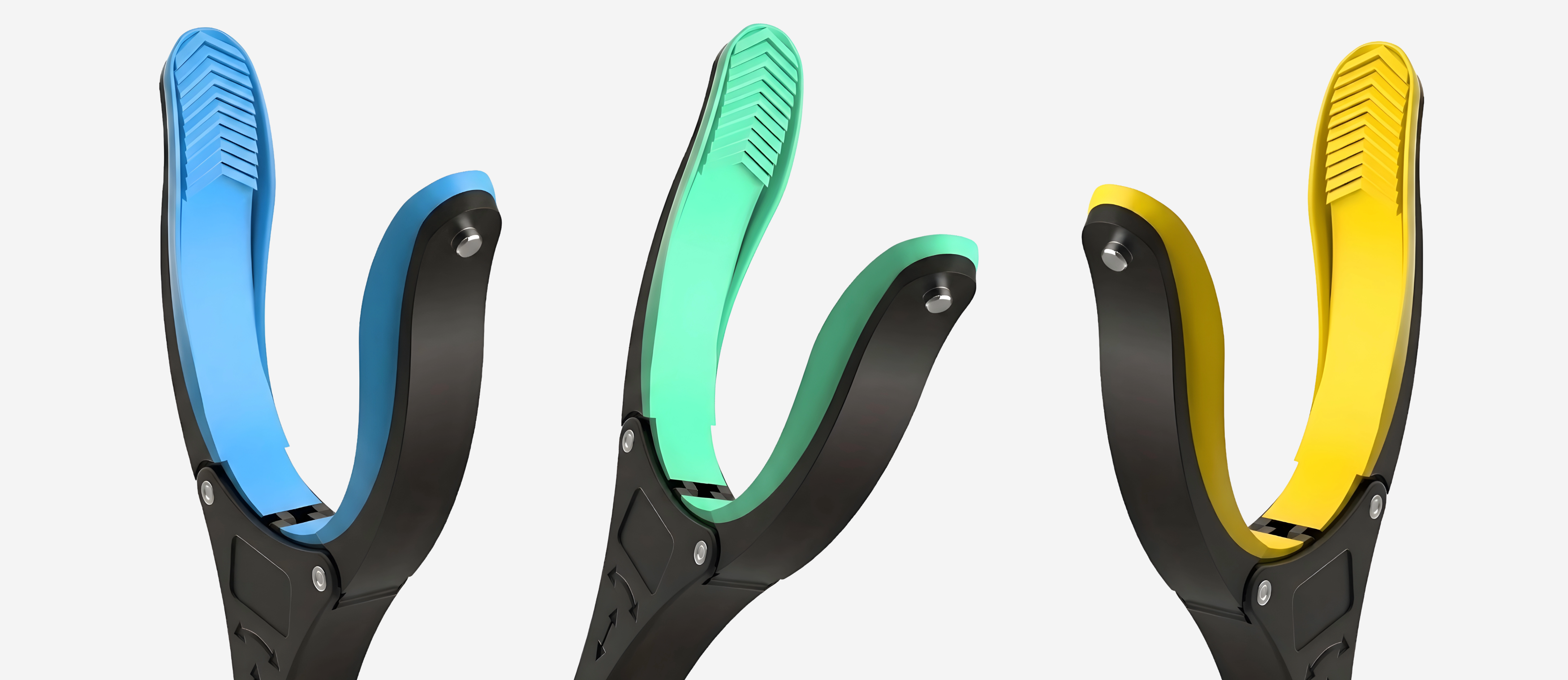
Direct answer: TOS surgery kitchen recovery adaptive tools address overhead arm restriction and shoulder girdle pain during the 4-6 week post-surgical period. The GrabbersTool 32-inch Reacher is the essential TOS surgery kitchen recovery tool -- replacing overhead arm reaching that the post-TOS surgical arm restriction prohibits.
TOS Surgery Kitchen Recovery Strategy
| TOS Surgery Phase | Kitchen Restriction | Adaptive Solution |
|---|---|---|
| Immediate post-TOS surgery (weeks 1-2): incision and shoulder girdle healing | TOS first rib resection via transaxillary approach creates an axillary incision that heals over 2 weeks; supraclavicular TOS approaches create a neck-to-shoulder incision; shoulder movement causes pain from both the incision and scalene muscle dissection; overhead arm movement is strictly avoided; arm sling may be used for comfort; lifting over a few pounds prohibited; kitchen tasks are severely limited in this phase; driving prohibited; pain from axillary incision makes ipsilateral arm use painful for all kitchen tasks | Reacher grabber (GrabbersTool 32-inch) for TOS surgery kitchen overhead reach prohibition -- the reacher is the primary tool replacing prohibited overhead kitchen arm movements; one-handed kitchen food preparation using the non-operated arm for most tasks; microwave cooking to avoid stovetop overhead reaching and heavy pot lifting; caregiver assistance for first 1-2 weeks post-TOS surgery; no lifting of kitchen items with the operated arm; seated kitchen preparation to reduce incision tension from standing postures; pain management per surgeon guidelines |
| TOS surgery recovery (weeks 3-6): progressive return to kitchen function | TOS surgery recovery weeks 3-6 involve progressive scar maturation; shoulder range of motion begins to improve with physical therapy; brachial plexus decompression symptoms (numbness, tingling) may improve over weeks to months as nerve healing occurs; overhead arm reaching remains restricted for kitchen tasks until surgeon clearance; kitchen grip strength on operated side remains reduced; fatigue from nerve recovery and surgical healing limits kitchen endurance; return to full kitchen activity is gradual over 4-8 weeks depending on TOS surgery type | Continue reacher grabber use for overhead kitchen reach until surgeon clears overhead activity (typically 6 weeks post-TOS surgery); progressive one-handed to two-handed kitchen reintroduction as operated shoulder heals; physical therapy is mandatory post-TOS surgery for shoulder range of motion recovery and prevention of recurrent TOS postures; electric jar opener (GrabbersTool) for reduced grip strength on operated side during TOS nerve recovery; avoid provocative kitchen postures (prolonged overhead arm use, heavy carries in the TOS-prone position) |
| Long-term TOS surgery kitchen considerations and TOS recurrence prevention | TOS surgery permanently decompresses the thoracic outlet by removing the first rib and scalene; long-term TOS recurrence is possible (5-15% depending on surgeon and approach); kitchen postures that provoked TOS before surgery should be permanently modified to reduce recurrence risk: prolonged overhead arm use during kitchen organizing; carrying heavy kitchen grocery bags; and sustained arm elevation during kitchen tasks; TOS nerve symptoms (numbness, tingling in 4th and 5th fingers) resolve gradually over months -- may persist for up to a year post-TOS surgery; kitchen function typically returns to normal by 3-6 months post-TOS surgery with appropriate physical therapy | Permanent kitchen ergonomic modification for TOS recurrence prevention: avoid prolonged overhead kitchen organization tasks; reacher grabber for regular overhead kitchen cabinet access (reduces the sustained overhead arm positions that provoke TOS); avoid heavy one-arm kitchen carries in the TOS-prone position (arm abducted and externally rotated with load); physical therapy for TOS postural correction (shoulder girdle strengthening, scalene stretching); TOS surgeon follow-up for any new or recurrent TOS symptoms during kitchen use |
See the 32-inch Reacher for thoracic outlet syndrome surgery kitchen recovery overhead reach support.


