

Hemophilia is an X-linked recessive inherited bleeding disorder caused by deficiency of clotting factors: hemophilia A (factor VIII deficiency, most common, approximately 80% of hemophilia) or hemophilia B (factor IX deficiency, Christmas disease). Severity correlates with residual factor level: severe hemophilia (less than 1% factor activity) causes spontaneous joint and soft tissue bleeds; moderate hemophilia (1-5% factor activity) causes bleeding with minimal trauma; mild hemophilia (5-40% factor activity) bleeds only with significant trauma or surgery. The most clinically significant hemophilia complication over time is hemophilic arthropathy -- joint destruction from recurrent hemarthrosis (intra-articular bleeding) -- caused by the inflammatory response to intra-articular blood (synovial iron deposition, synovitis, cartilage degradation). Target joints (knees, ankles, elbows -- in descending frequency) develop progressive hemophilic arthropathy with each bleed cycle; joint replacement (total knee or ankle arthroplasty) is increasingly performed in older hemophilia patients. Modern hemophilia treatment: prophylactic factor replacement (standard for severe hemophilia A and B); emicizumab (Hemlibra, a bispecific antibody mimicking factor VIII function, subcutaneous dosing for hemophilia A); fitusiran and concizumab (pipeline). Kitchen function in hemophilia is affected by: hemophilic arthropathy joint pain and limitation (especially knee and ankle affecting kitchen mobility, and elbow affecting kitchen arm use); acute hemarthrosis episodes; and bleeding risk from kitchen injury.
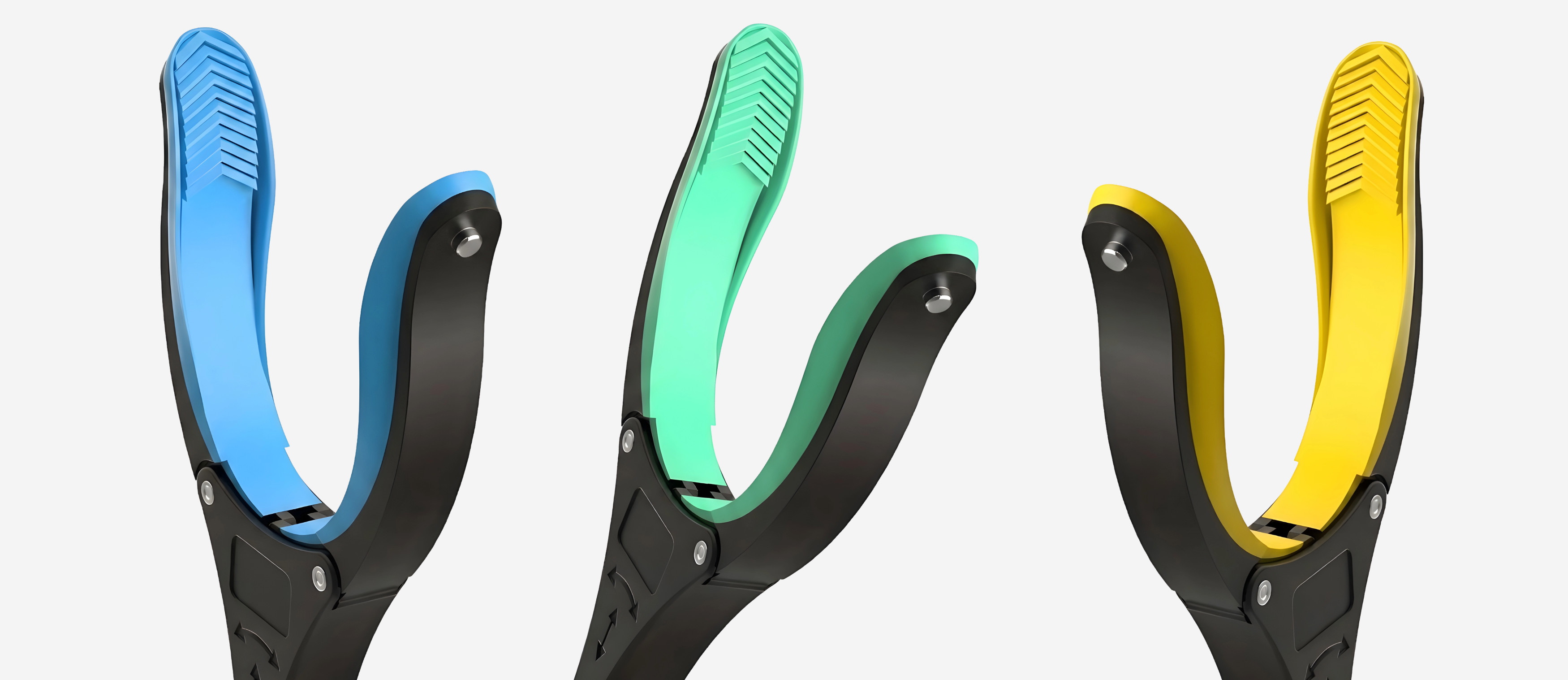
Direct answer: Hemophilia kitchen adaptive tools address hemophilic arthropathy joint pain (reacher for elbow arthropathy; seated kitchen preparation for knee and ankle arthropathy) and bleeding risk prevention (sharp kitchen implement safety, avoiding blunt kitchen trauma). The GrabbersTool 32-inch Reacher compensates for hemophilic elbow arthropathy limiting kitchen overhead reach and reduces fall risk that could trigger hemarthrosis.
Hemophilia Kitchen Adaptive Strategy
| Hemophilia Feature | Kitchen Impact | Adaptive Solution |
|---|---|---|
| Hemophilic arthropathy: knee and ankle joint destruction | Hemophilic arthropathy of the knee (the most common target joint in hemophilia) causes progressive knee joint pain, flexion contracture, and instability; kitchen standing on hemophilic arthritic knees is painful and limited; stair access to the kitchen is impaired with advanced knee hemophilic arthropathy; ankle hemophilic arthropathy causes pain with kitchen standing and equinus contracture from recurrent ankle hemarthrosis; hemophilic lower extremity arthropathy progressively limits kitchen standing duration over years; joint replacement (total knee arthroplasty in hemophilia) requires enhanced factor replacement perioperatively and carries higher bleeding complication risk than in non-hemophilia patients | Seated kitchen preparation for hemophilic knee and ankle arthropathy standing pain; anti-fatigue kitchen mat for hemophilic knee arthropathy standing tolerance; reacher grabber (GrabbersTool) to reduce kitchen bending and knee and ankle loading during low-level reaching; factor replacement therapy on hemarthrosis-affected days before kitchen activity; orthopedic evaluation for advanced hemophilic arthropathy (joint replacement candidacy); physical therapy for hemophilic arthropathy joint range of motion and pain management |
| Hemophilic elbow arthropathy affecting kitchen arm use | The elbow is the third most common target joint in hemophilia; hemophilic elbow arthropathy causes progressive elbow flexion contracture, pain with forearm rotation (pronation-supination), and grip weakness; kitchen tasks requiring elbow extension (reaching overhead kitchen cabinets), forearm rotation (twisting jar lids, stirring), and carrying (pot carrying requires elbow stability) are all affected; hemophilic elbow arthropathy progression is accelerated by continued hemarthrosis in the absence of adequate prophylaxis | Reacher grabber (GrabbersTool) for overhead kitchen reach with hemophilic elbow arthropathy limiting elbow extension; electric jar opener (GrabbersTool) eliminates forearm rotation torque at the hemophilic arthritic elbow during jar opening; lightweight kitchen tools to reduce elbow joint loading; emicizumab (Hemlibra) for hemophilia A patients reduces spontaneous bleeds including elbow hemarthrosis; hemophilia treatment center for elbow arthropathy management including factor prophylaxis optimization |
| Kitchen bleeding risk and hemarthrosis prevention | Kitchen injuries (lacerations from knives, cuts from sharp edges, blunt trauma from dropped kitchen items, falls on kitchen floors) carry higher bleeding consequences in hemophilia than in normal individuals; mild hemophilia patients may not bleed spontaneously but kitchen injury bleeding will be prolonged and severe; lacerations in hemophilia may require factor replacement to achieve hemostasis; fall in the kitchen in a severe hemophilia patient risks joint hemarthrosis, muscle hematoma, or intracranial hemorrhage; kitchen fall prevention is critical for hemophilia patients | Cut-resistant kitchen gloves for hemophilia patients handling kitchen knives and sharp kitchen implements; non-slip kitchen mats for fall prevention (falls in hemophilia carry risk of joint hemarthrosis); mandoline guards and food processor use to reduce exposed blade contact; factor replacement therapy per hemophilia treatment center for prophylaxis and acute kitchen injury bleeds; emicizumab (Hemlibra) prophylaxis for hemophilia A patients significantly reduces spontaneous and trauma-related bleeding; hemophilia treatment center emergency contact for kitchen injuries requiring factor replacement |
See the Electric Jar Opener for hemophilic elbow arthropathy forearm rotation restriction in kitchen jar opening.


