

Polymyalgia rheumatica (PMR) is a common inflammatory condition of older adults (almost exclusively over age 50, peak incidence 70-79 years) characterized by bilateral shoulder girdle and hip girdle aching and stiffness, with morning stiffness lasting more than 45 minutes as the hallmark feature. PMR is not a myopathy (muscle strength is preserved by formal testing); the pain and stiffness arise from tenosynovitis, bursitis, and periarticular inflammation around the glenohumeral, acromioclavicular, hip, and less commonly the sternoclavicular joints. The pathophysiology is a large-vessel and periarticular inflammatory process with striking ESR and CRP elevation. PMR responds dramatically and rapidly (within days) to corticosteroids -- the almost-complete resolution of PMR symptoms within 24-72 hours of prednisone is both diagnostic and therapeutic. Treatment requires prolonged low-dose prednisone therapy (typically 2-4 years), with attendant steroid side effects (osteoporosis, glucose intolerance, weight gain, adrenal suppression). PMR is closely associated with giant cell arteritis (GCA) -- an overlapping large-vessel vasculitis affecting the temporal artery, aorta, and carotid branches that can cause irreversible visual loss and stroke. PMR kitchen function is affected by: morning shoulder and hip girdle stiffness limiting early kitchen use; arm elevation restrictions from shoulder girdle involvement; and steroid side effects (Cushingoid changes, glucose intolerance).
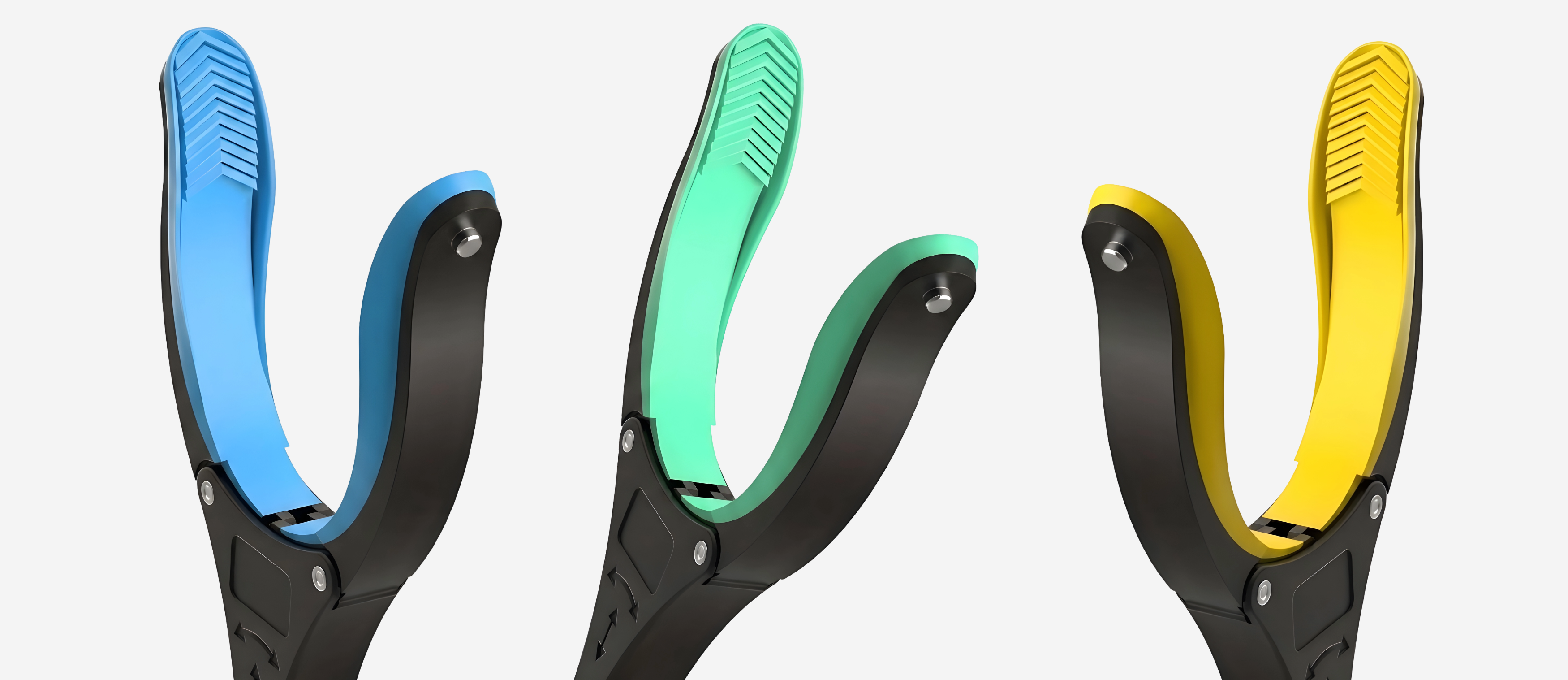
Direct answer: Polymyalgia rheumatica kitchen adaptive tools primarily address morning stiffness (delay high-demand kitchen tasks until PMR morning stiffness resolves mid-morning; reacher for limited shoulder elevation) and arm elevation (reacher for overhead kitchen reaching with bilateral PMR shoulder girdle pain). The GrabbersTool 32-inch Reacher is the primary PMR kitchen tool for overhead cabinet access when bilateral shoulder girdle stiffness limits arm elevation.
Polymyalgia Rheumatica Kitchen Adaptive Strategy
| PMR Feature | Kitchen Impact | Adaptive Solution |
|---|---|---|
| Morning shoulder and hip girdle stiffness | PMR stiffness is most severe in the morning (morning stiffness lasting over 45 minutes is a diagnostic criterion); patients report difficulty with shoulder elevation (reaching kitchen cabinets), lifting arms above shoulder level (kitchen overhead storage), and rising from kitchen chairs (hip girdle and pelvic stiffness); kitchen tasks during the PMR morning stiffness window (first 1-2 hours after waking) are most limited; by mid-morning as stiffness improves, kitchen function significantly improves; PMR morning stiffness is dramatically reduced after prednisone therapy begins but may still be present on days with dose reduction or missed doses | Timing PMR kitchen activities to avoid morning stiffness peak: delay demanding kitchen tasks (jar opening, cooking that requires sustained shoulder elevation) until mid-morning when PMR stiffness has resolved; hot shower before morning kitchen use to reduce PMR stiffness; reacher grabber (GrabbersTool) for morning kitchen use before PMR stiffness resolves -- eliminates overhead kitchen shoulder effort; kitchen reorganization to avoid overhead storage during active PMR (move frequently used items to accessible counter-height shelf) |
| Bilateral shoulder girdle involvement and arm elevation limitation | PMR bilateral shoulder girdle involvement (subacromial bursitis, bicipital tenosynovitis, glenohumeral synovitis) causes bilateral arm elevation pain -- the patient cannot lift either arm to reach overhead kitchen cabinets without pain; PMR is bilateral and symmetric, unlike frozen shoulder which is unilateral; the bilateral nature means no compensatory arm strategy is available; after prednisone, PMR shoulder pain resolves rapidly but arm elevation may remain limited during dose tapering or flares | Reacher grabber (GrabbersTool 32-inch) replaces overhead arm elevation for kitchen cabinet access during PMR shoulder girdle involvement; kitchen shelf reorganization to mid-range accessible heights for PMR; prednisone dose management per rheumatologist for PMR flares that cause renewed shoulder elevation restriction; PMR patients on long-term prednisone require bone protection (calcium, vitamin D, bisphosphonate) and blood glucose monitoring that intersect with kitchen dietary management |
| Long-term prednisone effects and GCA risk in PMR | PMR requires prolonged prednisone therapy; steroid side effects affecting kitchen function include: steroid myopathy (proximal weakness developing with long-term high-dose steroids, different from PMR stiffness), Cushingoid weight gain with truncal obesity affecting kitchen mobility, glucose intolerance requiring dietary modification in the kitchen, osteoporosis increasing fall fracture risk, and adrenal suppression requiring sick day rules; GCA risk in PMR patients requires vigilance for new headache, jaw claudication, or visual symptoms that could represent GCA conversion -- GCA is a rheumatologic emergency requiring immediate high-dose prednisone | Kitchen dietary management for PMR steroid effects: low glycemic index diet to address steroid-induced glucose intolerance; calcium-rich kitchen food preparation for steroid osteoporosis prevention; fall prevention kitchen measures for steroid osteoporosis fracture risk; monitoring for PMR to GCA transition (if PMR patient develops new severe headache, jaw claudication with eating, or visual symptoms -- immediate rheumatology or emergency evaluation is required, not a kitchen adaptive tool issue); rheumatologist for PMR monitoring and prednisone tapering guidance |
See the 32-inch Reacher for polymyalgia rheumatica morning stiffness kitchen overhead reach support.


