

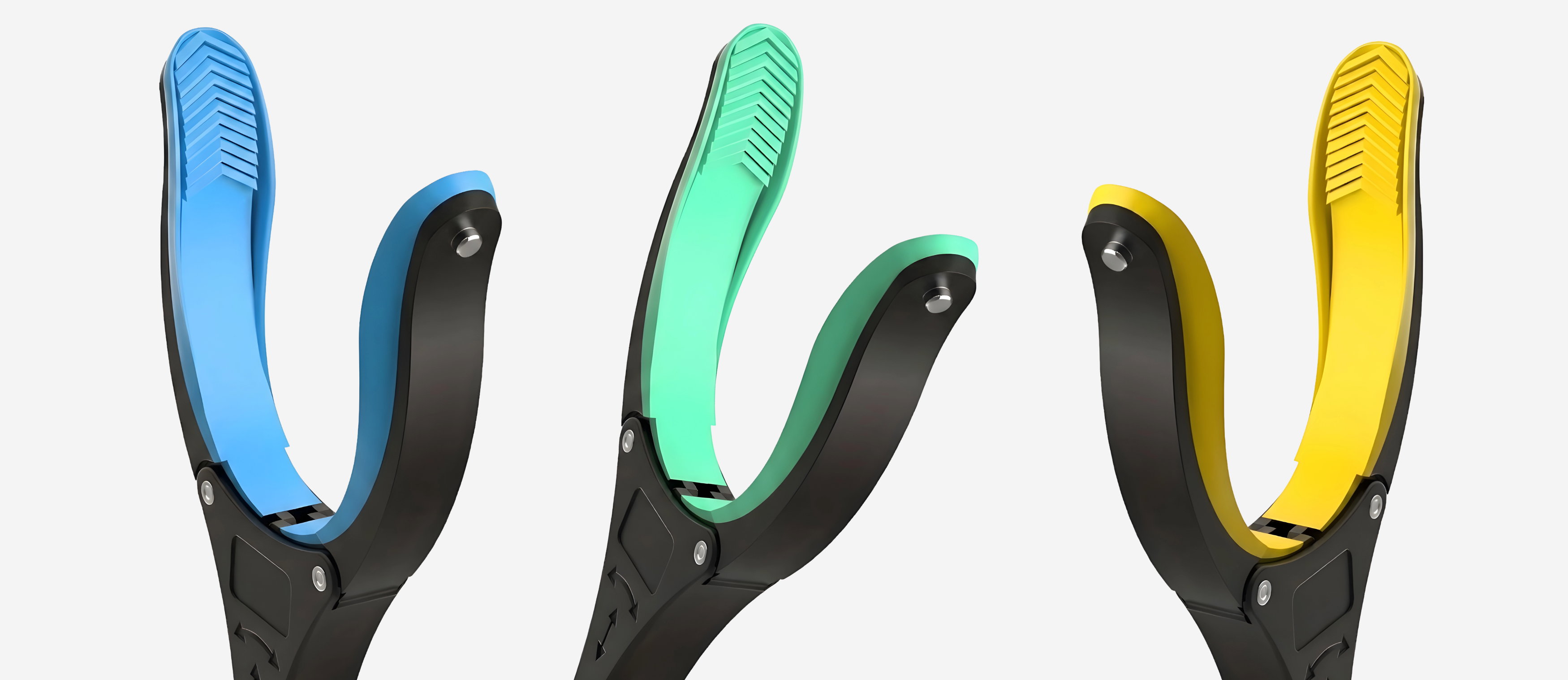
Muscle weakness -- reduced muscle strength -- is a common problem across a wide range of conditions, significantly affecting the ability to perform kitchen tasks that require strength. Muscle weakness results from many causes: neuromuscular diseases (muscular dystrophy, myasthenia gravis, ALS, spinal muscular atrophy, and others directly affecting the muscles or their nerve supply), neurological conditions (stroke, multiple sclerosis, neuropathy, spinal cord conditions, and others), inflammatory muscle diseases (dermatomyositis, polymyositis), muscle loss and deconditioning (sarcopenia, disuse, and illness-related weakness), metabolic and endocrine conditions (thyroid conditions, and others), medication effects (some medications cause weakness -- steroid myopathy), and many other causes. The weakness may be generalized or affect specific muscle groups (proximal weakness affecting the shoulder and hip girdle, distal weakness affecting the hands and feet, or specific patterns depending on the condition), and may be stable, progressive, or fluctuating depending on the cause. The reduced strength affects the ability to perform kitchen tasks requiring strength -- gripping and holding items, opening jars and containers, lifting and carrying, standing, rising from seated positions, and reaching (especially overhead, which requires shoulder strength). Kitchen function with muscle weakness is affected by the pattern and degree of the weakness -- hand and grip weakness affects hand tasks and jar opening, proximal shoulder weakness affects overhead reach and lifting, proximal hip and leg weakness affects standing and rising, and generalized weakness affects overall kitchen function. Adaptive tools that reduce the strength demands of kitchen tasks support function with muscle weakness. Alongside the adaptive tools, addressing the underlying cause (where possible -- some causes are treatable) and appropriate exercise (where appropriate to the condition) may help. This guide covers kitchen adaptation for muscle weakness from various causes.
Direct answer: Muscle weakness kitchen adaptive tools reduce the strength demands of kitchen tasks -- electric openers and appliances for grip and hand weakness, reachers and lightweight tools for proximal weakness affecting reach and lifting, and seating for leg weakness. The GrabbersTool Electric Jar Opener and 32-inch Reacher support kitchen function with muscle weakness by reducing the grip, lifting, and reaching strength demands.
Muscle Weakness Kitchen Adaptive Strategy
| Weakness Pattern | Kitchen Impact | Adaptive Solution |
|---|---|---|
| Hand and grip weakness | Hand and grip weakness (distal weakness affecting the hands, from neuromuscular diseases, neuropathy, and other causes) affects the ability to grip and hold kitchen items, open jars and containers (requiring grip and twisting force), use utensils, and perform hand tasks; the reduced grip affects the security of holding items and the ability to perform forceful hand tasks; jar opening is commonly difficult with grip weakness; fine hand tasks may be affected; the hand and grip weakness affect many kitchen hand tasks; the pattern and degree of hand weakness depend on the condition | Electric jar opener (GrabbersTool) to eliminate the grip and twisting force of jar opening that grip weakness cannot provide; electric appliances (food processor, electric can opener) to reduce the hand strength demands; large-handle and easy-grip tools to reduce the grip force needed; built-up handle utensils; lightweight kitchen tools; the adaptations compensate for the hand and grip weakness; adaptive equipment matched to the residual hand function; the tools reduce the hand strength demands of kitchen tasks |
| Proximal weakness affecting reach and lifting | Proximal weakness (affecting the shoulder and hip girdle, common in many neuromuscular and inflammatory muscle conditions) affects overhead reach and lifting (shoulder girdle weakness -- limiting arm elevation to reach overhead cabinets and lift items overhead), and standing and rising (hip girdle weakness -- affecting kitchen standing and sit-to-stand); the proximal shoulder weakness affects overhead kitchen reach and lifting; the proximal hip and leg weakness affects standing and rising from seated positions; the proximal weakness pattern affects these specific kitchen tasks; proximal weakness is a common pattern in muscle diseases | Reacher grabber (GrabbersTool 32-inch) for overhead and high kitchen reach when proximal shoulder weakness limits arm elevation (retrieving items without raising the arms); lightweight kitchen tools and cookware to reduce the lifting demand on the weak proximal muscles; kitchen reorganization to accessible heights (avoiding overhead reach); for proximal hip and leg weakness, kitchen seating with armrests for sit-to-stand (push up with the arms) and seated preparation to reduce standing; the adaptations compensate for the proximal weakness affecting reach, lifting, and standing |
| Generalized weakness, endurance, and muscle weakness support | Generalized muscle weakness (affecting overall strength) and any associated reduced endurance affect overall kitchen function -- the reduced overall strength affects gripping, lifting, carrying, standing, and reaching, and the reduced endurance limits kitchen activity; the combination affects the overall capacity for kitchen tasks; the underlying cause of the weakness may be addressable (some causes -- like thyroid conditions, vitamin deficiencies, and inflammatory conditions -- are treatable, with improvement in the weakness), and appropriate exercise (where appropriate to the condition -- some conditions benefit from exercise, while others -- like some neuromuscular conditions -- require caution) may help; the combination of adaptive tools and addressing the cause supports kitchen function | Comprehensive adaptive tools for generalized weakness (electric jar opener and appliances for grip and hand tasks; the reacher for reach; lightweight tools for lifting; kitchen seating for standing and rising; seated preparation); energy conservation for any associated reduced endurance; the adaptations reduce the overall strength and endurance demands; addressing the underlying cause of the weakness where possible (treatable causes -- per physician); appropriate exercise where appropriate to the condition (with caution for conditions where exercise requires care -- per physician and therapist); occupational therapy for muscle weakness kitchen assessment and adaptive equipment; the combination of adaptive tools, addressing the cause, and appropriate exercise supports kitchen function with muscle weakness |
See the Electric Jar Opener and 32-inch Reacher for muscle weakness kitchen support.


