

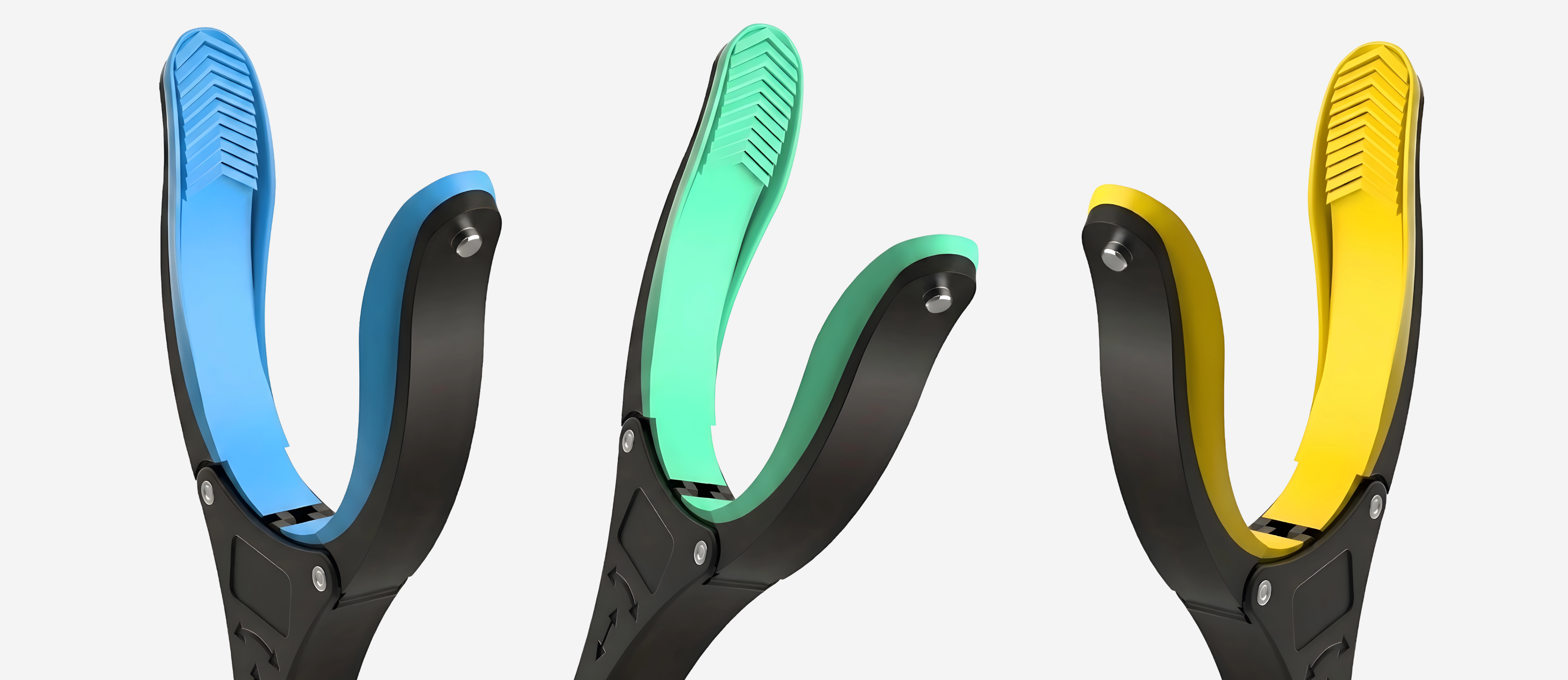
An occupational therapy (OT) kitchen assessment is a valuable evaluation performed by an occupational therapist to assess a person ability to safely and independently perform kitchen tasks, identify challenges and safety risks, and recommend adaptive equipment, techniques, and modifications to support kitchen independence. Occupational therapists are healthcare professionals who specialize in helping people perform the activities of daily living (including kitchen tasks and meal preparation -- an important instrumental activity of daily living) despite physical, cognitive, or other limitations, through adaptive equipment, technique training, environmental modification, and rehabilitation. A kitchen assessment is relevant for people with a wide range of conditions affecting kitchen function -- arthritis, neurological conditions (stroke, Parkinson disease, multiple sclerosis, and others), post-surgical recovery, injuries, age-related changes, cognitive conditions, and many others. The kitchen assessment may be performed in various settings -- in the person home (a home kitchen assessment, which evaluates the person actual kitchen environment -- particularly valuable), in a rehabilitation setting (a rehabilitation kitchen), or as part of a broader OT evaluation. The assessment evaluates the person functional abilities and challenges in the context of kitchen tasks, and results in individualized recommendations. This guide explains what an OT kitchen assessment involves, what it evaluates, and how it helps -- to help people understand the value of this assessment and consider whether it may be helpful for them or a loved one. An OT kitchen assessment can be requested through a physician referral or, in some settings, directly, depending on the healthcare system.
Direct answer: An occupational therapy kitchen assessment evaluates a person ability to safely perform kitchen tasks, identifies challenges and safety risks, and recommends individualized adaptive equipment, techniques, and modifications. It results in tailored recommendations -- often including adaptive tools like the GrabbersTool Reacher and Electric Jar Opener matched to the person specific needs -- to support kitchen independence and safety.
Occupational Therapy Kitchen Assessment Guide
| Assessment Element | What It Involves | How It Helps |
|---|---|---|
| Functional task observation | The occupational therapist observes the person performing kitchen tasks (or components of tasks) -- watching how they perform activities like reaching for and retrieving items, gripping and opening containers, using utensils and appliances, preparing food, standing and moving in the kitchen, and other kitchen tasks; the observation identifies the specific challenges the person experiences (what tasks are difficult, what movements and positions are problematic, and where safety risks arise); the functional observation reveals the actual challenges in performing kitchen tasks; this real-task observation is central to the assessment | The functional task observation identifies the person specific kitchen challenges and safety risks (revealing what is actually difficult and where problems arise) -- providing the basis for individualized recommendations; the observation reveals the specific tasks, movements, and positions that are challenging, allowing targeted solutions; the real-task observation ensures the recommendations address the person actual challenges |
| Assessing abilities, environment, and safety | The assessment evaluates the person functional abilities relevant to kitchen tasks (strength, range of motion, coordination, balance, endurance, cognition, vision, and other relevant abilities and limitations from their condition), the kitchen environment (the layout, storage, appliances, and any barriers or hazards -- particularly in a home kitchen assessment), and safety (identifying safety risks -- fall risks, burn and injury risks, and any cognitive safety concerns); the assessment considers the person condition and its effects; the abilities, environment, and safety evaluation provides a comprehensive picture | Assessing the abilities, environment, and safety provides a comprehensive understanding of the person kitchen function -- identifying the abilities and limitations, the environmental factors and barriers, and the safety risks; this comprehensive picture allows individualized recommendations addressing the person specific abilities, their kitchen environment, and the safety concerns; the safety assessment is particularly valuable (identifying and addressing risks); the comprehensive assessment ensures the recommendations fit the person and their environment |
| Recommendations, equipment, and training | Based on the assessment, the occupational therapist provides individualized recommendations -- adaptive equipment (recommending specific adaptive tools matched to the person needs -- reachers, electric jar openers, adaptive utensils, kitchen seating, and other equipment as appropriate), technique training (teaching adaptive techniques for performing kitchen tasks -- one-handed techniques, joint protection, energy conservation, and other techniques relevant to the person condition), environmental modifications (recommending kitchen organization and modifications to improve accessibility and safety), and safety measures; the OT may also provide training in using the equipment and techniques | The individualized recommendations provide tailored solutions to support the person kitchen independence and safety -- the adaptive equipment matched to their needs, the techniques for their condition, the environmental modifications for their kitchen, and the safety measures for their risks; the recommendations are tailored to the person specific situation (rather than generic); the equipment recommendations ensure the right tools for the person needs (for example, the appropriate reacher and adaptive tools); the technique training helps the person perform tasks effectively; the OT kitchen assessment provides comprehensive, individualized support for kitchen independence and safety; a physician referral can access an OT assessment |
See the Reacher Grabber and Electric Jar Opener -- adaptive tools commonly recommended in occupational therapy kitchen assessments.


