

The muscular dystrophies are a genetically diverse group of inherited muscle diseases causing progressive muscle fiber degeneration and weakness. Adults with muscular dystrophy manage a range of severity and progression depending on the specific type. Becker muscular dystrophy (BMD) is an X-linked dystrophinopathy (the milder allelic form of Duchenne MD) typically presenting in males in the teens to 20s with proximal lower limb weakness, often progressing to require walking aids or wheelchair mobility by the 30s to 50s, with cardiomyopathy as a major complication. Limb-girdle muscular dystrophies (LGMD) are a genetically heterogeneous group causing proximal limb weakness (shoulder girdle and pelvic girdle) with variable severity and age of onset. Facioscapulohumeral muscular dystrophy (FSHD) is the third most common adult muscular dystrophy, causing weakness of the face, shoulder girdle (particularly periscapular muscles -- causing the classic scapular winging), and lower limb, with very asymmetric involvement. The kitchen function impact of each type reflects the specific weakness pattern.
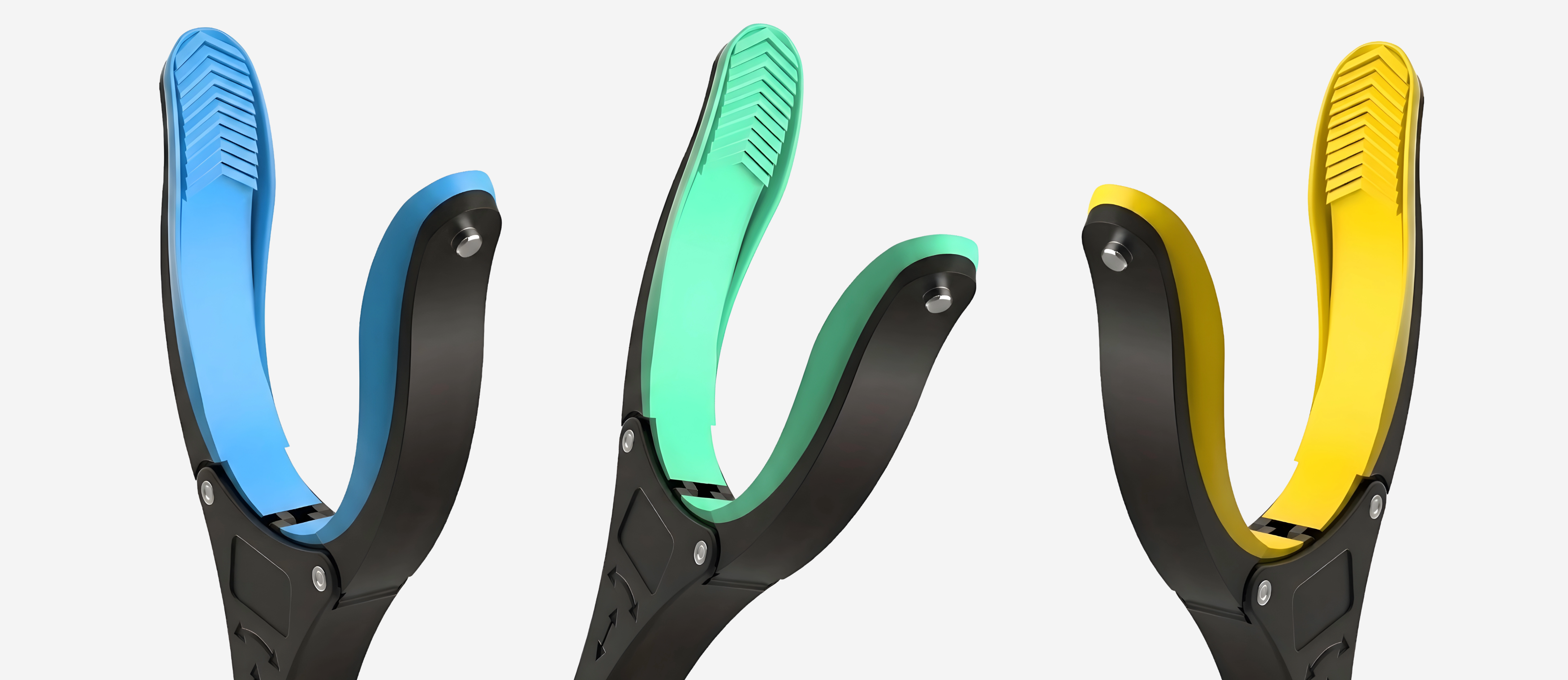
Direct answer: Muscular dystrophy adaptive kitchen tools are selected based on the specific weakness pattern of the type. BMD and LGMD primarily affect proximal lower and upper limb muscles: seated cooking addresses leg weakness, and lightweight cookware addresses proximal arm weakness. FSHD primarily affects shoulder girdle strength: items cannot be lifted to shoulder height, and overhead tasks are impossible. For all types, the electric jar opener addresses the grip and arm effort that all muscular dystrophies eventually reduce. The GrabbersTool Electric Jar Opener and 43-inch Reacher (for wheelchair users) are the core tools.
Muscular Dystrophy Type and Kitchen Weakness Pattern
| MD Type | Primary Weakness Pattern | Kitchen Adaptive Priority |
|---|---|---|
| Becker MD (BMD) | Proximal lower limb first; pelvic girdle; calf hypertrophy; later proximal arm; cardiomyopathy limits exertion; ambulatory long-term but walking aid may be needed | Seated cooking as leg weakness progresses; electric jar opener for arm strength reduction; 43-inch reacher when wheelchair adopted; cardiac energy conservation if cardiomyopathy present |
| Limb-girdle MD (LGMD) | Variable by genetic type; most affect shoulder and pelvic girdle; proximal arms and legs; variable rate of progression | Electric jar opener for shoulder girdle arm weakness; seated cooking for pelvic girdle leg weakness; reacher for floor retrieval; all items stored between knee and chest height |
| FSHD | Face, periscapular muscles (winging), and lower leg; unable to lift arms to shoulder height due to scapular weakness; asymmetric; face weakness less kitchen-relevant; lower leg weakness affects walking endurance | All items stored below shoulder height; no overhead reaching; electric jar opener for arm fatigue; standing limited by lower leg weakness; reacher for overhead reach compensation |
Browse the reacher collection and Electric Jar Opener for muscular dystrophy kitchen independence support.


