

Polymyositis (PM) and dermatomyositis (DM) are idiopathic inflammatory myopathies -- autoimmune diseases causing inflammation and weakness of skeletal muscle. Dermatomyositis adds characteristic skin manifestations including Gottron papules over the knuckles and a heliotrope rash around the eyes. Both conditions cause proximal muscle weakness (shoulder and hip girdle muscles affected more than distal muscles), meaning that lifting the arms and rising from a chair are affected before grip and fine motor tasks. Dysphagia occurs in approximately 30-40% of PM/DM patients due to pharyngeal and esophageal muscle inflammation. Interstitial lung disease (ILD) can complicate DM especially with anti-MDA5 and anti-Jo1 antibodies, reducing exercise tolerance. Treatment with corticosteroids and immunosuppressives (methotrexate, azathioprine, rituximab, IVIG) can cause significant side effects including steroid myopathy (paradoxical muscle weakness from long-term steroids), Cushingoid features, and infection risk.
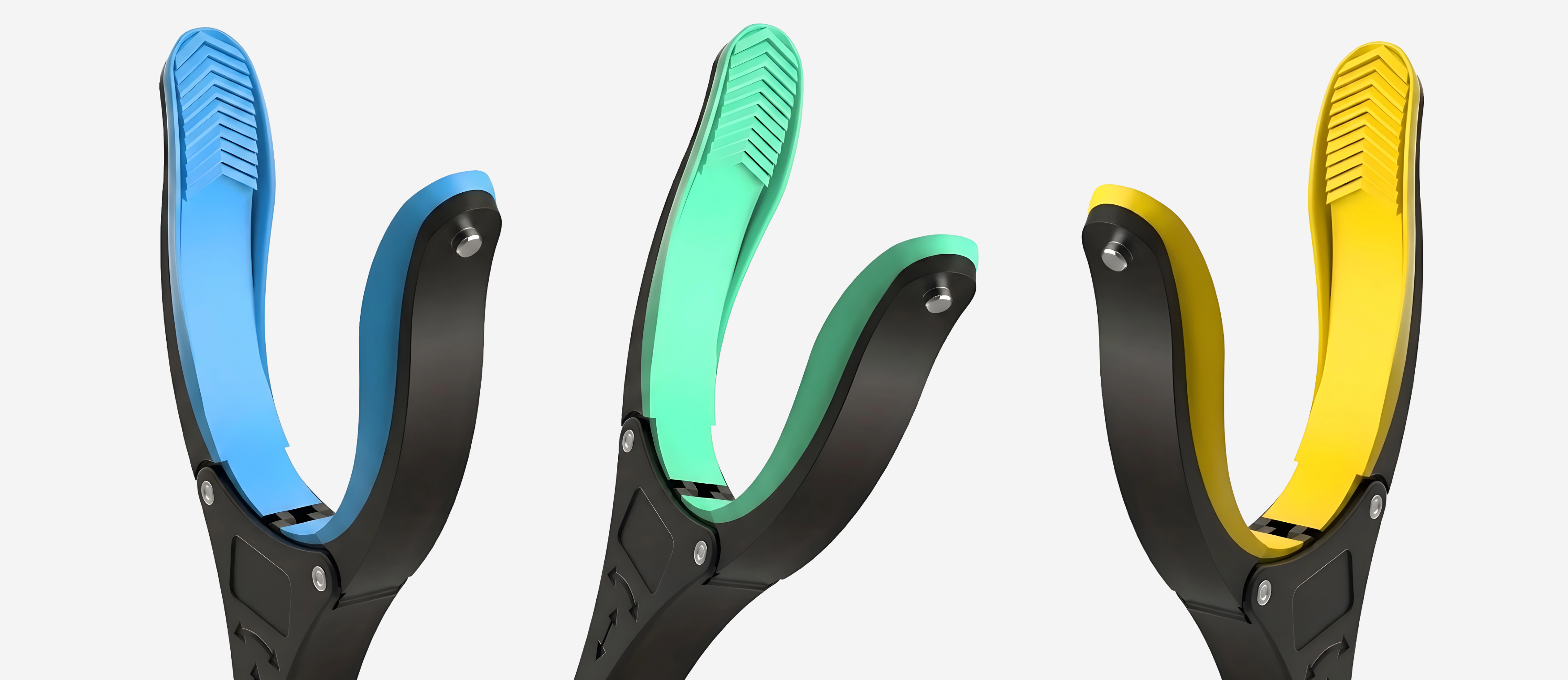
Direct answer: PM and DM adaptive kitchen tools address the proximal muscle weakness pattern: difficulty lifting the arms to shoulder height (reaching overhead), rising from a seated cooking position, and carrying heavy items. Distal grip and fine motor function are relatively preserved early in PM and DM, which distinguishes these conditions from rheumatoid arthritis where distal hand involvement is primary. The electric jar opener addresses the arm effort and sustained upper limb work that proximal weakness limits. The reacher compensates for shoulder girdle weakness limiting overhead reach. The GrabbersTool Electric Jar Opener and 32-inch Reacher are the core tools.
PM and DM Weakness Pattern and Adaptive Kitchen Tool Strategy
| Clinical Feature | Kitchen Impact | Adaptive Tool Strategy |
|---|---|---|
| Proximal shoulder girdle weakness | Cannot lift arms to shoulder height or above; overhead cupboard access impossible; carrying heavy pots with arms extended difficult | All items stored below shoulder height; reacher for overhead access; lightweight cookware; no overhead lifting |
| Proximal hip girdle weakness | Difficulty rising from low chairs or the floor; prolonged standing tiring; sitting down to cooking chair risky if too low | High seating for cooking (counter height perch rather than low chair); reacher to avoid needing to get up for floor retrieval; grab bar near cooking seat for stand assistance |
| Dysphagia (pharyngeal involvement) | Swallowing difficulty; aspiration risk with thin liquids; food must be soft and appropriately textured | Texture-modified diet preparation; SLP evaluation and IDDSI level guidance; electric jar opener for soft food ingredients; avoid hard or chewy textures |
| Steroid myopathy (treatment side effect) | Paradoxical proximal weakness from long-term corticosteroids; compounds disease-related weakness; distinct from disease activity | Same proximal weakness adaptive strategy; discuss steroid taper or alternative immunosuppression with rheumatologist; exercise program per physiatrist to minimize steroid myopathy |
See the adaptive kitchen collection and the Electric Jar Opener for polymyositis and dermatomyositis kitchen support.


