

Pelvic fractures range from low-energy stable fractures (pubic rami fractures in elderly osteoporotic patients from a simple fall -- the most common pelvic fracture in older adults) to high-energy pelvic ring disruptions from motor vehicle accidents or falls from height. Classification: stable pelvic fractures (Tile type A -- pubic rami fractures, iliac wing fractures) requiring conservative management; rotationally unstable fractures (Tile type B -- open book injury from anterior force disrupting the anterior pelvic ring and anterior sacroiliac ligaments); and vertically unstable fractures (Tile type C -- complete pelvic ring disruption with posterior sacroiliac ligament injury). High-energy pelvic ring disruptions are life-threatening injuries with massive hemorrhage requiring damage control resuscitation, angiographic embolization, and pelvic packing before definitive fixation. Surgical fixation (ORIF): anterior pelvic ring fixation (symphysis pubis plating or external fixation); posterior pelvic ring fixation (iliosacral screws, posterior tension band plate, or spinopelvic fixation). Post-pelvic-fracture recovery is prolonged: high-energy pelvic ring injuries require NWB 8-12 weeks and total functional recovery 6-12 months. Older adults with low-energy pubic rami fractures may be mobilized more quickly but with significant pain. Kitchen function is substantially affected by: prolonged NWB restriction; pelvic and hip pain with sitting to standing kitchen transitions; and prolonged limited mobility during recovery.
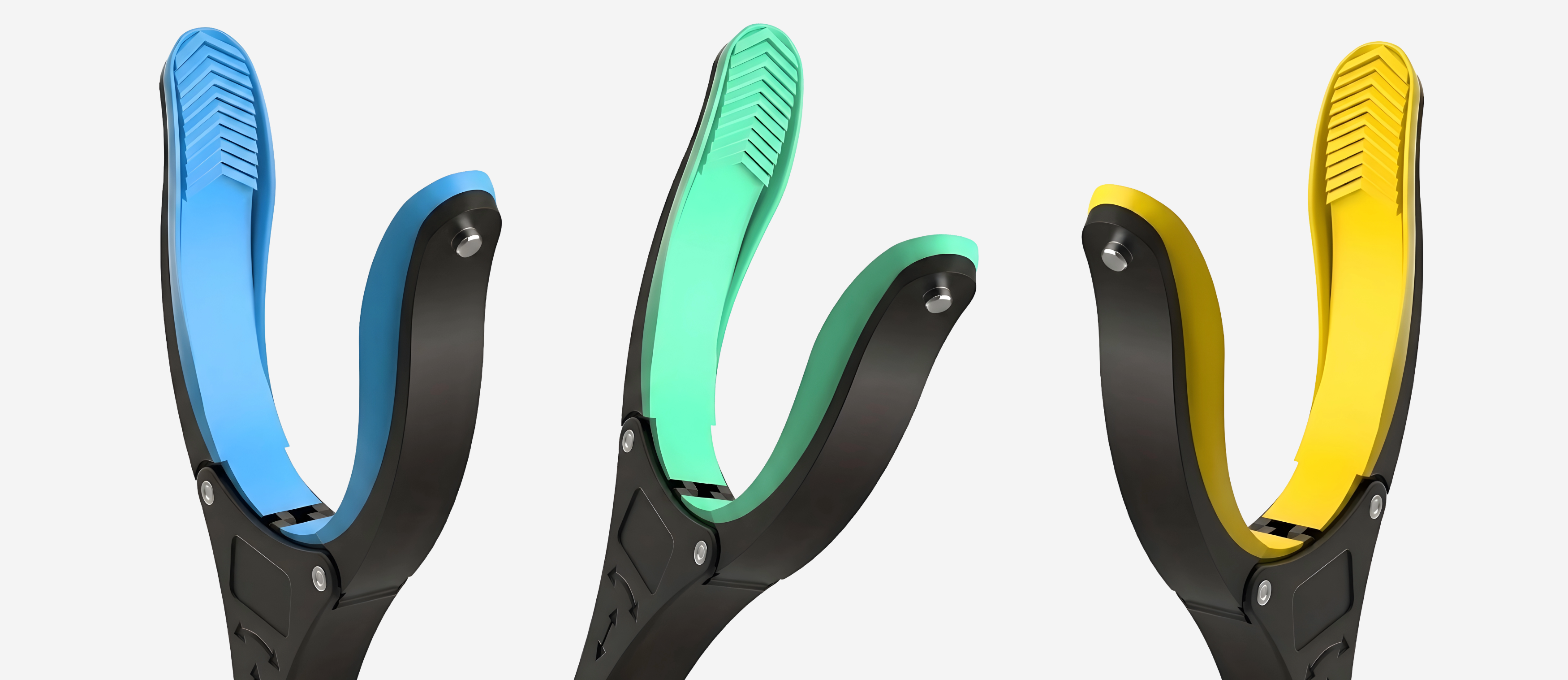
Direct answer: Pelvic fracture surgery kitchen recovery tools address prolonged non-weight-bearing or limited mobility (kitchen wheelchair access; seated preparation), and hip-level bending avoidance. The GrabbersTool 32-inch Reacher is the primary pelvic fracture recovery kitchen tool -- enabling kitchen item retrieval throughout the prolonged NWB recovery without bending or hip mobility demand.
Pelvic Fracture Kitchen Recovery Strategy
| Pelvic Fracture Type | Kitchen Restriction | Adaptive Solution |
|---|---|---|
| Low-energy pubic rami fracture in older adults: pain-limited kitchen function | Pubic rami fractures from low-energy falls in older adults are the most common kitchen-relevant pelvic fracture; treatment is typically conservative (non-surgical for stable pubic rami fractures); pain from pubic rami fracture limits: sitting to standing transitions from kitchen chairs (pubic rami fracture pain peaks with hip flexor contraction during rising); kitchen standing tolerance; kitchen bending; and walking to and within the kitchen; pubic rami fracture pain resolves over 6-8 weeks as the fracture heals; the underlying osteoporosis that caused the low-energy pelvic fracture requires treatment to prevent recurrent pelvic fracture | Reacher grabber (GrabbersTool) during pubic rami fracture recovery to avoid bending for kitchen items; kitchen chair with armrests for pubic rami fracture sit-to-stand assistance; caregiver kitchen assistance during the acute 2-4 week high-pain pubic rami fracture phase; progressive kitchen activity return as pain resolves over 6-8 weeks; osteoporosis treatment (bisphosphonate, denosumab) per physician to prevent recurrent pelvic fracture; fall prevention for osteoporotic older adults to prevent another pelvic fracture kitchen fall |
| High-energy pelvic ring fracture with ORIF: prolonged NWB kitchen recovery | High-energy pelvic ring fractures (Tile B and C) repaired with ORIF require 8-12 weeks of NWB or limited weight-bearing; kitchen access during this prolonged NWB phase requires wheelchair or rolling walker; kitchen tasks are severely limited: kitchen standing is impossible; all kitchen use from wheelchair; wheelchair-accessible kitchen counter height is typically 32 inches (lower than standard 36 inches); reaching kitchen cabinets, stovetop use, and kitchen sink access are all impaired from wheelchair; prolonged recovery fatigue, post-traumatic stress, and often associated injuries (pelvic fractures from MVA often have associated abdominal, thoracic, or extremity injuries) further limit kitchen function | Reacher grabber (GrabbersTool 32-inch) for kitchen overhead reach from wheelchair during high-energy pelvic fracture NWB recovery; wheelchair-accessible kitchen organization if home kitchen modifications are possible; caregiver or home health aide kitchen assistance for 8-12 week NWB period; meal delivery service during the most acute pelvic fracture recovery phase; slow cooker for simple kitchen cooking with minimal kitchen standing time; gradual kitchen activity return as weight-bearing resumes per orthopedic surgeon |
| Long-term kitchen function after pelvic fracture and malunion complications | High-energy pelvic ring fractures can result in pelvic malunion (imperfect reduction) or sacroiliac joint arthritis as long-term complications; sacroiliac joint arthritis from pelvic ring injury causes low back and posterior pelvic pain with prolonged kitchen standing and walking; leg length discrepancy from vertical shear pelvic fractures causes gait abnormality and kitchen biomechanical asymmetry; peripheral nerve injury (sciatic, femoral, or obturator nerve injury associated with pelvic fractures) may cause persistent lower extremity weakness or sensory loss affecting kitchen gait and safety | Reacher grabber for long-term kitchen bending avoidance with sacroiliac joint arthritis pain from pelvic ring malunion; anti-fatigue kitchen mat for sacroiliac joint pain during prolonged kitchen standing; SI joint injection or radiofrequency ablation for refractory SI joint arthritis from pelvic fracture malunion; shoe lift for pelvic fracture leg length discrepancy; physical therapy for pelvic fracture rehabilitation and kitchen functional recovery; orthopedic spine or pelvis specialist for pelvic malunion complications |
See the 32-inch Reacher for pelvic fracture kitchen recovery non-weight-bearing and bending restriction support.


