

Chronic pain management at home is partially a pharmacological and therapeutic endeavor -- and partially an environmental and behavioral one. Every unnecessary movement that provokes pain consumes pain-coping resources and contributes to sensitization over time. Bending to retrieve a dropped item when a reacher was available, gripping a jar lid forcefully when an electric opener was in the cabinet, rising from a low chair without arm support when a standing assist was at hand -- these are not failures of willpower. They are failures of environmental setup. The adaptive tools exist; the home was not set up to make their use frictionless.
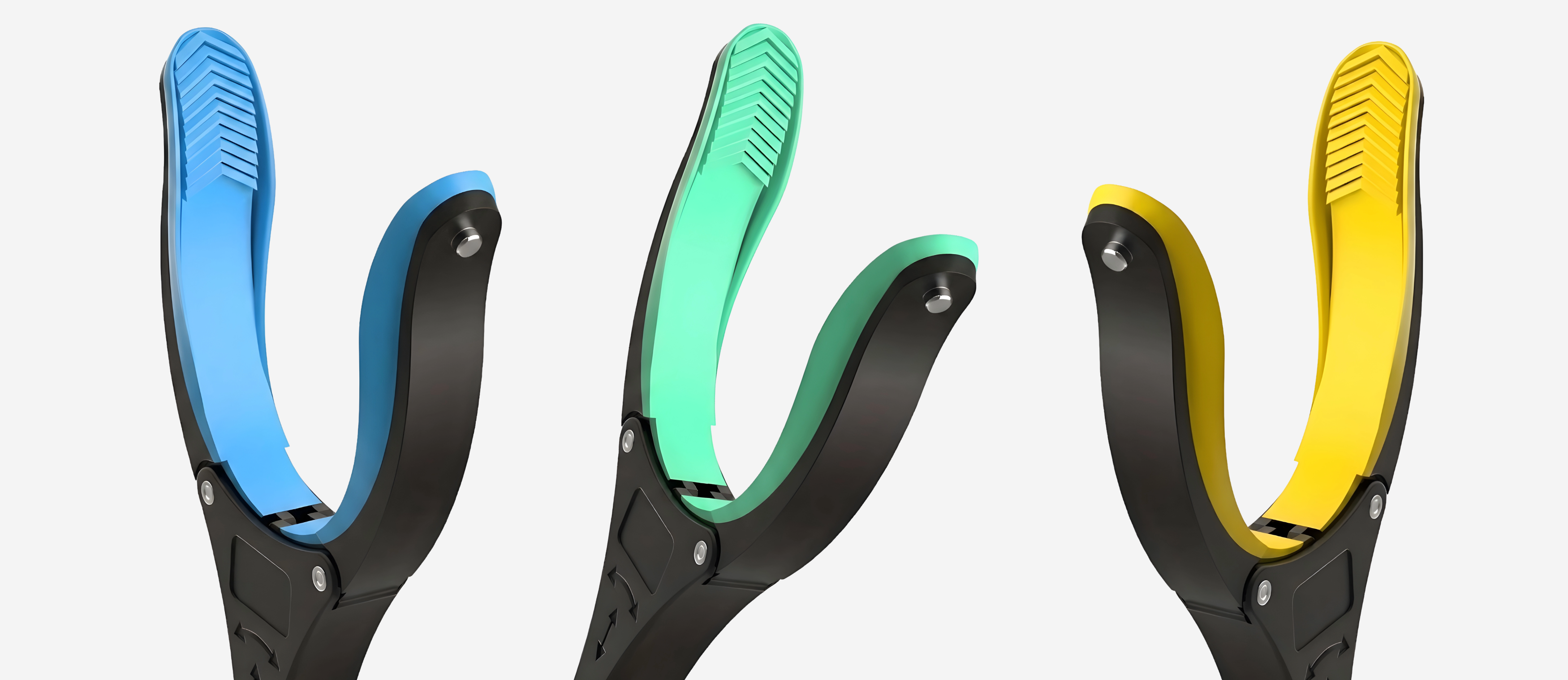
Direct answer: for chronic pain conditions across all diagnoses, the shared adaptive principle is pain economy: eliminate pain-triggering movements that have lower-cost alternatives. The GrabbersTool Reacher Grabber eliminates bending movements that provoke lumbar, hip, and knee pain. The Standing Assist Tool reduces the pain load of chair-to-stand transfers. The Electric Jar Opener eliminates the wrist and finger pain of jar opening. Each eliminated pain event preserves coping resources for unavoidable pain exposures.
Pain Economy: The Core Concept
Pain researchers and occupational therapists use the concept of pain economy -- the idea that the total pain burden of a day is composed of unavoidable pain (from the condition itself, from necessary activities) and avoidable pain (from movements and tasks that have lower-pain alternatives). Adaptive tools address avoidable pain. By systematically eliminating the avoidable component, the total daily pain load is reduced and coping resources are preserved for what cannot be avoided. This is not a complete pain management strategy -- it is the environmental component of a multi-modal chronic pain management approach.
Pain-Triggering Movements and Their Adaptive Alternatives
| Pain-Triggering Movement | Common Pain Diagnoses | Adaptive Tool Alternative |
|---|---|---|
| Trunk flexion (bending forward) | Lumbar disc disease, vertebral compression fracture, spondylitis | 43 inch Reacher Grabber -- eliminates floor bending |
| Rising from seated position | Knee OA, hip OA, fibromyalgia, chronic hip pain | Standing Assist Tool -- arm-assisted transfer |
| High-force wrist/finger grip | Rheumatoid arthritis, carpal tunnel, trigger finger, gout | Electric Jar Opener, Electric Can Opener |
| Overhead arm elevation | Rotator cuff disease, shoulder impingement, thoracic outlet, cervical radiculopathy | 43 inch Reacher for high-shelf access |
| Walking without support | Lower limb joint pain, neuropathic pain, balance-affecting pain | Walking Cane with Cane Strap |
Full specifications for each tool are on the product pages. View Standing Assist Tool specifications
The Setup Problem: Tools That Are Not at Hand
GrabbersTool hears a consistent pattern from customers managing chronic pain: the adaptive tool was purchased, used occasionally, and eventually stored -- because the friction of locating and retrieving the tool felt comparable to the friction of just doing the task without it. This is a setup failure, not a tool failure. Adaptive tools for chronic pain management must be permanently positioned at the points of use: the reacher hanging in the kitchen and bedroom, the standing assist beside the chair, the electric opener on the counter. Tools that are stored are tools that will not be used during a pain flare, when they are most needed.
Pain Flare Planning
Chronic pain flares are predictable in the sense that they will occur, even when their timing is not predictable. Flare-day adaptive tool use should be planned for before the flare -- not improvised during it. The practical preparation: ensure that during a flare day, the adaptive tools make kitchen and household independence possible without requiring movements that the flare makes prohibitive. If the electric opener is on the counter and the reacher is in the kitchen, flare-day independence is structurally supported. If those tools are in a drawer, it is not.
Chronic Pain and Sleep Disruption
Chronic pain is strongly associated with sleep disruption -- and sleep disruption worsens pain sensitivity, creating a bidirectional cycle. Nighttime mobility (bathroom trips, position adjustments) that provokes pain contributes to this cycle. The Standing Assist Tool at bedside and the Walking Cane with strap available for nighttime trips reduce the pain provocation of nighttime movements -- a contribution to the sleep-pain cycle management that is easy to implement.
See also: Fibromyalgia and Kitchen Tools: Managing Fatigue Without Sacrificing Independence and Sciatica and Adaptive Tools: Managing Sitting Pain and Daily Living.
Browse Reacher Grabber Tools, Ergonomic Mobility, and Easy Grip Kitchen Openers.


